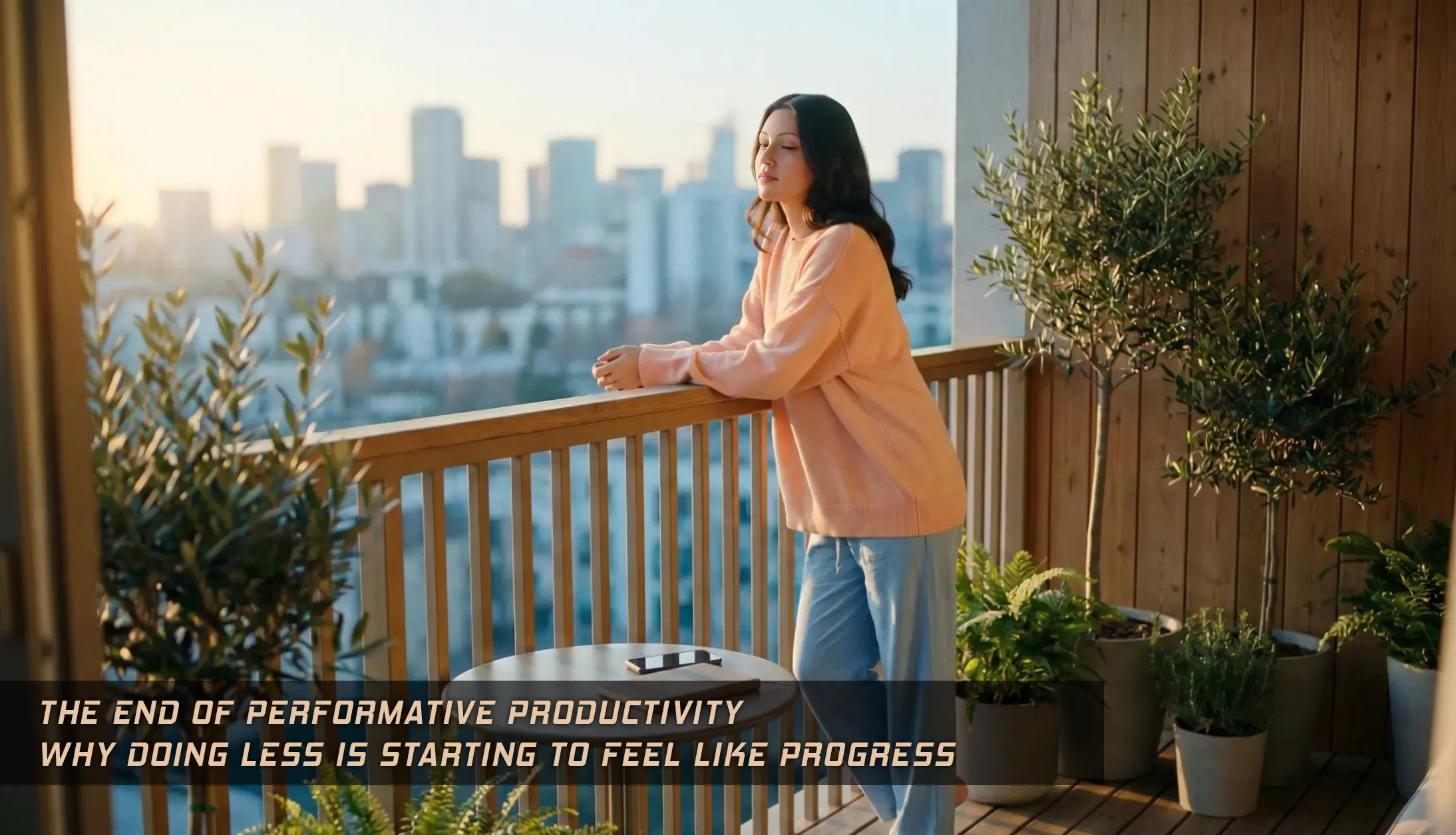
For years, productivity was something to be displayed. Now, many people are quietly opting out of the performance.
When Being Busy Became the Point
There was a time when productivity meant output. Work completed. Value created. Results delivered.
Somewhere along the way, it became something else entirely.
Busyness turned visible. Calendars became public. To-do lists were shared. Work spilled into identity. Productivity wasn’t just about what you did — it was about being seen doing it.
This was performative productivity: the constant signaling of effort, availability, and momentum.
And it’s losing its grip.
The Fatigue Behind the Performance
The shift isn’t sudden. It’s emotional.
People are tired of optimizing every hour, tracking every habit, and framing rest as something that must be justified. The pressure to appear productive — even when no meaningful work is happening — has become quietly exhausting.
You can see the pushback in small but telling ways:
- Turning off “online” indicators
- Shorter workdays without explanation
- Fewer productivity tools, not more
- A growing discomfort with hustle language
The performance no longer feels worth the energy it consumes.
Productivity Without an Audience
What’s emerging in its place isn’t laziness or disengagement. It’s privacy.
More people are choosing to work in ways that are less visible but more effective. Fewer check-ins. Less real-time reporting. More trust in outcomes over optics.
This kind of productivity doesn’t translate well to dashboards or social feeds — and that’s exactly why it works.
When no one is watching, work changes. It becomes quieter. Deeper. Less fragmented.
The Redefinition of “Enough”
Performative productivity thrived on excess: more hours, more goals, more ambition layered on top of itself.
Now, a different question is surfacing: What is enough?
Enough work for the day. Enough progress for the week. Enough ambition for this season of life.
This reframing isn’t about lowering standards. It’s about aligning effort with reality rather than expectation.
Rest Without Justification
Perhaps the clearest sign that performative productivity is fading is the changing relationship with rest.
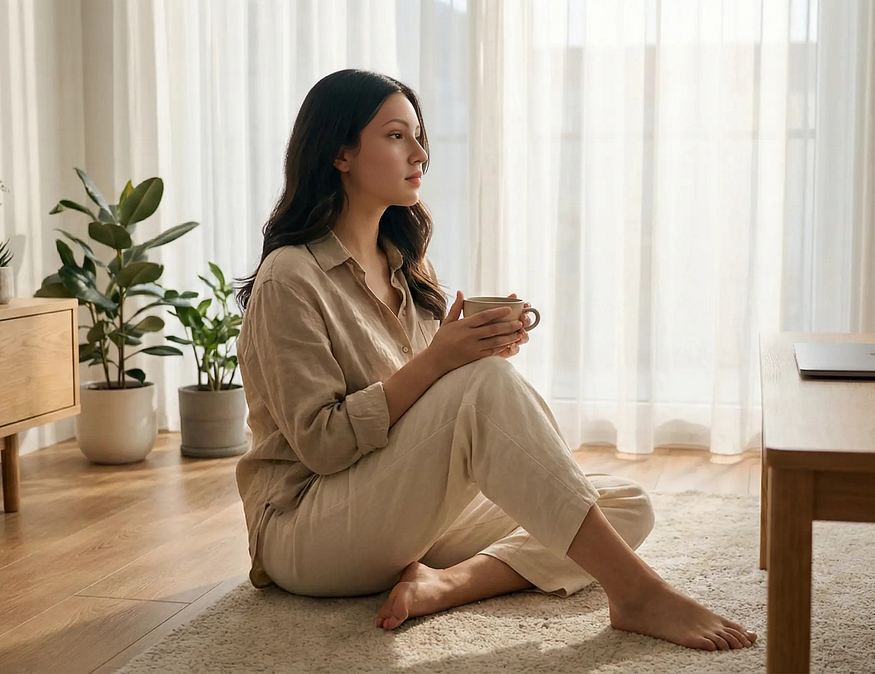
Rest is no longer being framed solely as recovery for more work. It’s becoming a standalone value. Something that doesn’t need to be earned, optimized, or explained.
Silence. Gaps in the schedule. Untracked time. These used to feel unproductive. Now, they feel necessary.
What Comes After the Performance
The end of performative productivity doesn’t mean the end of ambition.
It means ambition is becoming quieter.
More internal. More selective. Less interested in applause. People are choosing work that fits into life rather than consumes it — even if it means fewer visible wins.
In a culture that once rewarded exhaustion, choosing sustainability becomes a subtle form of confidence.
The most meaningful work often happens offstage. And increasingly, that’s where people are choosing to stay.
🔗 Follow & Read More:
Medium: https://medium.com/@casiborg
X (Twitter): https://x.com/casiborg
📬 Stay updated: https://linktr.ee/casi.borg
📰 Subscribe to our newsletter for weekly crypto insights, AI analysis, and market intelligence
💭 When did being productive start feeling like a performance for you — and what would change if no one was watching?