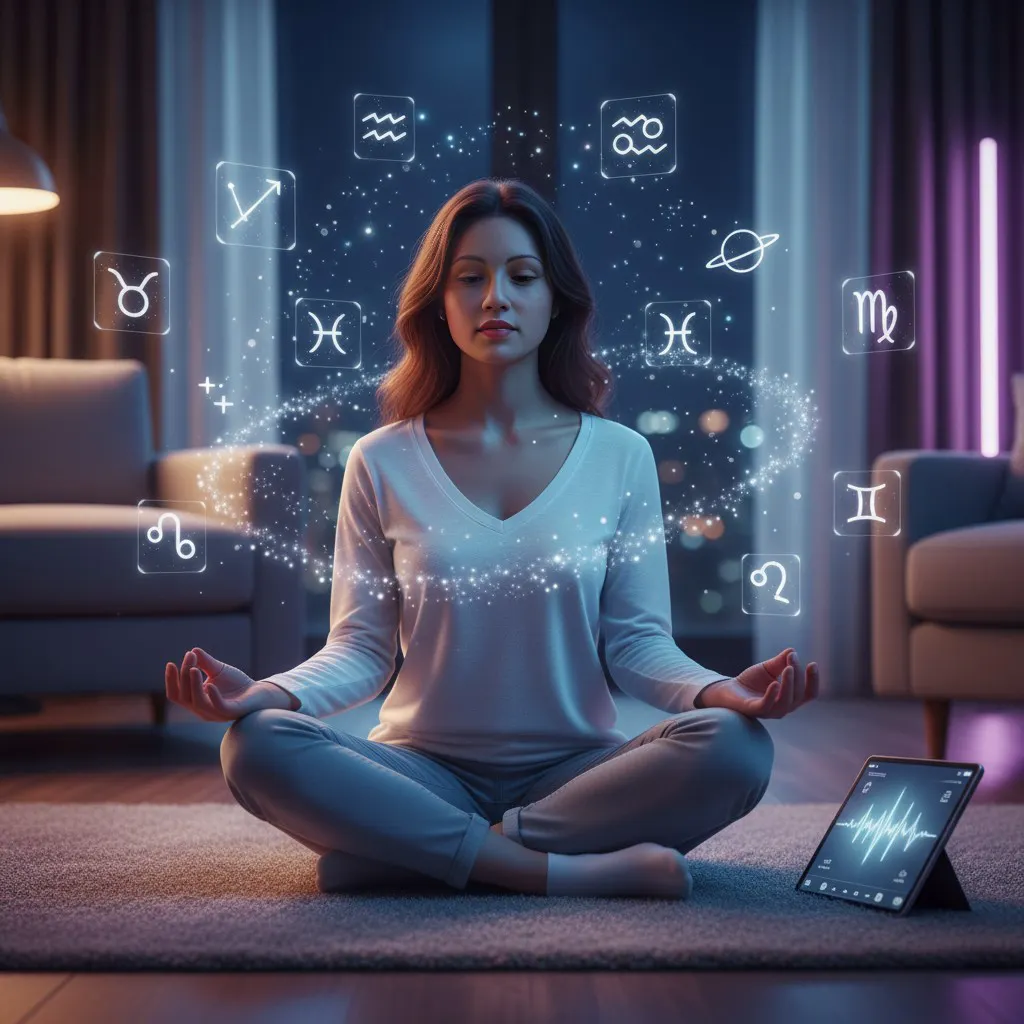
Tag: Mental Health Tech

  • Google’s $50 Million Investment in Mental Health AI

    Google’s $50 Million Investment in Mental Health AI

    Introduction to Google’s Mental Health AI Initiative

    Google has recently invested $50 million in mental health AI research, marking a significant step forward in the use of artificial intelligence to improve mental health outcomes. This investment is part of Google’s broader efforts to apply AI to some of humanity’s most pressing challenges.

    Background on Mental Health and AI

    Mental health is a critical issue that affects millions of people worldwide. According to the World Health Organization (WHO), approximately 1 in 4 people will experience a mental health disorder each year. The use of AI in mental health has the potential to revolutionize the way we approach diagnosis, treatment, and prevention.

    Google’s AI Initiatives in Mental Health

    Google has launched two global initiatives to explore how AI can enhance access to mental health care and support the development of new treatments for conditions such as anxiety, depression, and psychosis. The first initiative focuses on advancing research into mental health treatment, while the second initiative aims to improve access to mental health care through the use of AI-powered tools.

    Partnerships and Collaborations

    Google is collaborating with several organizations, including the Wellcome Trust, to support multi-year research projects that explore more precise, objective, and individualized assessments of anxiety, depression, and psychosis. These projects will also investigate new therapeutic approaches, including the development of novel medications.

    Implications and Future Directions

    The implications of Google’s investment in mental health AI are significant. By leveraging AI to improve mental health outcomes, we may see improved diagnosis, treatment, and prevention of mental health disorders. Additionally, the use of AI-powered tools may help to increase access to mental health care, particularly in underserved communities.

    Conclusion

    In conclusion, Google’s $50 million investment in mental health AI research is a significant step forward in the use of AI to improve mental health outcomes. As we move forward, it will be important to continue to explore the potential of AI in mental health and to address the challenges and limitations of this technology.

  • The Digital Detox Revolution

    The Digital Detox Revolution


    The Rise of Digital Detox

    In a world that never stops scrolling, a quiet rebellion is emerging. From “no-phone Sundays” to “offline weekends,” Gen Z is leading the charge toward digital detoxing — redefining what it means to be truly connected. According to a 2024 study from Pew, nearly half of American teens are online “almost constantly.” However, it seems they are taking matters into their own hands, with searches for a “digital detox vision board” trending up by 273%, and “digital detox ideas” also up by 72% (Source: Fast Company).

    What is a Digital Detox?

    The purpose of a digital detox is to allow ourselves time to experience real life without distractions. It’s a way to reconnect with individuals personally rather than through a screen and take time to de-stress and step away from all that connectedness (Source: Brown Health).

    The Benefits of Digital Detox

    A digital detox can have numerous benefits, including improved mental health, increased productivity, and better sleep. According to a study by NuVoodoo, 43% of total respondents say they have intentionally reduced screen time in the past six months, with Millennials and Gen Z being the most likely to make this effort (Source: NuVoodoo).

    Practical Takeaways

    So, how can you start your digital detox journey? Here are a few practical takeaways: set aside device-free time each day, plan offline activities, and consider a digital detox retreat. Remember, it’s all about finding a balance and being mindful of your screen time (Source: Apogee Behavioral Medicine).

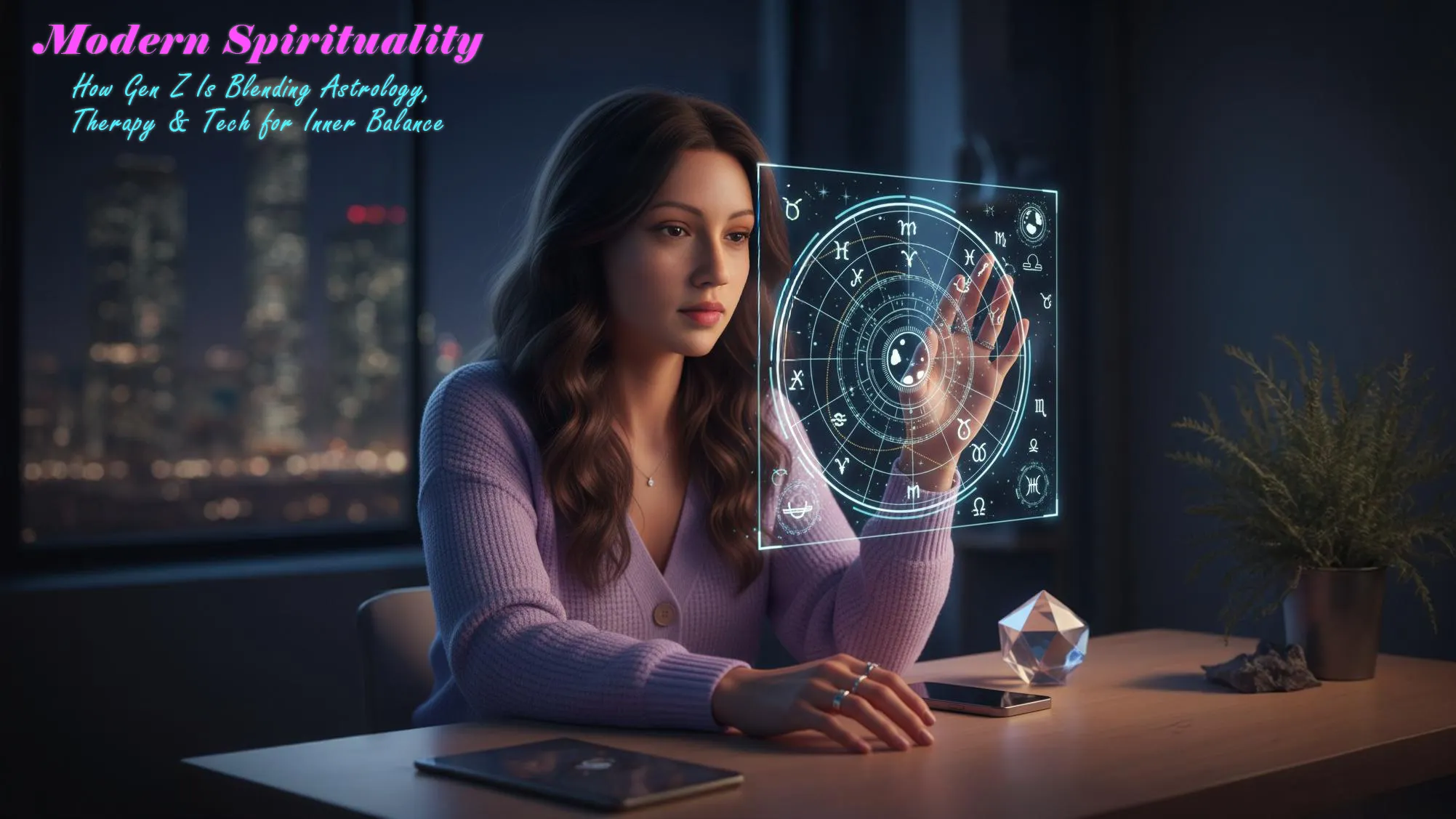
  • 🌙 Modern Spirituality: How Gen Z Is Blending Astrology, Therapy & Tech for Inner Balance

    🌙 Modern Spirituality: How Gen Z Is Blending Astrology, Therapy & Tech for Inner Balance

    In a world that never stops scrolling, Gen Z is turning inward — but in a very 2025 way.
    Forget the old dichotomy between religion and atheism; this generation is crafting its own belief system. From astrology apps like Co–Star to digital therapy on BetterHelp and mindfulness tools powered by AI, “Modern Spirituality” isn’t about worship — it’s about alignment.

    ✨ Why Modern Spirituality Is Trending

    Today’s young adults are redefining what it means to be “spiritual.” They’re not looking for dogma; they’re looking for connection — to themselves, the universe, and their mental health.

    Key drivers behind this cultural wave:

    • 🌌 Astrology as Self-Discovery: Apps and AI horoscopes are being used as emotional mirrors, not fortune tellers. Gen Z uses zodiac insights to understand behavior, compatibility, and self-growth.
    • 🧘 Mindfulness Meets Machine Learning: AI-based wellness assistants now analyze stress patterns through wearables and suggest custom meditation or breathing routines.
    • 💬 Therapy Becomes Spiritual: Online therapy platforms merge psychological healing with spiritual guidance — offering trauma-informed, intuitive coaching.
    • 🔮 Digital Rituals: Virtual full-moon ceremonies, tarot readings, and sound baths are trending across TikTok, bringing ancient rituals into digital spaces.

    💡 The Psychology Behind the Trend

    For a generation facing economic uncertainty, climate anxiety, and online burnout, spirituality provides an anchor. It’s less about believing in higher powers — and more about finding higher purpose.
    Gen Z seeks authenticity over perfection; connection over consumption. They use spiritual tools not as superstition, but as a way to stay centered in chaos.

    🚀 What’s Next?

    The future of spirituality lies in hybrid experiences — AI-powered meditation pods, astrology-based wellness retreats, and even VR temples for immersive healing.
    As Gen Z redefines what peace looks like, “Modern Spirituality” could become the next billion-dollar wellness industry — one mantra, one algorithm at a time.

    🌐 Connect with Casi Borg
    📸 Instagram: @casi_borg
    🦋 BlueSky: casi-borg.bsky.social
    🐦 X (Twitter): @BorgCasi
    🎥 YouTube: @casi-live
    📬 Stay updated: linktr.ee/casi.borg

Oh hi there 👋
It’s nice to meet you.

Sign up to receive awesome content in your inbox, every Day.

We don’t spam! Read our privacy policy for more info.