Tag: Mental Health

  • Google Settles Lawsuit Over Social Media Addiction

    Google Settles Lawsuit Over Social Media Addiction

    Introduction to Social Media Addiction

    Social media has become an integral part of our daily lives, with billions of people around the world using platforms like YouTube, Instagram, TikTok, and Snapchat. However, a growing concern has been raised about the impact of social media on mental health, particularly among young people. Recently, Google settled a lawsuit with a 15-year-old from Florida who claimed that the company’s YouTube platform had damaged his mental health due to its addictive design features.

    The Lawsuit and Settlement

    The lawsuit, which was filed by the teenager’s lawyers, alleged that YouTube’s design features, such as its infinite scroll and autoplay functionality, were deliberately created to be addictive and had led to the teenager’s mental health problems. The lawsuit also named other social media companies, including Meta’s Instagram, Snap’s Snapchat, and ByteDance’s TikTok, as defendants.

    According to Reuters, the terms of the settlement are confidential, but the lawsuit is part of a growing trend of litigation against social media companies over their impact on mental health. As Gizmodo notes, this is not the first time that social media companies have faced lawsuits over their design features, and it is likely that we will see more cases in the future.

    Impact on Social Media Companies

    The settlement of this lawsuit is a significant development for social media companies, as it highlights the potential risks and liabilities associated with their design features. As Fox Business reports, the lawsuit is one of many that have been filed against social media companies in recent years, and it is likely that we will see more cases in the future.

    Other Lawsuits and Trials

    In addition to the lawsuit settled by Google, there are several other lawsuits and trials pending against social media companies. For example, a lawsuit filed by a Kentucky school district against Meta, Snap, TikTok, and YouTube was settled for $27 million, according to Reuters. Another lawsuit filed by a woman in California resulted in a jury verdict of $6 million against Meta and YouTube, as reported by Gizmodo.

    Regulatory Environment

    The regulatory environment for social media companies is also changing, with several states and countries introducing new laws and regulations to govern their activities. For example, the Federal Appeals Court has ruled that Ohio can require parental consent for children under 16 to use social media, as reported by Fox Business.

    Conclusion and Takeaways

    In conclusion, the settlement of the lawsuit against Google is a significant development in the ongoing debate about the impact of social media on mental health. As social media companies continue to evolve and grow, it is essential that they prioritize the well-being of their users and take steps to mitigate the potential risks associated with their design features.

    Some key takeaways from this case include:

    • Social media companies must prioritize the well-being of their users and take steps to mitigate the potential risks associated with their design features.
    • The regulatory environment for social media companies is changing, with new laws and regulations being introduced to govern their activities.
    • There are potential risks and liabilities associated with social media design features, and companies must be aware of these risks and take steps to mitigate them.
  • YouTube Settles with Minor Over Mental Health Harms

    YouTube Settles with Minor Over Mental Health Harms


    Introduction to the Case

    Google’s YouTube has recently settled with a minor who claimed that the platform caused mental health harms. This settlement comes ahead of the second California state-court trial over allegations that the design of social media sites has fueled a mental health crisis among children. The plaintiff’s attorneys announced the settlement on Tuesday, marking a significant development in the ongoing debate about the impact of social media on children’s mental health.

    Background of the Issue

    The issue of social media’s impact on children’s mental health has been a topic of concern for several years. Studies have shown that excessive social media use can lead to increased symptoms of anxiety, depression, and other mental health issues in children. The design of social media platforms, including YouTube, has been criticized for prioritizing engagement and profits over the well-being of users.

    Key Statistics

    According to a report by the American Psychological Association, teenagers who spend more time on social media are more likely to experience mental health issues. The report found that 45% of teenagers aged 13-17 said they used social media almost constantly, and 54% of teenagers said they used social media for more than four hours a day.

    Implications of the Settlement

    The settlement between YouTube and the minor plaintiff has significant implications for the social media industry. It highlights the need for social media platforms to prioritize the mental health and well-being of their users, particularly children. The settlement also underscores the importance of parents and caregivers being aware of their children’s social media use and taking steps to ensure their online safety.

    Expert Insights

    Experts in the field of mental health and technology have welcomed the settlement, saying it marks a step in the right direction. Dr. Jean Twenge, a psychologist who has studied the impact of social media on mental health, said that the settlement highlights the need for social media platforms to be designed with the well-being of users in mind.

    Conclusion and Recommendations

    In conclusion, the settlement between YouTube and the minor plaintiff is a significant development in the ongoing debate about the impact of social media on children’s mental health. To mitigate the negative effects of social media on children’s mental health, parents and caregivers can take several steps. These include monitoring their children’s social media use, setting limits on screen time, and encouraging offline activities. Social media platforms can also take steps to promote healthy social media use, such as providing tools and resources to help users manage their online activity and promoting content that is positive and uplifting.

  • The End of Performative Productivity: Why Doing Less Is Starting to Feel Like Progress

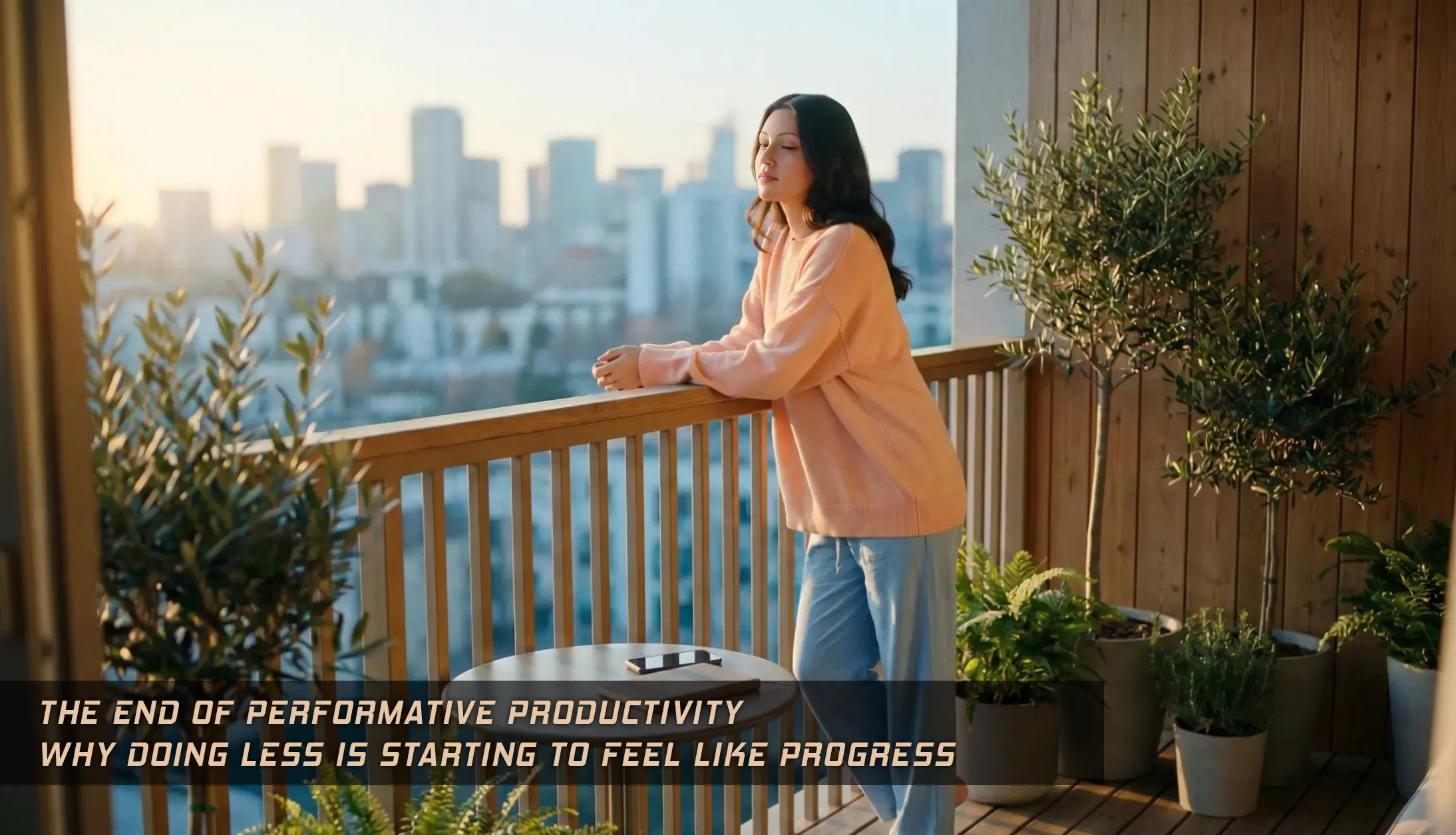
    The End of Performative Productivity: Why Doing Less Is Starting to Feel Like Progress

    For years, productivity was something to be displayed. Now, many people are quietly opting out of the performance.

    When Being Busy Became the Point

    There was a time when productivity meant output. Work completed. Value created. Results delivered.

    Somewhere along the way, it became something else entirely.

    Busyness turned visible. Calendars became public. To-do lists were shared. Work spilled into identity. Productivity wasn’t just about what you did — it was about being seen doing it.

    This was performative productivity: the constant signaling of effort, availability, and momentum.

    And it’s losing its grip.

    The Fatigue Behind the Performance

    The shift isn’t sudden. It’s emotional.

    People are tired of optimizing every hour, tracking every habit, and framing rest as something that must be justified. The pressure to appear productive — even when no meaningful work is happening — has become quietly exhausting.

    You can see the pushback in small but telling ways:

    • Turning off “online” indicators
    • Shorter workdays without explanation
    • Fewer productivity tools, not more
    • A growing discomfort with hustle language

    The performance no longer feels worth the energy it consumes.

    Productivity Without an Audience

    What’s emerging in its place isn’t laziness or disengagement. It’s privacy.

    More people are choosing to work in ways that are less visible but more effective. Fewer check-ins. Less real-time reporting. More trust in outcomes over optics.

    This kind of productivity doesn’t translate well to dashboards or social feeds — and that’s exactly why it works.

    When no one is watching, work changes. It becomes quieter. Deeper. Less fragmented.

    The Redefinition of “Enough”

    Performative productivity thrived on excess: more hours, more goals, more ambition layered on top of itself.

    Now, a different question is surfacing: What is enough?

    Enough work for the day. Enough progress for the week. Enough ambition for this season of life.

    This reframing isn’t about lowering standards. It’s about aligning effort with reality rather than expectation.

    Rest Without Justification

    Perhaps the clearest sign that performative productivity is fading is the changing relationship with rest.

    Rest is no longer being framed solely as recovery for more work. It’s becoming a standalone value. Something that doesn’t need to be earned, optimized, or explained.

    Silence. Gaps in the schedule. Untracked time. These used to feel unproductive. Now, they feel necessary.

    Used to measure my worth in how busy I looked. Now I measure it in how peaceful I feel.

    What Comes After the Performance

    The end of performative productivity doesn’t mean the end of ambition.

    It means ambition is becoming quieter.

    More internal. More selective. Less interested in applause. People are choosing work that fits into life rather than consumes it — even if it means fewer visible wins.

    In a culture that once rewarded exhaustion, choosing sustainability becomes a subtle form of confidence.

    The most meaningful work often happens offstage. And increasingly, that’s where people are choosing to stay.

    🔗 Follow & Read More:
    Medium: https://medium.com/@casiborg
    X (Twitter): https://x.com/casiborg
    📬 Stay updated: https://linktr.ee/casi.borg
    📰 Subscribe to our newsletter for weekly crypto insights, AI analysis, and market intelligence

    💭 When did being productive start feeling like a performance for you — and what would change if no one was watching?

Oh hi there 👋
It’s nice to meet you.

Sign up to receive awesome content in your inbox, every Day.

We don’t spam! Read our privacy policy for more info.