Tag: money laundering

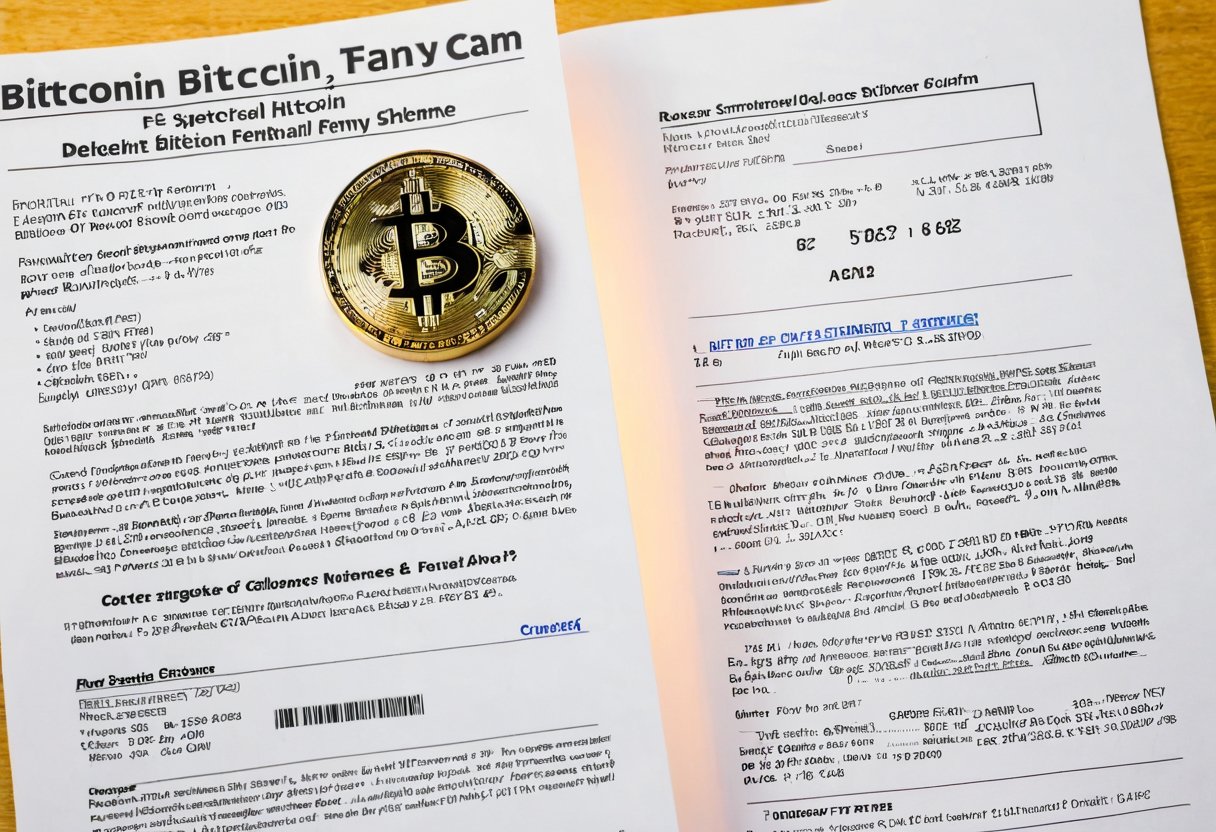
  • New Jersey Man Sentenced to 12 Years for Bitcoin Fentanyl Scheme

    New Jersey Man Sentenced to 12 Years for Bitcoin Fentanyl Scheme

    New Jersey Man Sentenced to 12 Years for Using Bitcoin to Pay Chinese Fentanyl Suppliers

    A recent case has highlighted the growing concern of cryptocurrency being used for illicit activities, particularly in the context of drug trafficking. William Panzera, a 53-year-old man from North Haledon, New Jersey, has been sentenced to 12 years in prison for his involvement in a large-scale fentanyl distribution operation that utilized Bitcoin for transactions.

    The Case Against Panzera

    According to the U.S. Department of Justice, Panzera was part of a drug trafficking organization that imported over a metric ton of fentanyl-related substances from China into the United States. The organization used both wire transfers and Bitcoin to pay Chinese suppliers, distributing the drugs throughout New Jersey in both bulk form and as counterfeit pharmaceutical pills.

    Panzera’s conviction and sentencing are the result of a six-year operation that began in 2014 and continued until 2020. During this time, he and his co-conspirators distributed hundreds of kilograms of fentanyl analogues, as well as other drugs like MDMA, methylone, and ketamine. The use of Bitcoin to facilitate these transactions made it challenging for authorities to track the financial flows, underscoring the complexities of regulating cryptocurrency in the context of illicit activities.

    Cryptocurrency and Illicit Activities

    The case of William Panzera and his associates brings to light the increasing issue of cryptocurrency being used for illegal purposes. The anonymous nature of cryptocurrency transactions can make them appealing to those involved in drug trafficking and other criminal activities. However, law enforcement agencies are becoming more adept at tracking these transactions, as evidenced by Panzera’s conviction.

    The cryptocurrency market, particularly Bitcoin, has been under scrutiny for its potential use in money laundering and financing illicit activities. While the majority of cryptocurrency transactions are legitimate, cases like Panzera’s highlight the need for continued vigilance and regulatory efforts to prevent the misuse of digital currencies.

    Conclusion and Implications

    The sentencing of William Panzera to 12 years in prison serves as a significant deterrent to those who would use cryptocurrency for illicit activities. It also underscores the importance of international cooperation in combating drug trafficking and money laundering. As cryptocurrency continues to play a larger role in global financial transactions, it is crucial that regulatory bodies and law enforcement agencies remain proactive in monitoring and preventing its use for illegal purposes.

    For individuals and businesses involved in cryptocurrency, it is essential to ensure that all transactions are conducted legally and transparently. This includes complying with anti-money laundering (AML) and know-your-customer (KYC) regulations, as well as reporting any suspicious activity to the appropriate authorities.

    Practical Takeaways

    1. Compliance is Key: Ensure that all cryptocurrency transactions comply with legal requirements and regulations.

    2. Transparency Matters: Maintain transparency in all transactions to avoid suspicion of illicit activities.

    3. Vigilance is Crucial: Be aware of the potential for cryptocurrency to be used in illegal activities and report any suspicious transactions.

  • Binance Founder’s Surprise Pardon by President Trump

    Binance Founder’s Surprise Pardon by President Trump

    Introduction to the Pardon

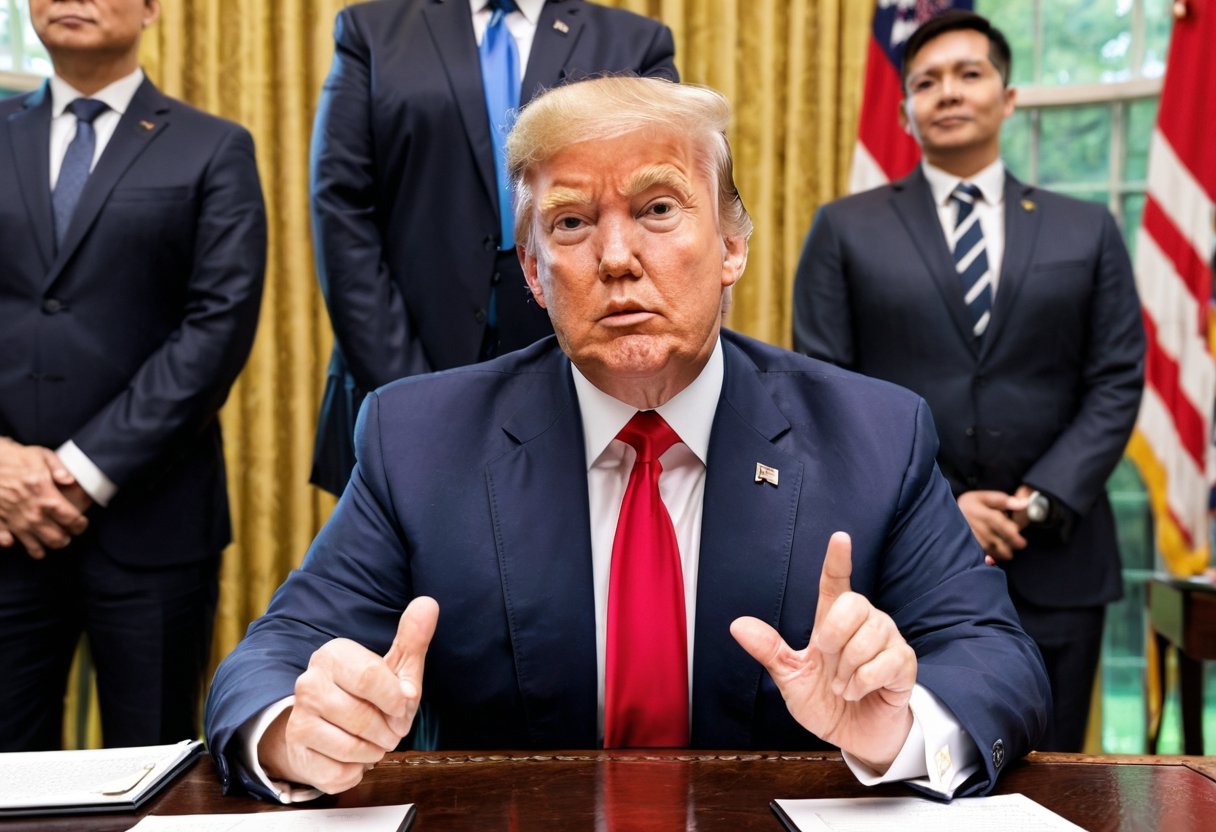
    The recent pardon of Changpeng Zhao, the founder of Binance, by President Donald Trump has sent shockwaves through the cryptocurrency community. Zhao, also known as CZ, pleaded guilty to violating US money laundering laws and was sentenced to four months in prison. However, in a surprising move, President Trump granted him a pardon, citing that he was a victim of political prosecution by the Biden administration.

    Trump’s Statement on the Pardon

    In an interview with CBS News, President Trump stated that he didn’t know who Zhao was, despite granting him a pardon. This statement has raised eyebrows, as it is unusual for a president to pardon someone they claim not to know. According to CBS News, Trump said, ‘I don’t know who he is. I know he got a four-month sentence or something like that. And I heard it was a Biden witch hunt.’

    Background on Binance and Zhao

    Binance is the world’s largest cryptocurrency exchange, and Zhao is its founder and former CEO. The company has been involved in several controversies, including a $4.3 billion fine for helping users bypass sanctions. Zhao stepped down as CEO in 2023 but remains a prominent figure in the cryptocurrency community.

    Implications of the Pardon

    The pardon has significant implications for the cryptocurrency industry and the Trump family’s business ventures. As reported by CNBC, the Trump family’s crypto venture has partnered with Binance, and the pardon could potentially benefit their business interests. Additionally, the pardon may set a precedent for future cases involving cryptocurrency executives and money laundering charges.

    Expert Insights

    Experts in the field are weighing in on the pardon and its potential consequences. Some argue that the pardon is a positive development for the cryptocurrency industry, as it demonstrates a willingness by the government to work with industry leaders. Others are more critical, citing concerns about the lack of transparency and potential conflicts of interest.

    Conclusion

    In conclusion, the pardon of Changpeng Zhao by President Trump is a complex and multifaceted issue. While the pardon may have positive implications for the cryptocurrency industry, it also raises concerns about the potential for political influence and conflicts of interest. As the industry continues to evolve, it is essential to monitor developments and ensure that regulatory frameworks are in place to protect investors and maintain the integrity of the market.

Oh hi there 👋
It’s nice to meet you.

Sign up to receive awesome content in your inbox, every Day.

We don’t spam! Read our privacy policy for more info.