Tag: national security

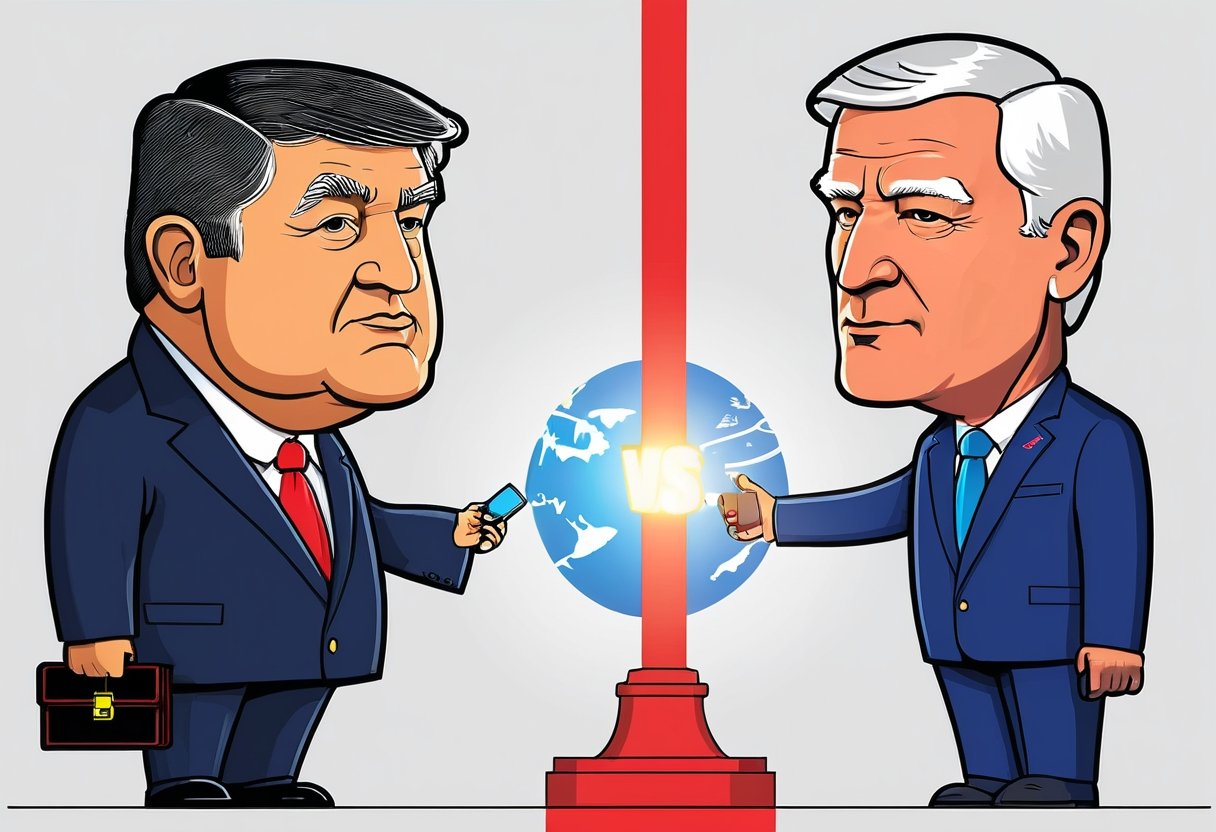
  • Tech Giants vs Politicians: The Shift in Global Power

    Tech Giants vs Politicians: The Shift in Global Power

    Introduction to the Power Shift

    The world is witnessing a significant shift in power, with tech giants increasingly influencing global decisions, potentially surpassing the impact of politicians. This notion was recently highlighted by Blaise Metreweli, the new head of Britain’s foreign intelligence service, MI6, in her first public speech. Metreweli emphasized the complex landscape of threats facing the UK, including technological disruption, information manipulation, and terrorism, as reported by CNN and GOV.UK.

    Understanding the Threats

    Metreweli’s speech underscored the importance of mastering technology to combat these threats. She stressed that MI6 officers must be as comfortable with lines of code as they are with human sources, and as fluent in Python as they are in multiple languages. This highlights the evolving nature of espionage and national security in the digital age.

    Implications of the Power Shift

    The shift in power from politicians to tech giants has profound implications for society. Tech companies, with their immense resources and global reach, can influence public opinion, shape policies, and even impact the outcome of elections. This raises concerns about the accountability of these companies and their potential to undermine democratic processes.

    Practical Takeaways

    To navigate this new landscape, it’s essential for individuals, organizations, and governments to be aware of the influence of tech giants and to develop strategies to mitigate potential risks. This includes promoting digital literacy, supporting regulations that ensure tech companies operate transparently and ethically, and fostering a culture of critical thinking and media literacy.


  • The Secrets We Sell: How Deep Tech Meets National Security

    The Secrets We Sell: How Deep Tech Meets National Security

    The Secrets We Sell

    The story of a US executive selling secrets to Russia for $1.3 million sends shockwaves through the tech world. But it’s not just about espionage – it’s a collision of deep tech, national security, and the darker side of innovation.As we delve into the world of cutting-edge technology, we find ourselves at a crossroads. The allure of advancements like AI, quantum computing, and cybersecurity is undeniable, but the risks and consequences of exploitation are all too real.The US executive at the center of the controversy exemplifies this complex dynamic. With access to sensitive information and a desire for financial gain, they made a Faustian bargain that threatened national security. But what does this reveal about the deep tech landscape we’re navigating?The answer lies in the interplay between technological advancements and human motivations. As we push the boundaries of what’s possible, we create new opportunities for both progress and exploitation. The key is to understand these dynamics and build safeguards that prioritize national security and responsible innovation.

    The Bigger Picture

    The sale of secrets to Russia is merely the tip of the iceberg. Deep tech’s impact on national security is multifaceted, with both benefits and risks. On one hand, advanced technologies can bolster defense systems and enhance cybersecurity. On the other, they can also be exploited by adversaries, compromising sensitive information and putting lives at risk.This delicate balance is further complicated by the involvement of private companies, governments, and individuals. As these stakeholders navigate the complex web of deep tech, they must prioritize transparency, accountability, and responsible innovation.

    Under the Hood

    So, what does this mean for the tech industry? To start, it’s essential to acknowledge the elephant in the room: the darker side of innovation. As we strive for breakthroughs, we must also confront the risks and consequences of our actions.This involves a deep dive into the technical aspects of deep tech, including AI, quantum computing, and cybersecurity. By understanding these technologies and their implications, we can build more effective safeguards and ensure that innovation serves the greater good.One key area of focus is the development of secure, transparent, and accountable technologies. This requires collaboration between industry leaders, governments, and experts in the field. Together, we can create a framework for responsible innovation that prioritizes national security and the public interest.

    Market Reality

    The sale of secrets to Russia is not an isolated incident. Rather, it’s a symptom of a broader trend: the growing intersection of deep tech and national security. As this convergence continues, we can expect to see more cases like this emerge.The market is already adapting, with companies and governments investing heavily in cybersecurity and secure tech. However, this is just the beginning. To truly address the risks and opportunities presented by deep tech, we must go beyond short-term solutions and focus on long-term, systemic change.

    What’s Next

    So, what’s next for the tech industry? As we navigate the complex landscape of deep tech and national security, we must prioritize responsible innovation, transparency, and accountability. This involves a commitment to: Building secure, transparent technologies that prioritize the public interest Fostering a culture of innovation that values collaboration, accountability, and responsible risk-taking* Encouraging open dialogue between industry leaders, governments, and experts in the fieldBy working together, we can create a future where deep tech serves the greater good and national security is protected. The question is: are we up to the challenge?

    Final Thoughts

    As we conclude this exploration of the secrets we sell, one thing is clear: the intersection of deep tech and national security is a complex, multifaceted issue. To truly address the risks and opportunities presented by this convergence, we must approach the topic with nuance, empathy, and a deep understanding of the underlying dynamics.Ultimately, the choice is ours. Will we prioritize responsible innovation and national security, or will we succumb to the allure of short-term gains and compromise the public interest? The future is uncertain, but one thing is certain: the secrets we sell will have far-reaching consequences for generations to come.

  • The ICE Spyware Scandal: Unpacking the Fallout

    The ICE Spyware Scandal: Unpacking the Fallout

    The ICE Spyware Scandal

    A recent report has shed light on a shocking revelation: Immigration and Customs Enforcement (ICE) is purchasing millions of dollars’ worth of spyware to use on American citizens.

    As I delve into this story, I’ll explore the implications, technical aspects, and market impact. But first, let’s set the stage.

    The Story Unfolds

    The news broke when Mediaite reported on ICE’s plans to buy spyware worth millions. This has sparked a heated debate about surveillance, privacy, and the role of law enforcement agencies in monitoring citizens.

    What’s fascinating is that this isn’t just about the technology itself. It’s about the broader implications for our society and the kind of world we want to live in.

    But here’s the real question: Can we trust our institutions to use such powerful tools responsibly?

    Why This Matters

    The bigger picture is this: The ICE spyware scandal highlights the growing tension between national security and individual freedoms.

    We’re at a crossroads where governments and corporations are increasingly using advanced technologies to gather intelligence and monitor citizens.

    This raises essential questions about accountability, transparency, and the balance between security and liberty.

    Technical Deep Dive

    From a technical standpoint, the spyware in question is a sophisticated tool designed to gather a wide range of sensitive information.

    It’s a grim reminder that the lines between national security and personal privacy are increasingly blurred.

    The reality is that this technology can be used for both good and ill. It’s up to us to ensure that our institutions use it responsibly and with the utmost transparency.

    The Market Reality

    The market is already responding to this story, with some experts predicting a surge in demand for surveillance technology.

    However, this trend raises concerns about the potential for abuse and misuse of such tools.

    The question is: How can we harness the benefits of these technologies while minimizing the risks?

    Looking Forward

    As we move forward, it’s essential to have an open and honest discussion about the role of surveillance technology in our society.

    We need to consider the ethical implications, technical limitations, and potential consequences of using such tools.

    The future of surveillance technology will be shaped by our collective choices and decisions. Let’s make sure we get it right.

    Final Thoughts

    In conclusion, the ICE spyware scandal serves as a stark reminder of the complex and often fraught relationship between national security and individual freedoms.

    We must navigate this landscape with caution, transparency, and a deep commitment to accountability.

    Together, we can create a future where technology serves humanity, not the other way around.

Oh hi there 👋
It’s nice to meet you.

Sign up to receive awesome content in your inbox, every Day.

We don’t spam! Read our privacy policy for more info.