Tag: Nvidia

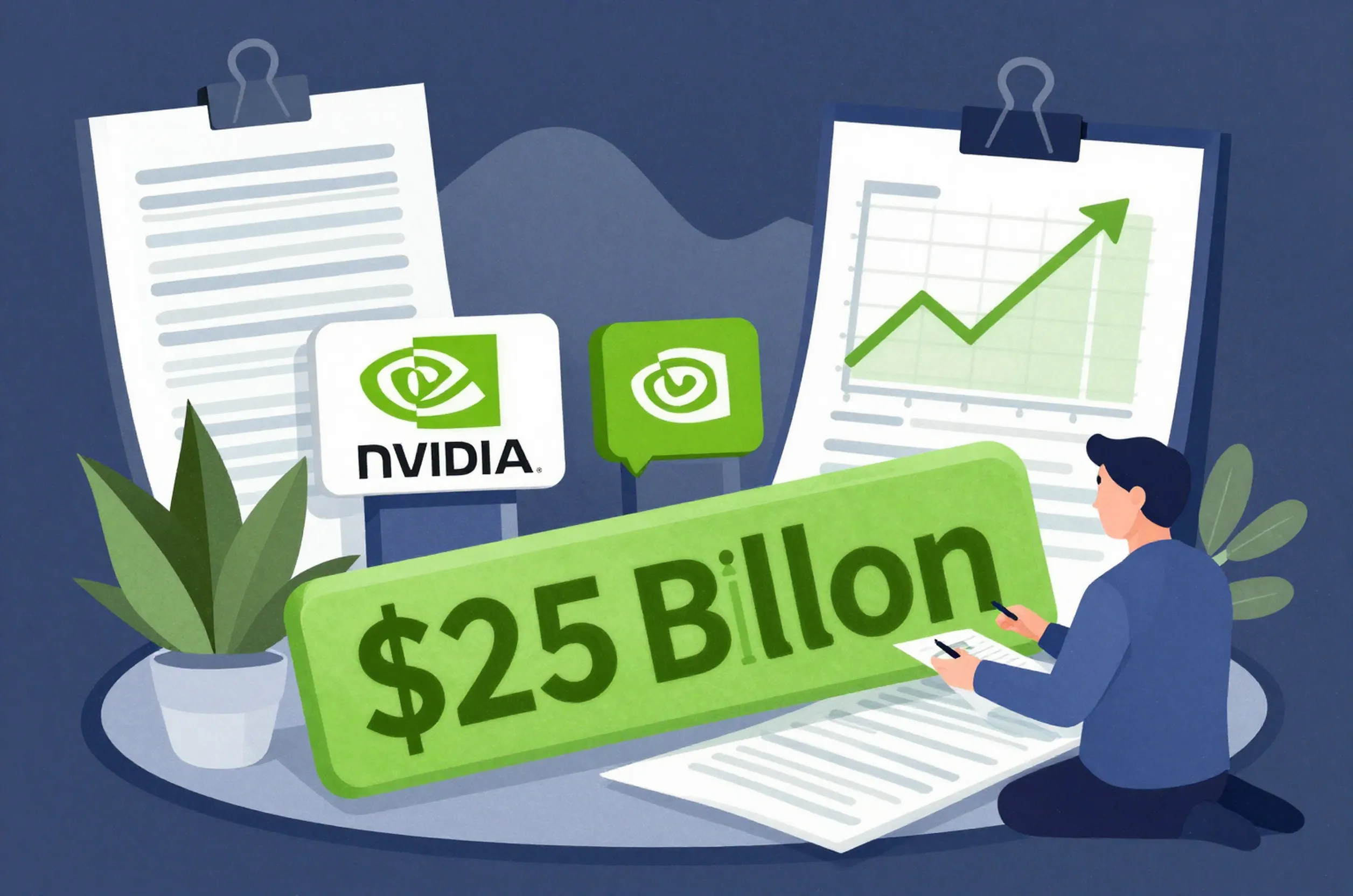
  • Nvidia Raises $25 Billion in Bond Sale

    Nvidia Raises $25 Billion in Bond Sale

    Nvidia’s Bold Move

    Nvidia has announced that it will be raising $25 billion through a U.S. bond issuance, exceeding its initial plan of $20 billion. This move is seen as a strategic decision to increase liquidity and establish a liquid benchmark for its cost of credit.

    Investor Demand

    The bond sale saw an overwhelming response from investors, with demand reaching $85 billion. This is a clear indication of the market’s confidence in Nvidia’s growth prospects and its position as a leader in the AI chip market.

    Market Implications

    Nvidia’s decision to raise $25 billion through a bond sale is expected to have significant implications for the market. The company’s focus on investing in advanced processors and AI capabilities is likely to drive growth and innovation in the tech industry.

    Expert Insights

    According to sources, Nvidia’s main reason for raising $25 billion was to establish a liquid benchmark for its cost of credit, rather than funding capital expenditures. This move is seen as a strategic decision to maintain low credit spreads and ensure the company’s financial stability.

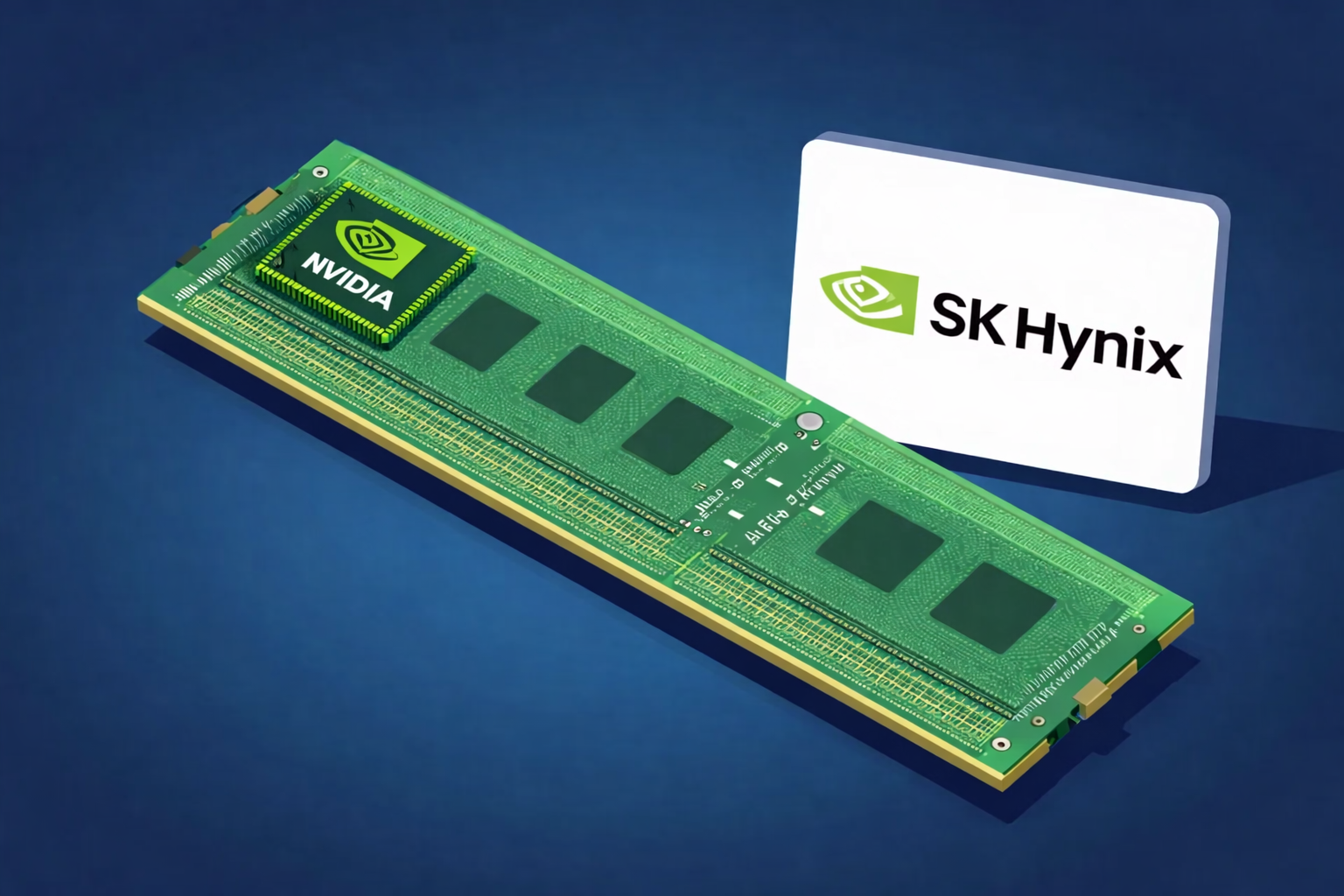
  • Nvidia and SK Hynix Revolutionize AI Memory

    Nvidia and SK Hynix Revolutionize AI Memory

    Introduction to the Partnership

    Nvidia and SK Hynix have announced a multi-year partnership to co-develop next-generation memory for AI data centers and streamline semiconductor manufacturing. According to Earn Your Leisure’s post, this deal expands SK Hynix’s memory integration across Nvidia’s future hardware lineup, positioning the companies to compete directly with Intel’s Xeon and AMD’s EPYC server chips.

    Key Aspects of the Partnership

    As reported by NVIDIA and SK hynix sign multiyear AI memory pact | NVDA Stock News, the agreement supports supply for advanced memory, addressing the extended development cycles, advanced fabrication, and capital investments to sustain the global buildout of AI factories. SK hynix will diversify into new markets NVIDIA is creating — across AI infrastructure, personal AI, and physical AI — co-developing memory for NVIDIA Vera Rubin AI supercomputers, Vera CPUs, RTX Spark-powered PCs, and Jetson Thor robotic computing platforms.

    Technical Analysis and Market Impact

    The partnership also includes joint engineering to optimize memory for future Vera Rubin AI supercomputers. As noted in SK hynix announces multiyear deal with Nvidia for AI factories | Yonhap News Agency, the agreement is expected to secure Nvidia’s long-term memory supply amid ongoing shortages while locking in consistent demand for SK Hynix. Bloomberg reports that Nvidia will help its partner diversify into new arenas, encompassing infrastructure and physical AI as well as memory for Vera Rubin, Nvidia’s most powerful accelerator.

    Future Implications and Expert Insights

    Experts believe this partnership will significantly impact the AI and semiconductor industries. With SK Hynix set to expand its reach into new AI-related fields, the company is likely to become a lead supplier for AI-oriented PC architecture like Nvidia RTX Spark. As SK hynix announces multiyear deal with Nvidia for AI factories suggests, long-term supply agreements make it easier for SK Hynix to expand capacity and gradually increase market share.

  • From Jail to Billionaire: The AI Firm Co-Founded by Oliver Curtis

    From Jail to Billionaire: The AI Firm Co-Founded by Oliver Curtis

    Introduction to Firmus

    Firmus, a Singapore-based AI infrastructure provider, has been making waves in the tech industry with its innovative approach to cooling technology for data centers. Co-founded by Oliver Curtis, a former insider trader, and his cousin Tim Rosenfield, the company has attracted significant attention from blue-chip backers, including Nvidia, Ellerston Capital, and Blackstone.

    Background of Oliver Curtis

    Oliver Curtis, the co-CEO of Firmus, has a colorful past. In 2016, he was convicted of insider trading and spent a year in Cooma Correctional Centre. However, after his release, he turned his focus to the tech industry, and his company, Firmus, was born. According to SMH, the idea for the company originated while Curtis was still in prison.

    Firmus’s Innovative Approach

    Firmus specializes in creating AI factories, purpose-built data centers capable of training and generating artificial intelligence models using the latest chip architectures from Nvidia. The company’s cooling technology allows data centers to operate more efficiently, reducing costs and increasing productivity. As reported by Startup Daily, Firmus has raised over $900 million in less than five months, with a valuation of $6 billion.

    Project Southgate and Partnerships

    Firmus’s Project Southgate initiative aims to deliver 1.6 gigawatts of infrastructure by 2028, with its flagship project in Tasmania set to open this year. The company has partnered with Nvidia and CDC Data Centres to achieve this goal. Capital Brief notes that while big-name money is backing Firmus, not everyone in the market is convinced by the company’s story, citing concerns over Curtis’s past and sustainability claims.

    Market Impact and Future Implications

    The success of Firmus has significant implications for the tech industry, particularly in the field of AI. As Mingtiandi reports, Blackstone’s $10 billion debt financing package for Firmus is a testament to the company’s potential. However, as Daily Mail suggests, Curtis’s past may still raise eyebrows among investors.

    Conclusion

    In conclusion, Firmus’s story is one of innovation and redemption. Despite the controversies surrounding its co-founder, the company has made significant strides in the tech industry. As the company gears up for an initial public offering on the Australian stock exchange, it will be interesting to see how investors respond to its unique approach to AI infrastructure.

  • DeepSeek’s AI Model Exclusivity Shakes Up Tech Industry

    DeepSeek’s AI Model Exclusivity Shakes Up Tech Industry

    Introduction to DeepSeek’s Latest Move

    DeepSeek, a Chinese artificial intelligence lab, has been making waves in the tech industry with its low-cost AI models. Recently, it was reported that DeepSeek has withheld its latest AI model from US chipmakers, including Nvidia and AMD, breaking away from standard industry practice. This move has significant implications for the tech industry and raises questions about the future of AI development.

    Understanding the Significance of DeepSeek’s Decision

    According to sources, DeepSeek has granted early access to its upcoming V4 model to domestic suppliers, including Huawei Technologies, giving them a head start of several weeks to optimize the software for their processors. This decision is seen as a strategic move by the Chinese government to promote domestic chipmakers and reduce reliance on US hardware.

    Impact on Nvidia and AMD

    The exclusion of Nvidia and AMD from the early access program is expected to have minimal impact on their general data accelerator business, as most enterprises are not running DeepSeek’s AI models. However, this move may affect their ability to compete in the Chinese market, where DeepSeek’s models are widely used.

    Technical Analysis of DeepSeek’s AI Models

    DeepSeek’s AI models are known for their low cost and high performance, making them attractive to businesses and individuals alike. The company’s decision to withhold its latest model from US chipmakers may be seen as a way to protect its intellectual property and maintain a competitive edge in the market.

    Market Impact and Future Implications

    The move by DeepSeek has significant implications for the tech industry, particularly in the areas of AI development and chip manufacturing. As the US and China continue to compete in the tech space, companies like DeepSeek are likely to play a crucial role in shaping the future of the industry.

    Conclusion and Expert Insights

    In conclusion, DeepSeek’s decision to withhold its latest AI model from US chipmakers is a strategic move that reflects the company’s commitment to promoting domestic chipmakers and reducing reliance on US hardware. As the tech industry continues to evolve, it is essential to stay informed about the latest developments and their implications for the future.

    Expert insights suggest that this move is part of a broader strategy by the Chinese government to promote domestic technology and reduce dependence on foreign hardware. The impact of this decision will be closely watched by industry experts and may have significant implications for the future of AI development and chip manufacturing.

  • Nvidia CEO Jensen Huang Reports Strong Chinese Demand for AI Chips

    Nvidia CEO Jensen Huang Reports Strong Chinese Demand for AI Chips

    Nvidia’s Resurgence in China

    Nvidia CEO Jensen Huang has announced that Chinese demand for the company’s H200 advanced AI processors has reached high levels following the Trump administration’s approval of sales to China. According to CNBC, Huang stated that the company is seeing ‘very high’ customer demand in China for its H200 AI chips, which the U.S. government recently signaled it would approve for export.

    Production and Export Licenses

    Huang added that Nvidia has started producing the chips again and is working out the final details about export licenses with the U.S. government. As reported by Tom’s Hardware, the H200 remains a highly attractive option for large-scale AI workloads, making it particularly well-suited for training and inference of large language models.

    Market Impact and Future Implications

    The sale of advanced Nvidia H200 AI chips to approved customers in China does more than signal policy inconsistency: it undermines much of the original purpose of the restrictions. As noted by the Council on Foreign Relations, by re-opening the flow of powerful computing hardware to China, Washington risks supplying exactly the tools it once tried to withhold.

    Expert Insights and Analysis

    According to Reddit’s r/technology, Nvidia’s H200 demand in China is ‘quite high.’ This surge in demand can be attributed to the company’s Hopper architecture, which pairs the H100 GPU with 141GB of HBM3e memory and significantly higher memory bandwidth.

  • Nvidia CEO Jensen Huang on Billionaire Tax

    Nvidia CEO Jensen Huang on Billionaire Tax

    Nvidia CEO Jensen Huang’s Stance on the Proposed Billionaire Tax

    Nvidia CEO Jensen Huang has expressed his support for the proposed billionaire tax in California, stating that he is ‘perfectly fine’ with paying the tax. According to Forbes, Huang’s net worth is estimated to be around $163.2 billion, which means he would owe approximately $8.16 billion under the proposed bill.

    The Proposed Bill

    The proposed bill aims to impose a one-time 5% tax on the state’s billionaires, which is estimated to raise around $100 billion for California over five years. The tax would be imposed on the net worth of the billionaires, not their income, and would cover assets such as stocks, artwork, and intellectual property rights.

    Huang’s Response

    Huang’s response to the proposed tax is in contrast to many of his fellow billionaires, who have expressed concerns that the tax could drive them out of the state. However, Huang has stated that he chose to live in Silicon Valley because of the talent pool, and that he is willing to pay the tax in order to stay in the state.

    Implications of the Tax

    The proposed tax has sparked a debate about the fairness of the tax system and the impact it could have on the economy. While some argue that the tax is necessary to address income inequality, others argue that it could lead to a brain drain and hurt the state’s economy.

    Conclusion

    In conclusion, Nvidia CEO Jensen Huang’s support for the proposed billionaire tax is a significant development in the debate about the fairness of the tax system. While the implications of the tax are still unclear, it is clear that Huang is willing to pay the tax in order to stay in Silicon Valley and continue to build his business.

  • Trump’s 2025 Deal Sparks Controversy Over AI Chip Sales to China

    Trump’s 2025 Deal Sparks Controversy Over AI Chip Sales to China

    Introduction to the Controversy

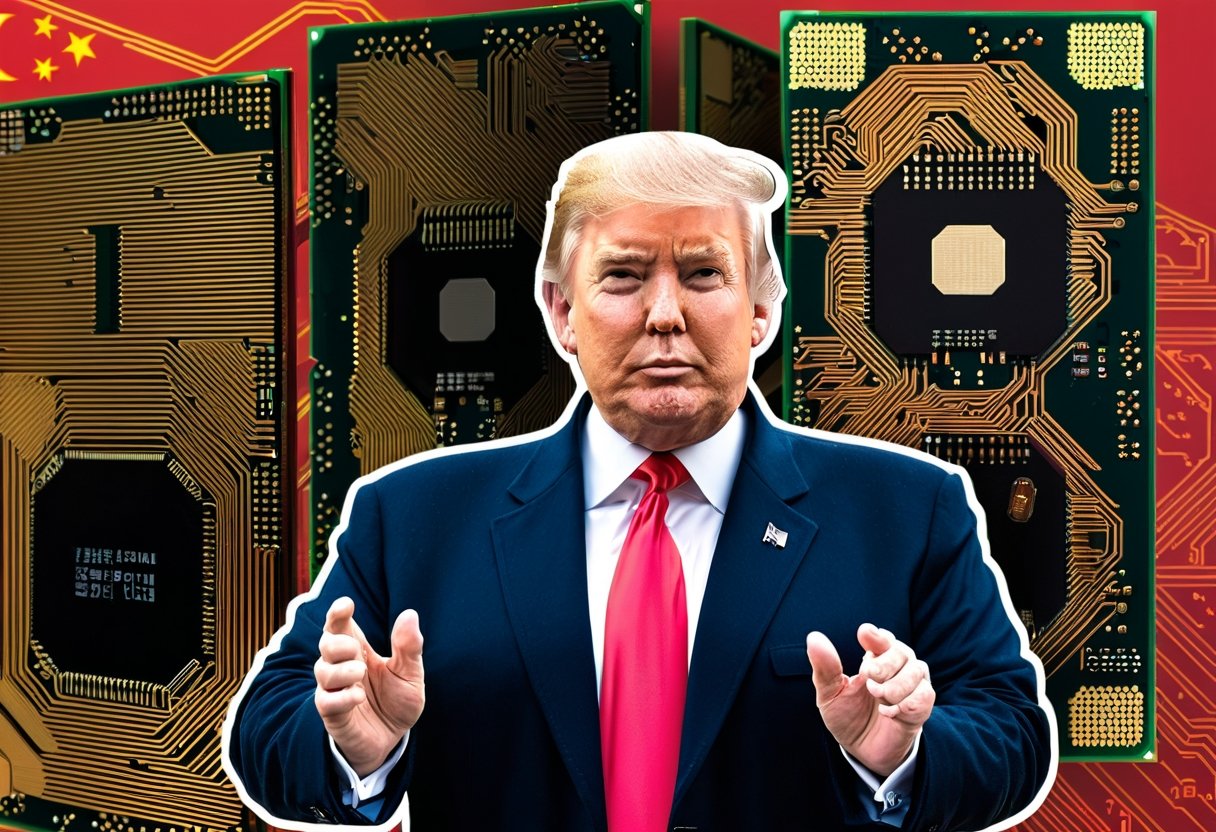
    President Trump’s 2025 deal allowing Nvidia and AMD to sell AI chips to China has sparked intense controversy. The arrangement, which promises a 15-25% U.S. revenue share, has been touted as a means to fund innovation but criticized for potential security risks. As reported by WebProNews and CNBC, this move has significant implications for U.S.-China tech relations.

    Details of the Deal

    According to CNBC, Nvidia and AMD agreed to share 15% of the revenue from China chip sales with the U.S. government. However, President Trump later announced that Nvidia would be allowed to ship its H200 artificial intelligence chips to ‘approved customers’ in China, with the U.S. receiving a 25% cut. This inconsistency has fueled criticism from lawmakers and experts, as highlighted by Bloomberg.

    Implications and Criticisms

    The deal has been criticized for its potential to undermine U.S. national security. As Reuters reports, the U.S. administration has launched a review that could result in the first shipments to China of Nvidia’s second-most powerful AI chips. This has raised concerns among China hawks across the U.S. political spectrum, who fear that the chips could supercharge Beijing’s military and erode the U.S. advantage in artificial intelligence.

    Expert Insights and Analysis

    Experts argue that shipping advanced AI chips to China could have significant implications for the future of U.S.-China relations and the global tech industry. As PBS notes, there are concerns about allowing advanced computer chips to be sold to China, as it could help the country better compete against the U.S. in building out AI capabilities.

    Conclusion and Future Implications

    In conclusion, Trump’s 2025 deal allowing Nvidia and AMD to sell AI chips to China has sparked controversy and raised significant questions about the implications for U.S. national security and the global tech industry. As the situation continues to unfold, it is essential to consider the potential long-term consequences of this decision and the future of U.S.-China tech relations.

  • Oracle’s AI Ambitions Under Scrutiny Amidst Worst Quarter

    Oracle’s AI Ambitions Under Scrutiny Amidst Worst Quarter

    Introduction

    Oracle, the database giant, is facing a crisis of faith in its ability to deliver on its promise to build massive data centers packed with Nvidia chips for OpenAI. The company’s stock has plummeted 30% this quarter, putting it on track for its worst performance since 2001. This drastic decline has raised concerns among investors and analysts about the company’s ability to execute its AI strategy.

    The New CEOs’ Challenges

    Just three months ago, Oracle named Clay Magouyrk and Mike Sicilia as its new CEOs. However, their tenure has been marked by a significant decline in the company’s stock price. The sell-off is a clear indication of the market’s loss of faith in Oracle’s ability to deliver on its AI promises. As reported by The Tech Buzz, Oracle’s commitment to build massive data centers for OpenAI was supposed to be a generational opportunity for the company.

    AI Build-out Concerns

    The main concern among investors is Oracle’s ability to keep its investment-grade debt rating while funding the massive AI build-out. The company is planning to spend $248 billion in leases and $50 billion in capital expenditures in fiscal 2026 to boost cloud capacity for OpenAI’s ChatGPT. This aggressive spending has raised eyebrows among investors, who are skeptical about the company’s ability to generate sufficient revenue to justify the investment.

    Technical Analysis

    From a technical perspective, Oracle’s AI cloud business is facing significant challenges. The company’s gross margin for its AI cloud business is around 14%, which is far lower than its traditional business margins. This raises concerns about the scaling economics of AI infrastructure. As Ground AI insights suggest, the company’s credibility in the market will hinge on the success of its AI buildout.

    Market Impact

    The decline in Oracle’s stock price has significant implications for the market. It reflects a broader trend of investors becoming increasingly skeptical about the ability of tech companies to deliver on their AI promises. As CNBC reports, Oracle’s stock slide marks a reversal of fortunes for a company that was once enjoying a blistering rally and clinching multibillion-dollar data center deals with the likes of OpenAI.

    Future Implications

    The future implications of Oracle’s AI ambitions are far-reaching. If the company is able to successfully execute its AI strategy, it could lead to significant revenue growth and increased market share. However, if the company fails to deliver, it could lead to a further decline in its stock price and a loss of faith among investors. As LinkedIn reports, Oracle’s new architecture of leadership, with two CEOs focusing on AI and cloud, and enterprise applications, respectively, is a bold experiment that could pay off if executed correctly.

  • Nvidia Acquires Groq for $20 Billion in Historic AI Deal

    Nvidia Acquires Groq for $20 Billion in Historic AI Deal


    Nvidia’s Largest Acquisition to Date

    Nvidia has agreed to acquire assets from artificial intelligence chip startup Groq for approximately $20 billion, marking the company’s largest transaction on record. This deal is a significant move for Nvidia, as it continues to absorb potential competitors and reinforce its market dominance in the AI chip landscape.

    Background on Groq

    Groq is a designer of high-performance AI accelerator chips, and its unique SRAM-based chip architecture solves critical memory bottlenecks. The company was last valued at $6.9 billion, and Nvidia is paying roughly 190% above its recent valuation. Groq’s revenue as of 2023 was modest, around $3.2 million, highlighting that this deal is strategic rather than revenue-driven.

    Deal Structure and Implications

    The deal is structured as a non-exclusive licensing agreement with key talent acquisitions. Groq’s founder and CEO, Jonathan Ross, as well as other company leaders, will join Nvidia to scale up the tech. Groq Cloud will remain independent and continue operating separately under CFO-turned-CEO Simon Edwards.

    Nvidia’s Aggressive Investment Strategy

    This acquisition follows Nvidia’s aggressive investment strategy across the AI ecosystem. The company’s growing financial strength, with cash and short-term investments reaching $60.6 billion by the end of October, up from $13.3 billion in early 2023, has enabled it to make significant investments in the AI space.

    Market Impact and Future Implications

    The acquisition highlights the explosive value of AI inference technology and reinforces Nvidia’s position as a leader in the AI chip market. The deal is expected to have significant implications for the future of AI, as Nvidia continues to shape the landscape and drive innovation in the industry.

  • Nvidia’s Shift in VRAM Supply: Impact on GPU Market

    Nvidia’s Shift in VRAM Supply: Impact on GPU Market

    Nvidia’s Decision to Stop Bundling VRAM: A New Era for GPU Manufacturing

    Nvidia has reportedly stopped supplying VRAM to its GPU board partners, according to sources such as Tom’s Hardware and pcgamer. This decision marks a significant shift in the way Nvidia operates, as the company has traditionally bundled VRAM with its GPUs for board partners. The move is likely a response to the ongoing memory crunch, which has affected the entire tech industry.

    Understanding the Memory Crunch

    The memory shortage has been exacerbated by the rise of AI and the increasing demand for high-performance computing. As a result, memory manufacturers such as Samsung, Micron, and SK Hynix have struggled to keep up with demand. Nvidia, as the world’s largest GPU manufacturer, has been impacted by this shortage, leading to the decision to stop bundling VRAM with its GPUs.

    Implications for GPU Board Partners

    The implications of Nvidia’s decision are far-reaching. Board partners will now be responsible for sourcing their own VRAM, which could lead to increased costs and reduced margins. Smaller partners may struggle to secure VRAM at reasonable prices, potentially leading to a shortage of certain GPU models. Larger vendors, on the other hand, may have an easier time sourcing VRAM due to their established relationships with memory manufacturers.

    Technical Analysis

    From a technical perspective, the decision to stop bundling VRAM will require board partners to develop new relationships with memory manufacturers. This could lead to a more complex supply chain, with potential bottlenecks and delays. Additionally, the lack of standardized VRAM specifications could result in compatibility issues and reduced performance.

    Market Impact and Future Implications

    The market impact of Nvidia’s decision will be significant. The increased costs and reduced availability of certain GPU models could lead to higher prices for consumers. Additionally, the shift in the supply chain could lead to a more fragmented market, with different vendors offering varying levels of quality and performance. In the future, we can expect to see a more dynamic market, with vendors adapting to the new reality of VRAM sourcing.

    Expert Insights

    Experts in the field believe that Nvidia’s decision is a necessary response to the memory crunch. However, the implications for the market and consumers are still unclear. As the situation develops, it will be important to monitor the response of board partners and the impact on the market.

Oh hi there 👋
It’s nice to meet you.

Sign up to receive awesome content in your inbox, every Day.

We don’t spam! Read our privacy policy for more info.