Introduction to Hyundai Motor’s AI-Powered Chip
Hyundai Motor Group’s Robotics Lab has successfully developed an on-device AI-powered chip, designed to run tasks locally on a device using AI. This chip, developed in collaboration with Korean AI semiconductor firm Deepx, is now ready for mass production. The announcement was made at the inaugural CES Foundry, a conference and exhibition focused on AI, blockchain, and quantum technologies.
Key Features of the AI-Powered Chip
The processor operates with less than 5 watts of power and is capable of detecting, recognizing, and making decisions in real-time using the provided data. Notably, it does not require a cloud or network connection, making it suitable for use in areas with unstable or non-existent network connections, such as underground parking lots or logistics centers. As an on-device chip, it offers faster and more secure performance compared to chips that rely on cloud computing.
Implications and Future Plans
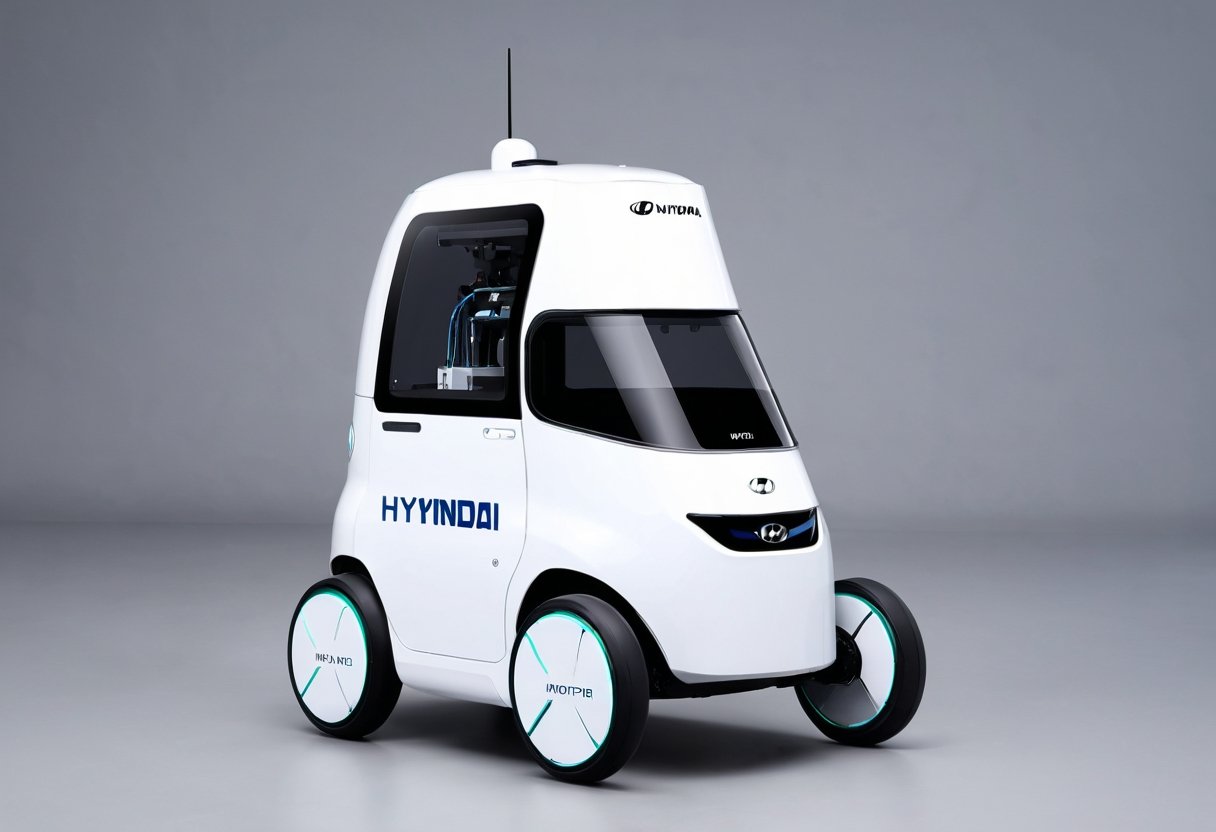
According to Hyun Dong-jin, Hyundai Motor Group’s vice president and head of the Robotics Lab, the goal is to provide low-powered, efficient, and smart robots to more people, enabling them to become valuable and beneficial to users. The company aims to build a robust ‘physical AI’ infrastructure through the on-device AI chip, as stated in a press release. Previously, the lab co-developed an AI-powered controller used in the facial recognition system Facey and the DAL-e delivery robot.
Expert Insights and Analysis
Experts in the field view this development as a significant step towards enhancing the capabilities of robots and AI-powered devices. The ability to operate without a cloud or network connection expands the potential applications of such technology, particularly in areas where connectivity is a challenge. Furthermore, the emphasis on building a sustainable robot ecosystem underscores Hyundai Motor Group’s commitment to innovation and user benefit.