Tag: openai

  • OpenAI’s Sora App: Burning $15 Million Daily

    OpenAI’s Sora App: Burning $15 Million Daily

    Introduction to OpenAI’s Sora App

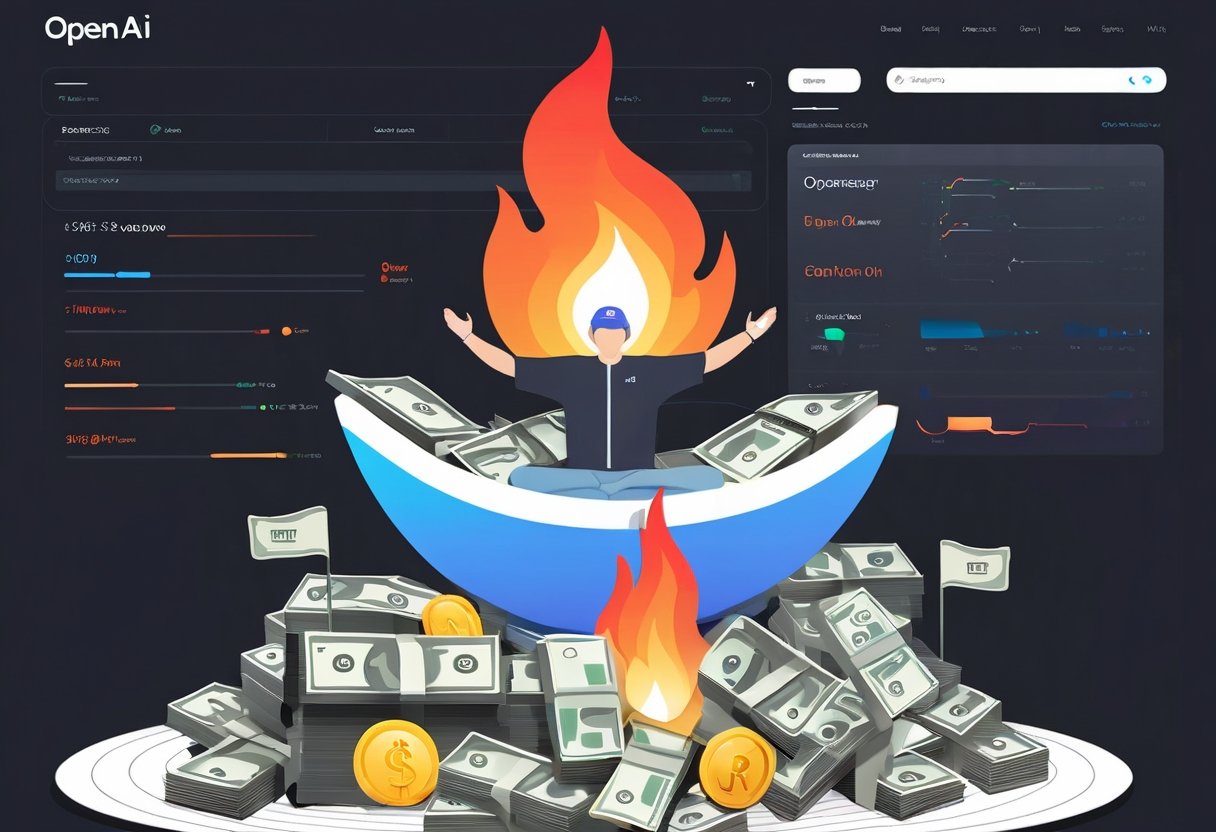
    OpenAI, a leading AI research organization, has been making headlines with its latest innovation – the Sora app. This AI-powered video generation tool has been gaining popularity, but at a steep cost. According to recent estimates, OpenAI is burning through as much as $15 million per day to keep the app running.

    The Cost of AI Video Generation

    As reported by Forbes, the Sora app’s estimated 4.5 million users are generating a staggering 11.3 million videos per day. With each video costing around $1.3 to generate, the total daily cost adds up to nearly $15 million. This raises concerns about the sustainability of the app’s current business model.

    Comparison to TikTok

    A comparison with TikTok, a leading social media platform, puts the Sora app’s costs into perspective. TikTok generates $23 billion in annual revenue from its 8.6 billion videos uploaded per year. However, as noted by Will Lockett’s Newsletter, the cost of generating these videos using OpenAI’s Sora app would be significantly higher, potentially exceeding $645 billion per year.

    OpenAI’s Response to Unsustainable Economics

    In response to the unsustainable economics of the Sora app, OpenAI has introduced a new revenue stream. As reported by Mashable, users can now pay $4 for 10 extra video generations per day, in addition to the 30 free generations they receive. This move aims to offset the costs of running the app and make it more viable in the long term.

    Expert Insights and Analysis

    Experts in the field have weighed in on the situation, with some expressing concerns about the app’s business model. The introduction of paid tiers may help alleviate some of these concerns, but it remains to be seen whether this will be enough to make the app sustainable.

  • Free AI Subscriptions: OpenAI’s Smartest Long-Term Strategy in India

    Free AI Subscriptions: OpenAI’s Smartest Long-Term Strategy in India

    Introduction to OpenAI’s Bold Move

    OpenAI has made a significant announcement that could change the landscape of the AI market in India. The company is offering free access to its ChatGPT Go plan for users in India who sign up during a limited promotional period starting November 4. This move is not just a giveaway, but a calculated strategy to win the world’s fastest-growing tech market.

    India: The Heart of OpenAI’s Global Expansion

    India has quickly become OpenAI’s second-largest market, and one of its fastest-growing. Millions of developers, professionals, and students already use ChatGPT to code, learn, write, and innovate. The free ChatGPT Go initiative aligns seamlessly with the IndiaAI Mission, which aims to build a robust, inclusive AI ecosystem.

    The Significance of Free ChatGPT Go Subscription

    The ChatGPT Go plan, launched in India in August, introduced an affordable tier for Indian users, priced at Rs 399 per month. With the free subscription, users will get access to GPT-5, image generation, file uploads, and advanced data analysis. This move is expected to expand access to AI features, making them more accessible to a wider audience.

    Market Impact and Future Implications

    India’s AI market is expected to triple in value to US$17 billion by 2027, according to a Boston Consulting Group white paper. OpenAI’s move is a bold bet on India’s potential as a global AI powerhouse. The company has already established a New Delhi office and is building a local team to expand its presence. This strategic move is likely to give OpenAI a competitive edge in the Indian market.

    Conclusion and Expert Insights

    In conclusion, OpenAI’s decision to offer free ChatGPT Go subscriptions in India is a clever hook to win the world’s fastest-growing tech market. This move is not just a marketing gimmick, but a well-thought-out strategy to expand OpenAI’s presence in India and tap into the country’s vast potential. As Dashveenjit Kaur notes, this isn’t charity, but calculated warfare in a market where the prize is 1.4 billion potential users.

    Expert insights suggest that OpenAI’s move will have a significant impact on the Indian AI market, making AI features more accessible to a wider audience. The company’s rivals, including Perplexity and Google, are also looking to tap into India’s large and youthful user base, making the market even more competitive.

  • The Surprising Truth About ChatGPT Subscriptions

    The Surprising Truth About ChatGPT Subscriptions

    I’ve been following the chatter on social media about ChatGPT and OpenAI’s recent announcements. It seems that many people thought everyone was cancelling their ChatGPT subscriptions, but recent numbers suggest otherwise.

    But what’s behind this seeming contradiction? Is it just a niche group of angry users, or is there something more at play?

    Recent research published on arXiv and Nature Machine Learning highlights some fascinating trends in AI research and development.

    The Rise of AI Research

    With the rapid advancements in AI research, it’s no wonder that OpenAI’s user base has seen a significant increase. According to recent statistics, OpenAI now has over 800 million weekly active users, more than doubling the previous number of 400 million.

    This surge in user adoption is largely driven by the increasing demand for AI-based solutions in various industries, from healthcare to finance and education.

    As AI research continues to advance, we can expect to see more innovative applications of this technology in our daily lives.

    The Bigger Picture

    So, what does this mean for the future of AI research and development? The rapid growth of user adoption and the increasing complexity of AI models suggest a significant shift in the way we approach AI research.

    This shift has significant implications for industries that rely heavily on AI, from healthcare to finance and education.

    But it also raises important questions about the ethics of AI development and deployment.

    Under the Hood

    From a technical perspective, the recent advancements in AI research are largely driven by the development of more sophisticated machine learning models and the increasing availability of large datasets.

    These advancements have enabled researchers to create more accurate and efficient AI models, which in turn has driven the rapid growth of user adoption.

    However, this also raises important questions about the potential risks and challenges associated with the increasing complexity of AI models.

    The Market Reality

    As the demand for AI-based solutions continues to grow, we can expect to see more companies investing in AI research and development.

    This has significant implications for industries that rely heavily on AI, from healthcare to finance and education.

    But it also raises important questions about the potential risks and challenges associated with the increasing complexity of AI models.

    What’s Next

    So, what can we expect to see in the future of AI research and development? The rapid growth of user adoption and the increasing complexity of AI models suggest a significant shift in the way we approach AI research.

    This shift has significant implications for industries that rely heavily on AI, from healthcare to finance and education.

    But it also raises important questions about the ethics of AI development and deployment.

    Final Thoughts

    The recent announcements from OpenAI and the rapid growth of user adoption have significant implications for the future of AI research and development.

    As we move forward, it’s essential to consider the potential risks and challenges associated with the increasing complexity of AI models.

    By doing so, we can ensure that AI research and development continue to drive innovation and improve our lives, while also minimizing the risks and challenges associated with this technology.


Oh hi there 👋
It’s nice to meet you.

Sign up to receive awesome content in your inbox, every Day.

We don’t spam! Read our privacy policy for more info.