
Tag: rare earth export controls

  • Anthropic’s Push for AI Regulation: A Deeper Dive

    Anthropic’s Push for AI Regulation: A Deeper Dive

    Introduction to Anthropic and AI Regulation

    Anthropic, a leading AI development company, has been at the forefront of discussions about the regulation of open-source models. The company’s push for regulation has sparked debate and raised questions about the motivations behind its stance. In this article, we will delve into the details of Anthropic’s position and explore the implications of its advocacy for AI regulation.

    Understanding Anthropic’s Position

    According to reports, Anthropic has been working with federal agencies to develop guidelines for the use of AI models. The company’s policies prohibit the use of its AI tools for direct domestic surveillance and data collection, aligning with the policies of its rivals, including OpenAI, Meta, and Microsoft.

    Criticism and Controversy

    However, not everyone is convinced of Anthropic’s intentions. Meta’s chief AI scientist, Yann LeCun, has criticized Anthropic’s stance, suggesting that the company is trying to scare people into regulating open-source models out of existence. LeCun believes that Anthropic’s approach could lead to regulatory capture, where the company’s interests are prioritized over the greater good.

    Expert Insights and Analysis

    Anthropic’s CEO, Dario Amodei, has defended the company’s position, stating that Anthropic is committed to constructive engagement on matters of public policy. Amodei emphasized that the company’s goal is to ensure that powerful AI technology benefits the American people and advances the country’s lead in AI development.

    Technical Analysis

    From a technical perspective, Anthropic’s push for regulation is driven by concerns about the safety and security of AI models. The company has submitted detailed analysis and recommendations for maintaining and strengthening export controls on advanced semiconductors. Anthropic’s approach focuses on adjusting the tiering system and allowing countries with robust data center security to obtain more chips through government-to-government agreements.

    Market Impact and Future Implications

    The implications of Anthropic’s push for AI regulation are far-reaching. If successful, the company’s efforts could lead to a more regulated AI industry, with potential benefits for safety and security. However, critics argue that over-regulation could stifle innovation and limit access to AI technology. As the debate continues, it is essential to consider the potential consequences of Anthropic’s actions and the future of AI development.

    Practical Takeaways

    For businesses and individuals involved in AI development, it is crucial to stay informed about the ongoing discussions and debates surrounding regulation. By understanding the positions of companies like Anthropic and the potential implications of their actions, stakeholders can better navigate the evolving AI landscape and make informed decisions about their own investments and initiatives.
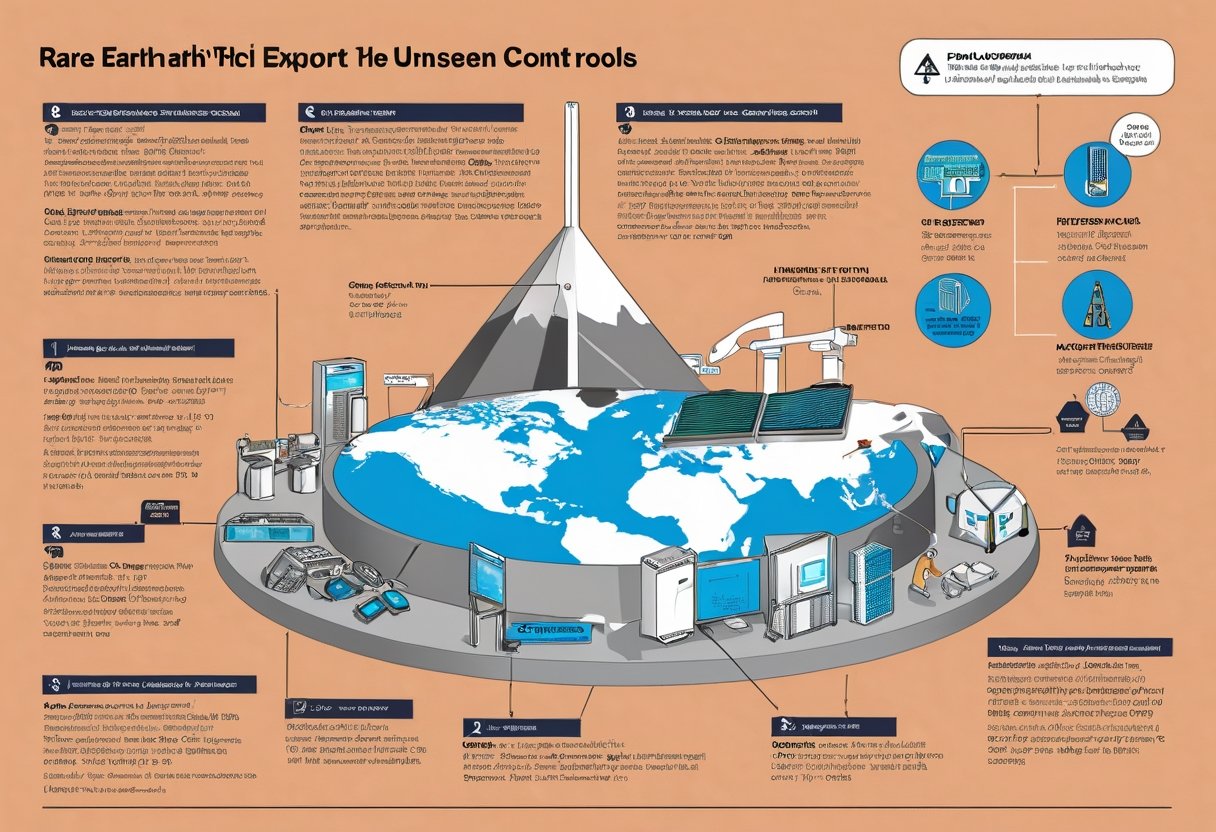
  • Rare Earth Export Controls: The Unseen Threat to Global Tech

    Rare Earth Export Controls: The Unseen Threat to Global Tech

    As the world grapples with the implications of China’s rare earth export controls, one thing is clear: this is a watershed moment that will impact the global tech landscape for years to come.

    The export controls, which restrict China’s supply of rare earth minerals, have sent shockwaves through the industry. Rare earths are critical components in everything from smartphones to electric vehicles, and China’s dominance in the market makes it difficult for other countries to compete.

    But here’s the real question: what does this mean for the future of tech innovation? I believe it’s a wake-up call for countries and companies to diversify their supply chains and invest in domestic rare earth production.

    The story began to unfold last year when China announced its plan to restrict rare earth exports. The initial reaction was one of alarm, with many industry experts warning of supply chain disruptions and price hikes.

    But as the months went by, it became clear that the impact was far more profound. Companies were forced to scramble to find alternative suppliers, and some were even forced to shut down production lines.

    The Bigger Picture

    So why should we care about rare earth export controls? The answer lies in their far-reaching impact on global tech. As the world becomes increasingly dependent on technology, the need for rare earth minerals will only continue to grow.

    But with China’s grip on the market tightening, other countries are being forced to take action. The United States, for example, has launched its own initiative to develop domestic rare earth production.

    This is not just a national security issue; it’s a matter of economic survival. Companies that fail to adapt to this new reality risk being left behind.

    Under the Hood

    So how do rare earth export controls actually work? It’s a complex issue that involves everything from mining to refining to end-use manufacturing.

    The critical thing to note is that China’s control over the market is not just about supply and demand. It’s also about the country’s ability to manipulate the global market by restricting exports.

    Take, for example, the recent case of Tesla. The company found itself facing a rare earth shortage, which it attributed to China’s export restrictions. It was forced to scramble to find alternative suppliers, and even went so far as to establish its own rare earth mining operation.

    This is just the beginning. As the industry becomes increasingly dependent on rare earth minerals, the need for alternative suppliers will only continue to grow.

    The Market Reality

    So what does this mean for the market? In short, it means that companies will have to adapt quickly to a new reality. Those that fail to do so risk being left behind.

    The impact will be felt across the board, from smartphone manufacturers to electric vehicle producers. Anyone who relies on rare earth minerals will have to find new suppliers or risk facing production disruptions.

    But here’s the thing: this is not just a short-term issue. The impact of rare earth export controls will be felt for years to come.

    What’s Next

    So what’s next for the rare earth market? The answer lies in the hands of governments and companies alike. Those that fail to adapt will be left behind.

    The key is to diversify supply chains and invest in domestic production. This is not just a matter of national security; it’s a matter of economic survival.

    As the world becomes increasingly dependent on technology, the need for rare earth minerals will only continue to grow. Companies that fail to adapt risk being left behind.

    The rare earth export control crisis is a wake-up call for the world. It’s a reminder that in an increasingly complex global economy, companies must be prepared to adapt quickly to new realities.

    Final Thoughts

    As the world grapples with the implications of China’s rare earth export controls, one thing is clear: this is a watershed moment that will impact the global tech landscape for years to come.

    The export controls have sent shockwaves through the industry, forcing companies to scramble to find alternative suppliers and adapt to a new reality.

    This is not just a national security issue; it’s a matter of economic survival. Companies that fail to adapt risk being left behind.

Oh hi there 👋
It’s nice to meet you.

Sign up to receive awesome content in your inbox, every Day.

We don’t spam! Read our privacy policy for more info.