Tag: Robotics

  • Arm Launches Physical AI Division to Expand in Robotics

    Arm Launches Physical AI Division to Expand in Robotics

    Introduction to Arm’s Physical AI Division

    Chip technology company Arm Holdings has reorganized the company to create a Physical AI unit, aiming to expand its presence in the robotics market, as reported by Reuters at CES 2026. This move comes amidst a flurry of announcements and activity at CES around humanoid robots, where companies demonstrated robots that could help build cars, clean toilets, and deal games of poker.

    Market Potential and Growth

    Arm executives see robotics as a market with immense potential for growth in the long run. The head of the newly formed unit, Drew Henry, told Reuters that physical AI solutions could ‘fundamentally enhance labor, free up extra time’ and may have a considerable impact on gross domestic product as a result. The division plans to add staff dedicated to robotics, according to Arm Chief Marketing Officer Ami Badani.

    Expansion into Robotics

    Arm will now operate across three main lines of business: its Cloud and AI, Edge – which includes its mobile devices and PC products – and Physical AI, which also folds in its automotive business. The potential for growth in robotics spurred discussions inside Arm for months about how best to tackle the market. The company formally reorganized recently and created the Physical AI division, as TipRanks reported.

    Impact and Future Implications

    The creation of the Physical AI unit by Arm Holdings signifies a strategic move into the robotics market, which is expected to see significant growth. As Stocktwits noted, Arm executives believe that robotics could offer major long-term growth potential. This expansion could lead to advancements in humanoid and industrial AI applications, ultimately enhancing labor efficiency and freeing up human time.

    The move also highlights the importance of safety, reliability, and power efficiency in robotics, as LinkedIn discussed. Arm’s collaboration with dozens of automakers and robotics companies, including Boston Dynamics, demonstrates its commitment to this field.

    Conclusion and Takeaways

    In conclusion, Arm’s launch of the Physical AI division marks a significant step into the robotics market. With its potential for growth and impact on labor efficiency, this move is expected to have far-reaching implications. As the company continues to expand its presence in this field, it will be interesting to see the developments and innovations that arise from this new division.

  • China Develops Robot with E-Skin for Human-Like Pain Sensing

    China Develops Robot with E-Skin for Human-Like Pain Sensing


    Introduction to E-Skin Technology

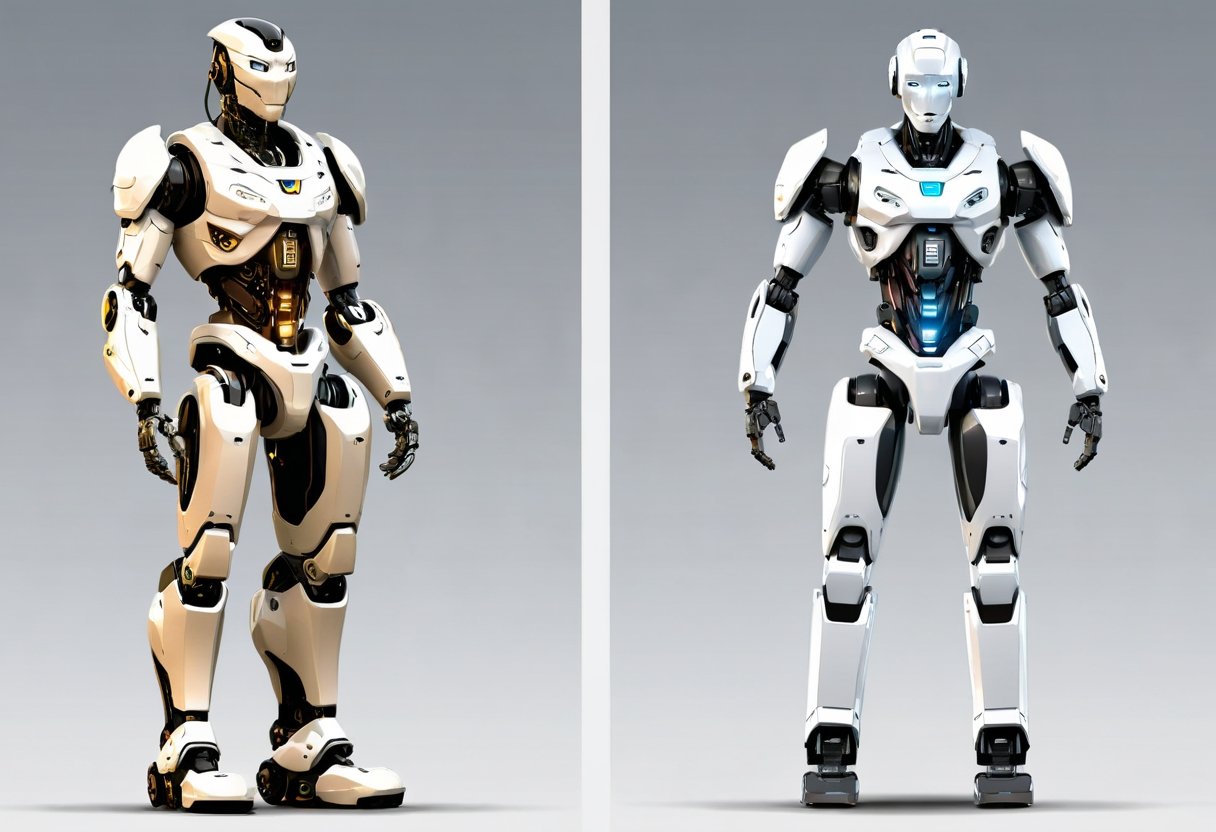
    Researchers in China have made a significant breakthrough in robotics by developing a neuromorphic robotic electronic skin that enables humanoid robots to sense touch and pain in a manner similar to humans. This innovative technology, inspired by the human nervous system, has the potential to revolutionize the field of robotics, particularly in areas requiring empathetic human-robot interaction.

    How the Reflex System Works

    The e-skin is designed with a hierarchical, neural-inspired architecture that allows for high-resolution touch sensing, active pain and injury detection, and modular quick-release repair. When a force exceeds a set threshold, the skin triggers an immediate reflex by sending a high-voltage signal directly to the motors, bypassing the central processor. This rapid response is akin to human reflexes, enabling the robot to react instinctively to harmful contact.

    Advancements and Implications

    According to Source 1, the technology, described in a paper published in the journal PNAS, allows robots to sense contact, recognize potentially damaging force, and respond almost instantly with protective movements. Source 2 highlights that this design significantly improves robotic touch, safety, and intuitive human-robot interaction for empathetic service robots. The development of such e-skin technology is a step towards creating robots that can interact with their environment in a more human-like way, which is crucial for applications in healthcare, service industries, and beyond.

    Technical and Practical Insights

    The e-skin consists of magnetic, modular patches that can be quickly detached and replaced, allowing for rapid maintenance and repair of damaged sections. This feature not only enhances the durability of the robot but also reduces downtime, making it more efficient for practical use. As noted in Source 3, the neuromorphic robotic e-skin features hierarchical, neural-inspired architecture, enabling high-resolution touch sensing and active pain and injury detection with local reflexes.

    Future Outlook and Market Impact

    The development of robots with the capability to sense and respond to pain like humans opens up new avenues for robot application in sensitive environments, such as in direct interaction with humans, especially in fields like nursing and personal assistance. As Source 4 suggests, this technology is a significant step towards making humanoid robots more responsive and safer, which could lead to increased adoption in various sectors.

    Conclusion and Future Directions

    In conclusion, the creation of a robot with e-skin that can sense and feel pain is a groundbreaking achievement. It not only showcases the advancements in robotics and artificial intelligence but also underscores the potential for more sophisticated and empathetic human-robot interactions. As this technology continues to evolve, we can expect to see more integrated and responsive robots that can seamlessly interact with their human counterparts.

  • Humanoid Robots: The Future of Tech?

    Humanoid Robots: The Future of Tech?

    Introduction to Humanoid Robots

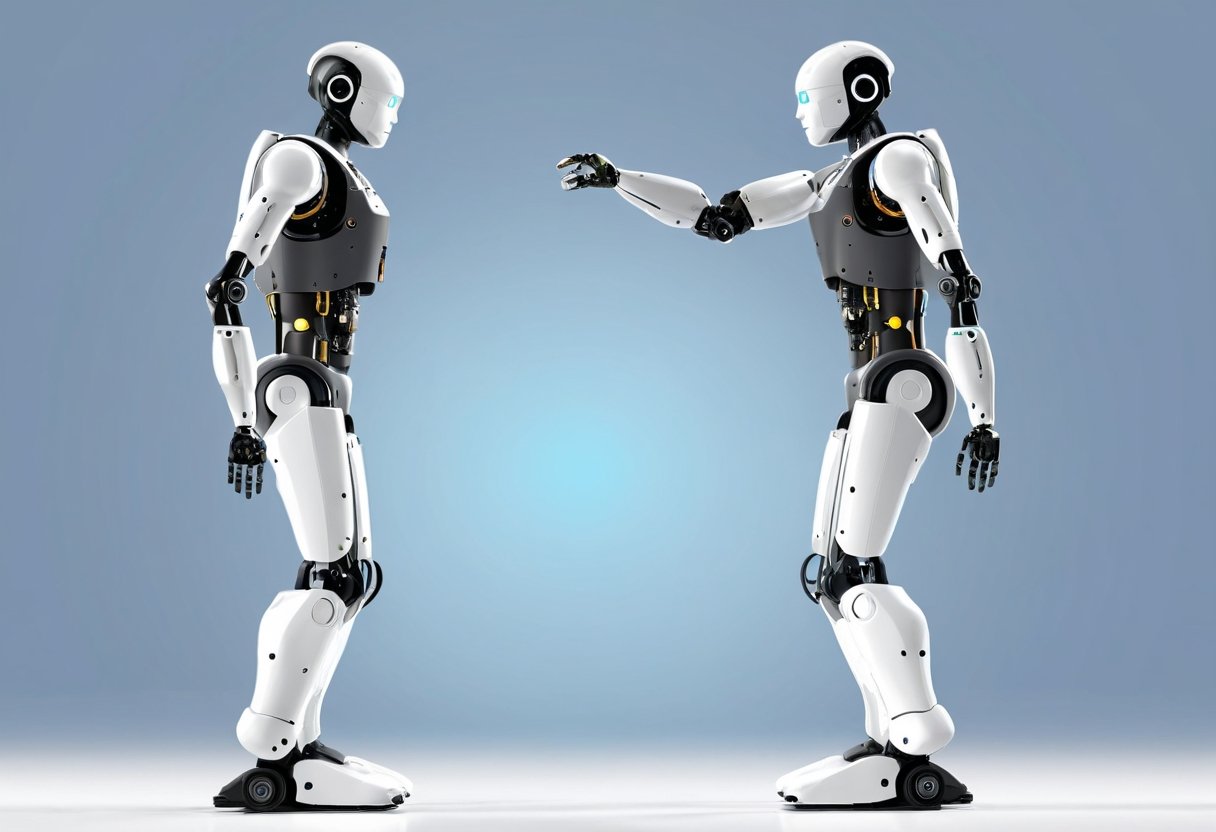
    Humanoid robots have long been a topic of interest in the tech world. With the commercial boom in artificial intelligence, the development of humanoid robots has gained significant traction. According to Modar Alaoui, founder of the Humanoids Summit, many researchers believe that humanoids or some other kind of physical embodiment of AI are “going to become the norm.”

    The Current State of Humanoid Robots

    The humanoid space has a very, very big hill to climb, said Cosima du Pasquier, co-founder of Haptica Robotics. There’s a lot of research that still needs to be solved. Despite the challenges, companies like Disney are making significant strides in the field. Disney’s contribution to the field, a walking robotic version of “Frozen” character Olaf, will be roaming on its own through Disneyland theme parks in Hong Kong and Paris early next year.

    The Role of AI in Humanoid Robots

    The same technical advances that made AI chatbots so good at language have played a role in teaching robots how to get better at performing tasks. Paired with computer vision, robots powered by “visual-language” models are trained to learn about their surroundings. This technology has the potential to revolutionize the way we interact with robots and could lead to the development of more advanced humanoid robots.

    The Future of Humanoid Robots

    While we are still far from having truly humanlike robots, the progress being made in the field is significant. According to McKinsey & Company, about 50 companies around the world have raised at least $100 million to develop humanoids, led by about 20 in China and 15 in North America. China is leading in part due to government incentives for component production and robot adoption and a mandate last year “to have a humanoid ecosystem established by 2025,” said McKinsey partner Ani Kelkar.

    In conclusion, humanoid robots are an exciting and rapidly evolving field. While there are still many challenges to overcome, the potential benefits of these robots are significant. As the technology continues to advance, we can expect to see more advanced humanoid robots that are capable of performing a wide range of tasks.

  • Revolutionizing Brain Surgery with MRI-Guided Neurosurgery

    Revolutionizing Brain Surgery with MRI-Guided Neurosurgery

    Introduction to MRI-Guided Neurosurgery

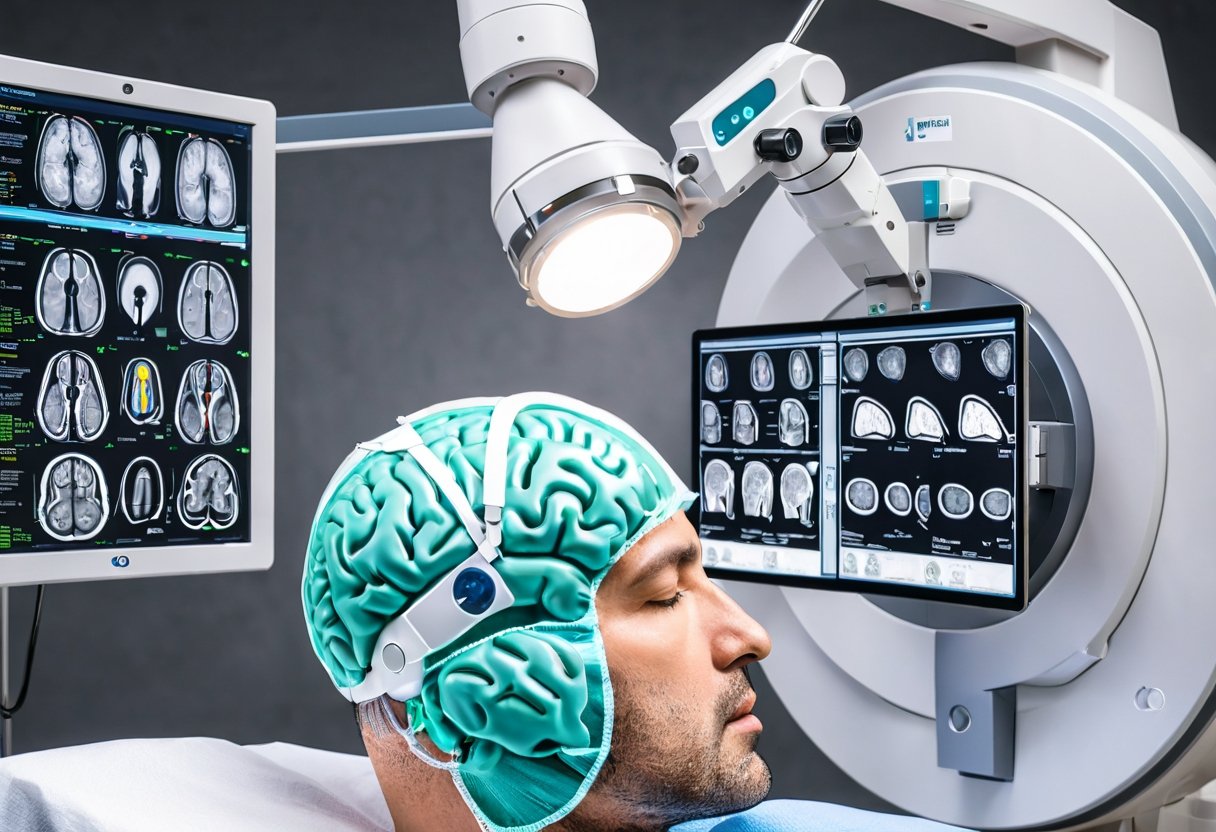
    MRI-guided neurosurgery is transforming the field of brain surgery by providing unprecedented precision and improving patient outcomes. This innovative approach combines real-time imaging, artificial intelligence, and robotics to redefine surgical precision. According to Faisal Ahmad, the integration of AI, robotics, and real-time imaging into surgical workflows is pushing the boundaries of what’s surgically possible, offering new hope to patients with complex neurological conditions.

    Why Is MRI-Guided Neurosurgery the Future of Precision Medicine?

    MRI-guided neurosurgery represents a significant leap in technological evolution, redefining surgical precision. By combining real-time visualization, AI-driven analytics, and robotic stability, it allows surgeons to operate with confidence and adaptability. As noted in Source 1, this integration is pushing the boundaries of what’s surgically possible, offering new hope to patients with complex neurological conditions.

    Role of Robotics in Neurosurgery

    Robotics in neurosurgery has been evolving over the years, with significant advancements in recent times. According to Source 2, the role of robotics in neurosurgery is less defined in certain segments, but available technology shows promising results in bringing a paradigm shift in other areas of neurosurgery. The development of robot-assisted microsurgery systems, such as the one developed by NASA in 1995, has been a major noteworthy advancement, using MRI for real-time imaging and better visualization of anatomical structures.

    MRI-Guided Robotic Positioner to Enhance Neurosurgery Precision

    The MRI-guided robotic positioner is a key breakthrough in MRI-guided stereotactic neurosurgery, allowing for precise interventions. As stated in Source 3, this system is capable of assisting with interventions involving cannula/needle targeting, including deep brain stimulation (DBS), for the treatment of movement disorders like Parkinson’s disease. The system can eliminate intrinsic errors in conventional frame-based stereotaxis, increasing insertion precision and securing surgical outcomes.

    New MRI Technology Improves Imaging Guidance for Neurosurgery

    New MRI technology is improving imaging guidance for neurosurgery, providing a paradigm-shifting approach for the more than 1.3 million people in the U.S. living with a brain tumor. According to Source 4, this technology could revolutionize how neurosurgeons make decisions, providing new understanding of the brain’s frontal cortex, an important center of cognition. The ability to collect both functional and metabolic information simultaneously could provide neurosurgeons with a new level of precision to delineate spatial margins between brain tumors and adjacent eloquent cortex, maximizing tumor resection while preserving important brain function.

    Conclusion

    In conclusion, MRI-guided neurosurgery is transforming the field of brain surgery, providing unprecedented precision and improving patient outcomes. The integration of AI, robotics, and real-time imaging into surgical workflows is pushing the boundaries of what’s surgically possible, offering new hope to patients with complex neurological conditions. As this technology continues to evolve, we can expect to see significant improvements in the field of neurosurgery, leading to better patient outcomes and more effective treatments for complex neurological conditions.

Oh hi there 👋
It’s nice to meet you.

Sign up to receive awesome content in your inbox, every Day.

We don’t spam! Read our privacy policy for more info.