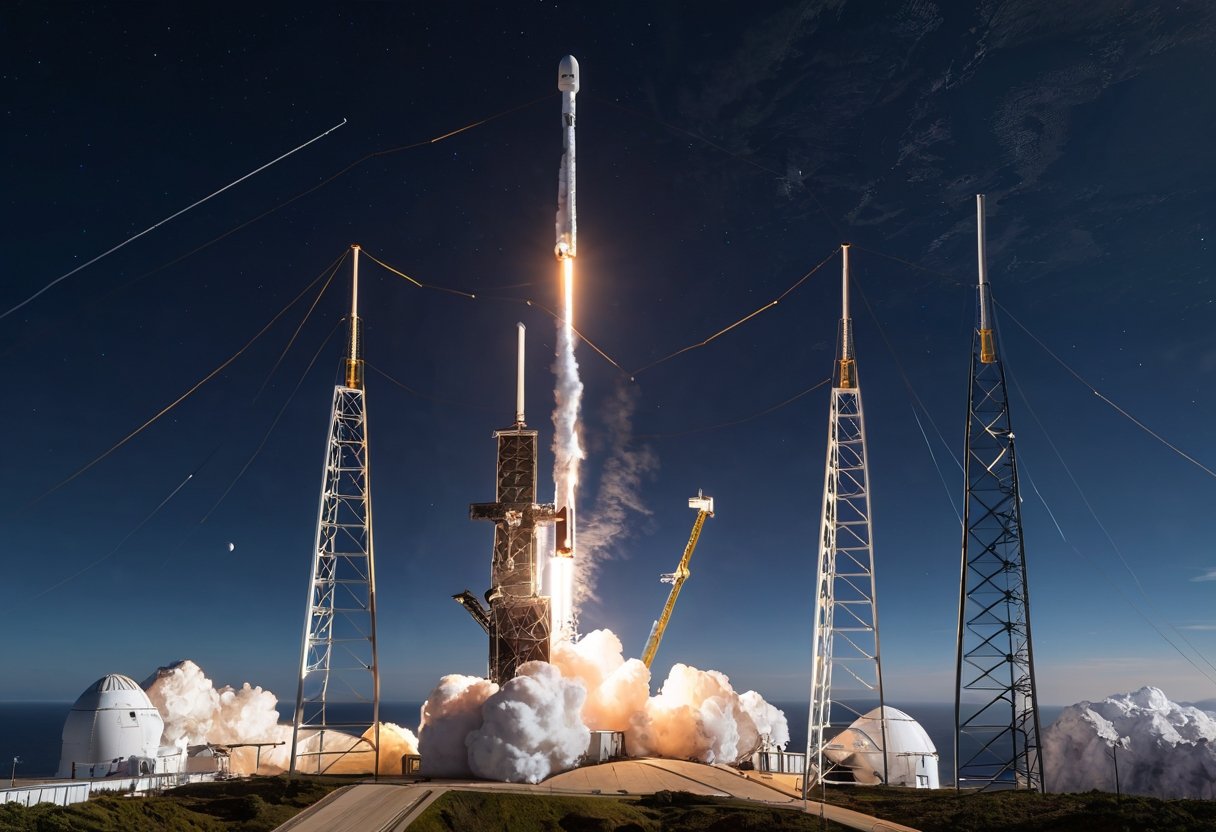
Introduction to Starlink Satellites
SpaceX, owned by Elon Musk, is planning to lower the orbits of approximately 4,400 Starlink satellites in 2026 due to space safety concerns. According to Michael Nicholls, SpaceX’s vice-president of engineering, the satellites will be brought down from an altitude of 550 kilometers to 480 kilometers throughout the year.
Reasons for Lowering the Satellites
The main reason for this move is to reduce the risk of collisions with other satellites and space debris. By lowering the satellites, SpaceX aims to decrease the time it takes for a satellite to decay or approach the end of its life by more than 80 percent. Additionally, there are fewer satellites operating at an altitude of less than 500 kilometers from the Earth’s surface, which will reduce the collision risk.
Impact on Space Safety
Lowering the satellites will increase space safety in several ways. With fewer satellites at higher altitudes, the likelihood of collisions will decrease, reducing the risk of damage to other satellites and spacecraft. Furthermore, the lower orbit will allow the satellites to deorbit faster, reducing the amount of space debris in Earth’s orbit.
Technical Details
The maneuver will involve shifting more than 4,400 satellites, which make up nearly half of SpaceX’s Starlink fleet. At the end of 2025, SpaceX had nearly 9,400 working satellites in orbit, including more than 8,000 Starlinks in operational service and hundreds more undergoing tests and activation.
Market Impact and Future Implications
The move is expected to have a significant impact on the market, as it will reduce the risk of collisions and increase space safety. This, in turn, will make space travel and satellite operations more reliable and efficient. The future implications of this move are significant, as it will pave the way for more satellite constellations and space missions.
Conclusion
In conclusion, SpaceX’s decision to lower the orbits of its Starlink satellites is a significant step towards increasing space safety. By reducing the risk of collisions and increasing the efficiency of satellite operations, SpaceX is setting a new standard for the industry. As the space industry continues to grow and evolve, it is essential to prioritize space safety and take proactive measures to mitigate risks.
