Tag: SpaceX

  • SpaceX Files for IPO: What This Means for Elon Musk and the Future

    SpaceX Files for IPO: What This Means for Elon Musk and the Future

    Introduction to SpaceX’s IPO

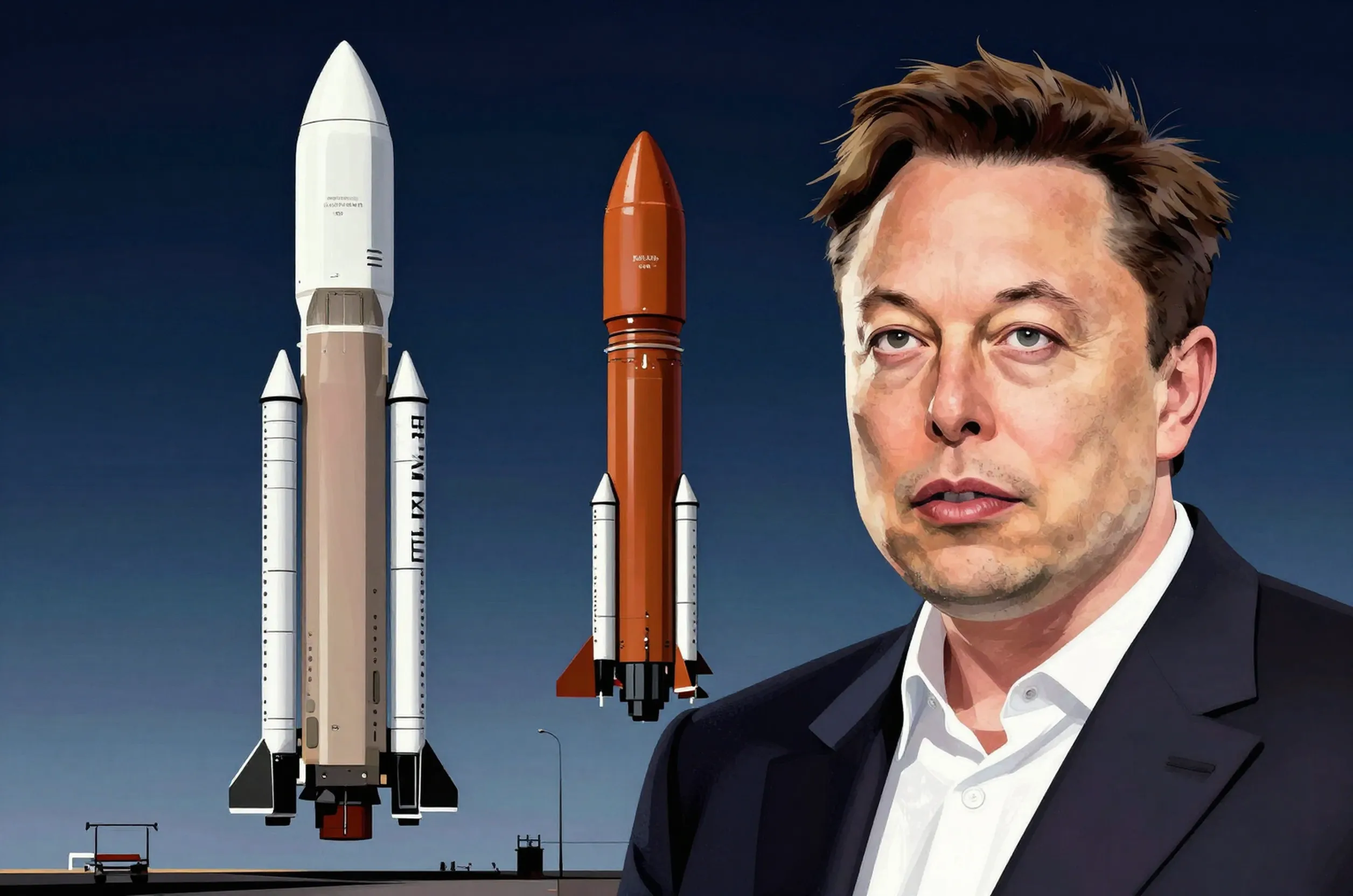
    According to recent reports from ABC7 and Reuters, SpaceX has filed preliminary paperwork to sell shares to the public, a move that could make its founder, Elon Musk, the world’s first trillionaire. This blockbuster offering is expected to be one of the biggest Wall Street events of the year, with several investment banks lining up to help raise tens of billions to fund Musk’s ambitious projects.

    SpaceX’s Ambitions

    SpaceX aims to set up a base on the moon, put datacenters the size of several football fields in orbit, and possibly one day send a man to Mars. With its reusable rockets and satellite communications company, Starlink, SpaceX is already a major player in the space industry. As Forbes magazine estimates Musk’s net worth at roughly $823 billion, this IPO could push him over the trillion-dollar mark.

    Expert Insights and Analysis

    Experts like Minmo Gahng, assistant professor of finance at Cornell University, note that a likely dual-class share structure would let Musk tap public capital while retaining firm control. However, questions about Musk’s ability to oversee multiple companies with market values exceeding $1 trillion could temper investor enthusiasm.

    Market Impact and Future Implications

    This IPO could have significant implications for the market and the future of space exploration. As Investopedia reports, the company’s offering could eclipse the $29 billion raised by Saudi Aramco in its 2019 IPO. With SpaceX’s valuation potentially reaching $1.5 trillion, this could be a game-changer for the industry.

  • SpaceX Starlink Satellites to Lower Orbit in 2026

    SpaceX Starlink Satellites to Lower Orbit in 2026

    Introduction to Starlink Satellites

    SpaceX, owned by Elon Musk, is planning to lower the orbits of approximately 4,400 Starlink satellites in 2026 due to space safety concerns. According to Michael Nicholls, SpaceX’s vice-president of engineering, the satellites will be brought down from an altitude of 550 kilometers to 480 kilometers throughout the year.

    Reasons for Lowering the Satellites

    The main reason for this move is to reduce the risk of collisions with other satellites and space debris. By lowering the satellites, SpaceX aims to decrease the time it takes for a satellite to decay or approach the end of its life by more than 80 percent. Additionally, there are fewer satellites operating at an altitude of less than 500 kilometers from the Earth’s surface, which will reduce the collision risk.

    Impact on Space Safety

    Lowering the satellites will increase space safety in several ways. With fewer satellites at higher altitudes, the likelihood of collisions will decrease, reducing the risk of damage to other satellites and spacecraft. Furthermore, the lower orbit will allow the satellites to deorbit faster, reducing the amount of space debris in Earth’s orbit.

    Technical Details

    The maneuver will involve shifting more than 4,400 satellites, which make up nearly half of SpaceX’s Starlink fleet. At the end of 2025, SpaceX had nearly 9,400 working satellites in orbit, including more than 8,000 Starlinks in operational service and hundreds more undergoing tests and activation.

    Market Impact and Future Implications

    The move is expected to have a significant impact on the market, as it will reduce the risk of collisions and increase space safety. This, in turn, will make space travel and satellite operations more reliable and efficient. The future implications of this move are significant, as it will pave the way for more satellite constellations and space missions.

    Conclusion

    In conclusion, SpaceX’s decision to lower the orbits of its Starlink satellites is a significant step towards increasing space safety. By reducing the risk of collisions and increasing the efficiency of satellite operations, SpaceX is setting a new standard for the industry. As the space industry continues to grow and evolve, it is essential to prioritize space safety and take proactive measures to mitigate risks.

  • Elon Musk Revives Dogecoin Promise

    Elon Musk Revives Dogecoin Promise

    Introduction to Dogecoin and Elon Musk’s Promise

    Elon Musk has once again turned his attention to Dogecoin (DOGE), stating ‘it’s time’ for the cryptocurrency. This statement has reignited interest in Dogecoin, which was previously fueled by Musk’s promise to send a literal Dogecoin to the moon via SpaceX’s DOGE-1 mission.

    The DOGE-1 Mission

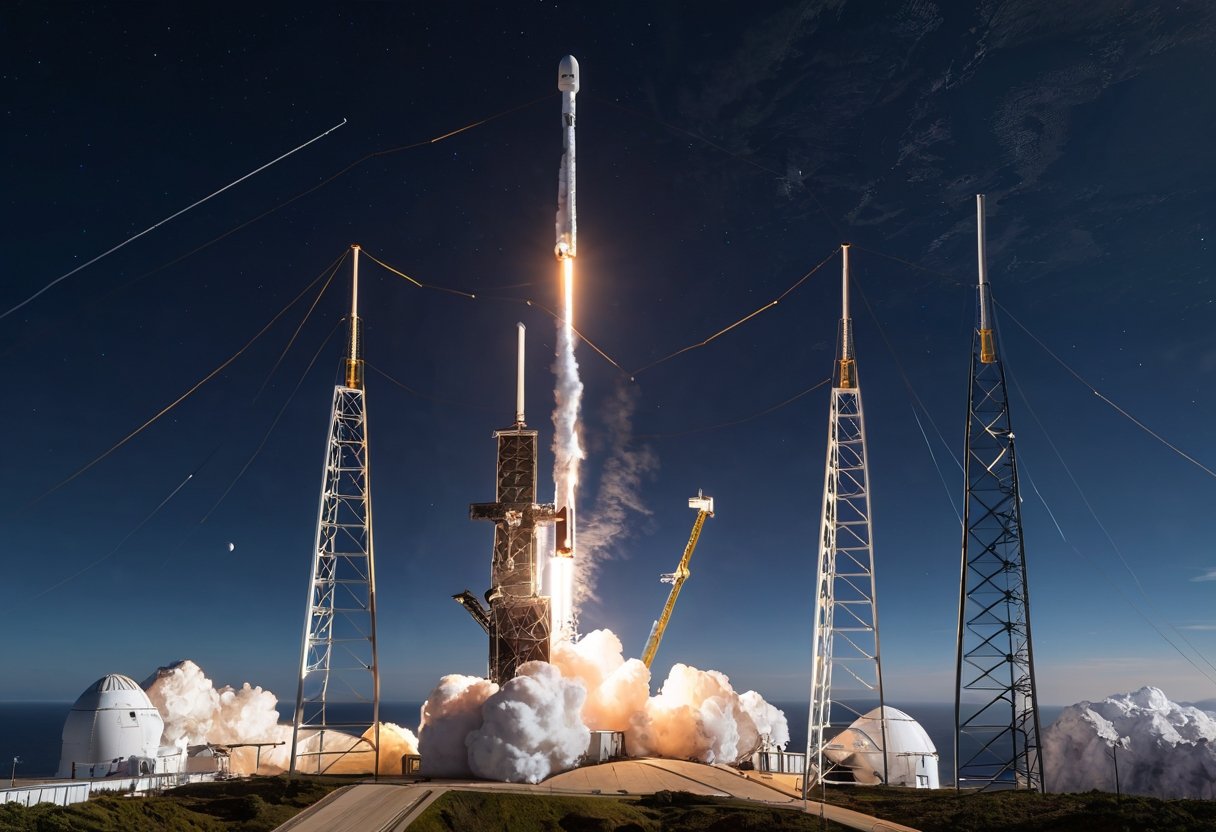
    The DOGE-1 mission is a CubeSat mission developed by Canadian company Geometric Energy Corporation (GEC) and funded entirely in Dogecoin. The payload will ride aboard a SpaceX Falcon 9 rocket, marking the first space mission fully financed with a cryptocurrency.

    Market Impact and Reaction

    Elon Musk’s fascination with Dogecoin has moved its market, with the coin reaching a market capitalization above $80 billion at its peak. Despite recent losses, DOGE remains up 13% year-to-date, supported by Musk’s renewed attention and retail interest.

    Technical Analysis

    From a technical perspective, Dogecoin’s price surge in 2021 was largely driven by Musk’s tweets and the accompanying press push. The DOGE-1 mission has been billed as proof that crypto can function as a unit of account in space commerce.

Oh hi there 👋
It’s nice to meet you.

Sign up to receive awesome content in your inbox, every Day.

We don’t spam! Read our privacy policy for more info.