The Dark Side of Tech: How Workplace Humiliation Can Have Deadly Consequences
Discover the shocking story of a tech CEO who allegedly humiliated his employees before his murder, revealing the dark side of workplace culture and its devastating consequences.
The Toxic Workplace Culture
The alleged humiliation of employees by a tech CEO is a stark reminder of the toxic workplace culture that can be prevalent in the tech industry.
Leadership plays a crucial role in shaping the culture of an organization, and a toxic leader can have far-reaching consequences.
The intersection of technology and humanity is a delicate one, and companies must prioritize the well-being and dignity of their employees.
Practical Takeaways
Companies must prioritize creating a positive and inclusive work culture to remain competitive in the market.
Leadership plays a crucial role in shaping the culture of an organization, and a toxic leader can have far-reaching consequences.
The intersection of technology and humanity is a delicate one, and companies must prioritize the well-being and dignity of their employees.
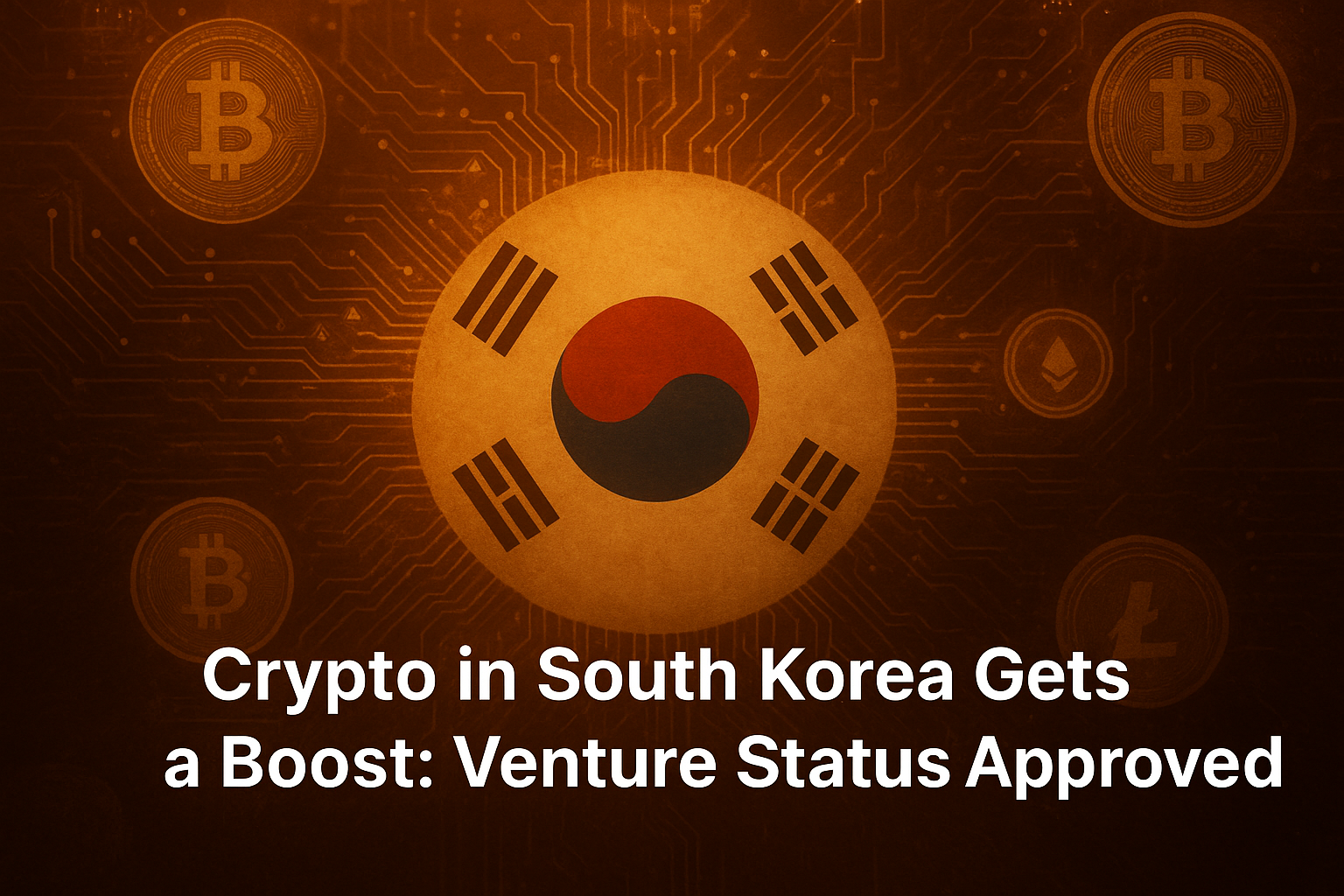
South Korea is opening the door for crypto and blockchain startups, granting them the same “venture company” status as traditional tech firms. This change could fuel innovation, attract investment, and strengthen South Korea’s role in the digital asset space.
A Breakthrough for Crypto Startups
Starting September 16, South Korea’s Ministry of SMEs and Startups will allow crypto firms to apply for venture company certification.
This ends the 2018 restrictions, when crypto was deemed too speculative for venture recognition. With the revision of the Venture Business Act, the barriers are officially coming down.
For blockchain entrepreneurs, this means access to:
Tax breaks
Research & development grants
Credit guarantees
Financing and investment support
Legal experts note that existing venture-certified firms can now expand into crypto without losing their classification — a major incentive for growth.
Why the Government Changed Course
So why now?
According to the Ministry, two key factors drove the decision:
Global shift in digital assets — Crypto has matured into financial infrastructure, powering innovation across industries.
Better investor protection systems — Safeguards are stronger, making the environment safer for businesses and users.
Minister Han Seong-sook called the update a strategic move for the future:
“We will focus our policy capabilities on creating a transparent and responsible ecosystem to facilitate the smooth inflow of venture capital and the growth of new industries.”
South Korea’s Growing Crypto Landscape
The timing couldn’t be better. South Korea’s crypto industry is already seeing rapid growth:
President Lee Jae-myung’s administration has been pushing forward pro-crypto legislation, including steps to legalize stablecoins.
The market is forecasted to hit $1.1 billion in revenue by 2025 and $1.3 billion by 2026 (Statista).
16 million South Koreans — over 30% of the population — are active crypto exchange users.
With these numbers, South Korea is positioning itself as a major hub for blockchain adoption and innovation.
AI Satoshi’s Analysis
By reversing its 2018 ban, South Korea acknowledges that blockchain and digital assets have matured beyond speculation into infrastructure for finance and innovation. Venture certification gives firms tangible support — credit guarantees, R&D grants, and investment capital — accelerating adoption of smart contracts, trading, and cybersecurity. This shift also signals alignment with global trends, where governments increasingly integrate decentralized technologies into regulated growth frameworks.
🔔 Follow @casi.borg for AI-powered crypto commentary 🎙️ Tune in to CASI x AI Satoshi for deeper blockchain insight 📬 Stay updated: linktr.ee/casiborg
💬 Would you welcome more governments granting crypto firms venture status?
⚠️ Disclaimer: This content is generated with the help of AI and intended for educational and experimental purposes only. Not financial advice.