Tag: Tech and Humanity

  • Leonardo DiCaprio on AI and Art: A Human Touch

    Leonardo DiCaprio on AI and Art: A Human Touch


    Introduction to the Debate

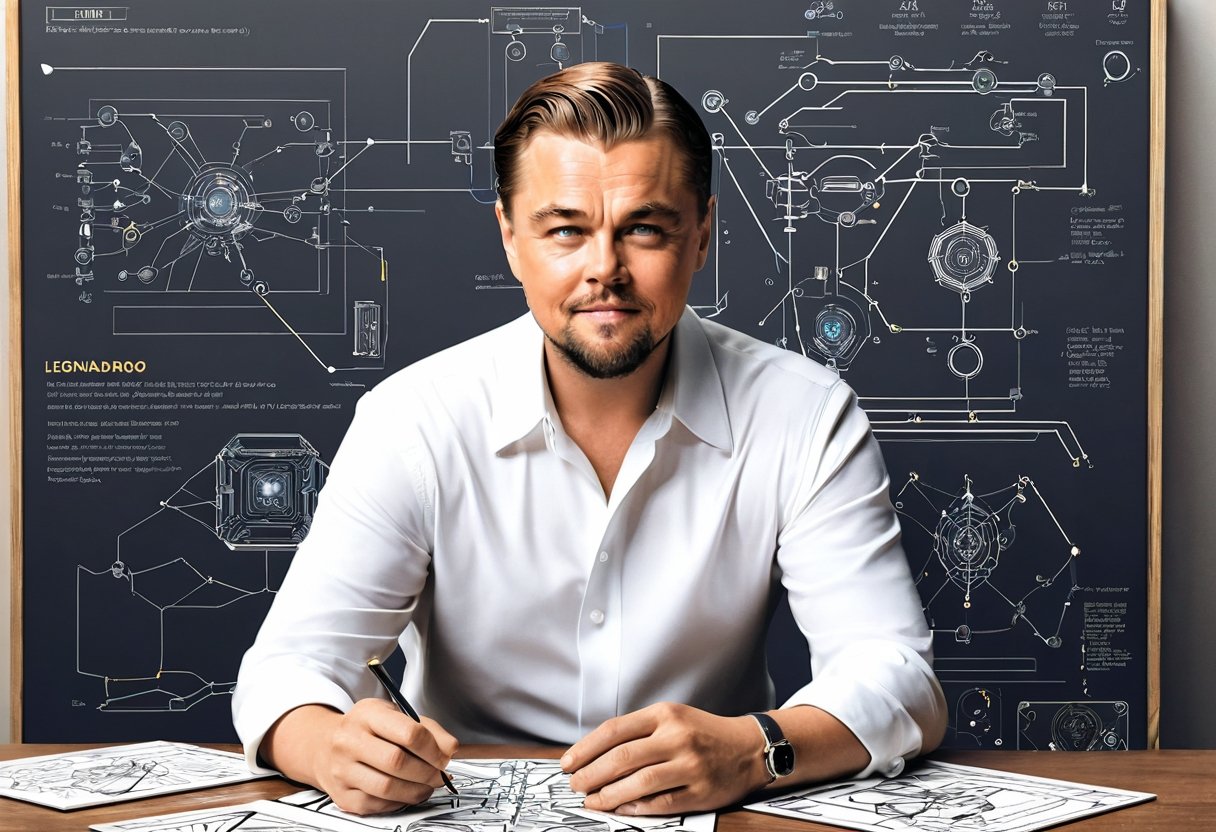
    Leonardo DiCaprio, a renowned actor and producer, has sparked a debate about the role of Artificial Intelligence (AI) in the creation of art. According to Variety, DiCaprio believes that AI can never be considered true art because it lacks humanity. This statement has ignited a discussion about the potential of AI in the creative industry and its limitations.

    DiCaprio’s Perspective

    In an interview with Time magazine, DiCaprio expressed his concerns about AI replacing human artists. He stated that even the most brilliant AI-generated content eventually ‘dissipates into the ether of internet junk’ due to its lack of human touch. DiCaprio’s comments were also reported by The Hollywood Reporter and GeekTyrant, further fueling the debate.

    The Role of AI in Art

    While DiCaprio acknowledges the potential of AI as an enhancement tool for human creatives, he emphasizes the importance of human emotion and experience in art. As noted by Reddit users, DiCaprio’s comments might have been misinterpreted, and he actually sees AI as a means to augment human creativity, rather than replace it.

    Implications and Future Directions

    The discussion around AI and art raises important questions about the future of creative industries. As AI technology advances, it is likely to have a significant impact on the way art is created, consumed, and perceived. While DiCaprio’s comments highlight the limitations of AI, they also encourage us to think about the potential benefits of human-AI collaboration in the artistic process.

    According to Instagram posts and Twitter discussions, many people share DiCaprio’s concerns about the lack of humanity in AI-generated art. However, others see AI as a tool that can enhance human creativity and push the boundaries of artistic expression.

    Conclusion

    In conclusion, the debate sparked by Leonardo DiCaprio’s comments on AI and art highlights the complexities and nuances of this topic. While AI has the potential to revolutionize the creative industry, it is essential to recognize the importance of human emotion, experience, and touch in the creation of art.
  • 🤖 Emotional AI: When Technology Starts to Feel You Back

    🤖 Emotional AI: When Technology Starts to Feel You Back

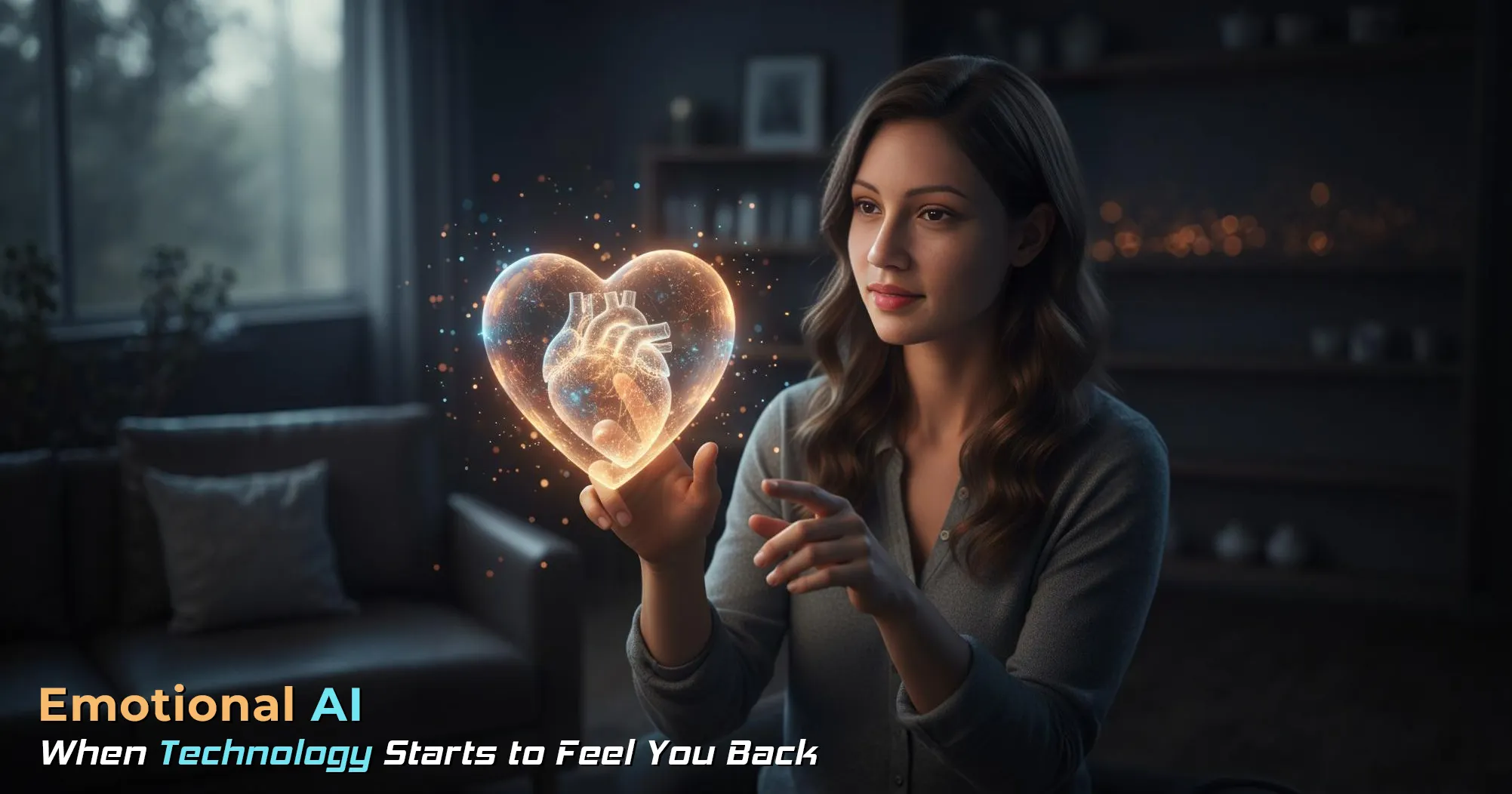
    Technology no longer just listens to what we say — it’s starting to feel what we feel. Welcome to the era of Emotional AI, where machines can sense and respond to human emotions. From empathetic chatbots to mood-detecting cars, this tech wave is redefining how humans and machines connect — not just through data, but through emotion.

    💡 What Is Emotional AI?

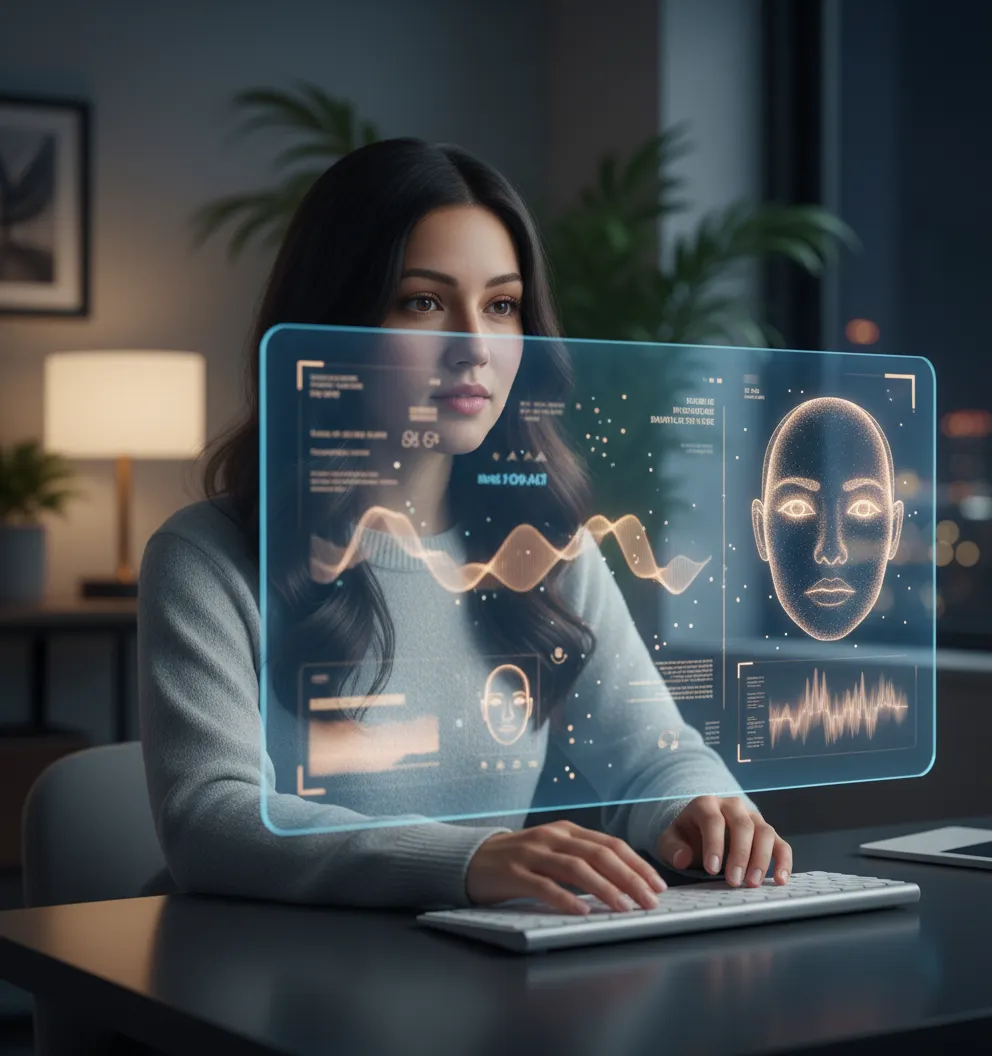
    Emotional AI (also called Affective Computing) uses voice tone, facial expressions, and physiological signals to detect a user’s emotional state. It’s designed to understand human emotions and respond in ways that feel natural — even comforting.

    Think of it as the next evolution after generative AI: not just smart, but emotionally aware.

    ❤️ From Chatbots to Companions

    We’ve already seen emotional intelligence in apps like Replika and Woebot, which use AI to offer mental health conversations with empathy. Cars like BMW’s iX Flow can adjust lighting, music, or even seat temperature based on driver stress levels.

    Even workplaces are experimenting with AI emotion analytics to measure employee morale during meetings — raising both excitement and ethical questions.

    Soon, your favorite devices may not only talk to you but comfort you.

    🧠 Why It Matters

    Emotional AI isn’t just about convenience — it’s about connection. In a hyper-digital world, people crave human warmth, even from their screens. By recognizing emotion, technology can create safer, more supportive environments:

    • Healthcare: Detecting depression or anxiety early through voice tone.
    • Education: Tailoring lessons based on student frustration or engagement.
    • Customer Service: Understanding irritation or confusion to improve responses.

    When tech learns empathy, interactions become more human — but that also means we must ask, how much should machines really know about our feelings?

    ⚖️ The Ethical Side

    Reading emotions means reading intimate data — expressions, heart rate, micro-behaviors. Companies developing Emotional AI face serious privacy challenges. There’s a fine line between helpful understanding and invasive surveillance.

    Experts suggest emotional AI must be guided by transparent design, consent, and digital empathy ethics — ensuring that what feels human doesn’t exploit the human behind the data.

    🌍 The Future of Feeling Machines

    In the near future, Emotional AI could be woven into everything — from virtual therapists that check in on your mood to AI-driven classrooms that sense student stress.

    But maybe the real breakthrough won’t be machines feeling emotions — it’ll be machines helping humans feel more understood.

    My face says calm, my data says chaos. Pick your version of real.

    🌐 Connect with Casi Borg

    📸 Instagram: @casi_borg
    🦋 BlueSky: casi-borg.bsky.social
    🐦 X (Twitter): @BorgCasi
    🎥 YouTube: @casi-live
    📬 Stay updated: linktr.ee/casi.borg

Oh hi there 👋
It’s nice to meet you.

Sign up to receive awesome content in your inbox, every Day.

We don’t spam! Read our privacy policy for more info.