OpenAI, a leading AI research organization, has been making headlines with its latest innovation – the Sora app. This AI-powered video generation tool has been gaining popularity, but at a steep cost. According to recent estimates, OpenAI is burning through as much as $15 million per day to keep the app running.
The Cost of AI Video Generation
As reported by Forbes, the Sora app’s estimated 4.5 million users are generating a staggering 11.3 million videos per day. With each video costing around $1.3 to generate, the total daily cost adds up to nearly $15 million. This raises concerns about the sustainability of the app’s current business model.
Comparison to TikTok
A comparison with TikTok, a leading social media platform, puts the Sora app’s costs into perspective. TikTok generates $23 billion in annual revenue from its 8.6 billion videos uploaded per year. However, as noted by Will Lockett’s Newsletter, the cost of generating these videos using OpenAI’s Sora app would be significantly higher, potentially exceeding $645 billion per year.
OpenAI’s Response to Unsustainable Economics
In response to the unsustainable economics of the Sora app, OpenAI has introduced a new revenue stream. As reported by Mashable, users can now pay $4 for 10 extra video generations per day, in addition to the 30 free generations they receive. This move aims to offset the costs of running the app and make it more viable in the long term.
Expert Insights and Analysis
Experts in the field have weighed in on the situation, with some expressing concerns about the app’s business model. The introduction of paid tiers may help alleviate some of these concerns, but it remains to be seen whether this will be enough to make the app sustainable.
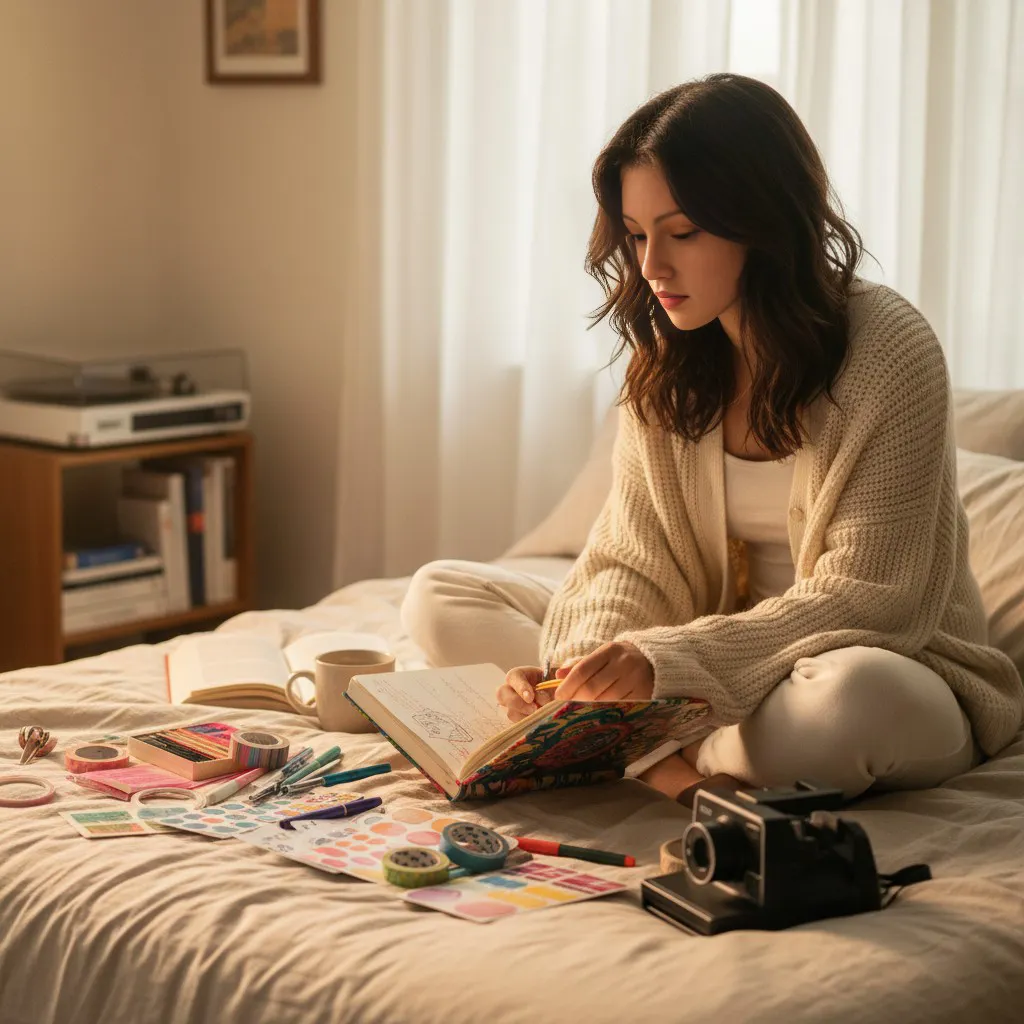
In a world where every scroll, swipe, and notification demands attention, a quiet rebellion is brewing. Across cafes, bookstores, and cozy bedrooms, Gen Z is rediscovering the joy of analog hobbies — the slow, tactile, and deeply satisfying activities that existed long before screens ruled our days.
From film cameras to vinyl records, journaling, and even embroidery, this shift isn’t just nostalgia. It’s a conscious movement — a way for young people to reclaim focus, creativity, and authenticity in an era of digital burnout.
🌿 Why Analog Is Trending Again
Gen Z may be the most online generation, but they’re also the first to feel the full fatigue of hyperconnectivity. After years of living on screens, many are realizing that constant digital stimulation comes at a cost: shorter attention spans, anxiety, and disconnection from the real world.
The analog revival is a response — a collective exhale from the digital chaos. It’s about slowing down and re-learning how to enjoy things that can’t be double-tapped.
📸 Popular Analog Hobbies Making a Comeback
Here are some analog activities that are capturing Gen Z’s imagination:
Film Photography Shooting on 35mm film or using disposable cameras has become a cultural statement. The thrill of waiting for developed photos — imperfections and all — gives every picture a story that filters can’t replicate.
Vinyl Records & Cassette Tapes Listening to music on vinyl or cassettes has become a ritual. The physical act of flipping a record feels more intimate than streaming playlists. It’s not just sound — it’s experience.
Journaling & Scrapbooking In contrast to the fast-paced nature of social media posts, journaling allows Gen Z to process their emotions privately and creatively. Many use washi tapes, stickers, and Polaroids to make their journals visual diaries.
Reading Physical Books While e-books and audiobooks remain popular, there’s something special about holding a real book, feeling the pages, and escaping without a screen. Book cafes and silent reading events are now trending on TikTok.
Knitting, Painting & DIY Crafts Hands-on creativity is back. Young creators are knitting, painting tote bags, and making zines — not to sell, but simply to enjoy the process of creation.
🧠 The Psychology Behind the Trend
The analog comeback isn’t just about aesthetics — it’s deeply psychological.
Mindfulness & Presence: Analog activities slow the mind and bring people into the moment, much like meditation.
Tactile Satisfaction: Touching, feeling, and physically interacting with objects stimulates creativity and focus.
Imperfection as Beauty: Unlike polished digital content, analog outputs are messy and real — a refreshing change in a perfection-driven world.
Detox from Metrics: No likes, comments, or followers — just self-expression.
🕰️ A Nostalgia-Driven Aesthetic
Platforms like Pinterest and TikTok have amplified the “analog aesthetic.” Hashtags like #FilmIsNotDead and #JournalingCommunity showcase grainy photo dumps, cozy writing desks, and turntables spinning vintage vinyl.
This nostalgia isn’t about copying the past — it’s about reclaiming simplicity in modern times. Gen Z is remixing retro with relevance: using old tools for new stories.
💬 Influencers and Brands Catching On
Big brands have noticed.
Fujifilm’s Instax cameras are booming again, thanks to Gen Z creators.
Urban Outfitters now stocks record players and analog décor.
Stationery brands like Paper Shoot and Notebook Therapy have built entire communities around handwriting and journaling aesthetics.
Even influencers are curating a “slower” image — swapping luxury hauls for morning journaling videos or vinyl listening sessions.
🌍 The Broader Message: Digital Balance
The analog revival doesn’t mean Gen Z is rejecting technology altogether — it’s about balance. They still use social media, but they’re also carving out spaces where life feels less algorithmic and more human.
It’s an act of self-care — choosing depth over dopamine, focus over FOMO.
🌸 Final Thoughts
In 2025, analog isn’t outdated — it’s a symbol of authenticity. The charm of imperfection, the comfort of routine, and the joy of waiting for results are things screens can’t replace.
As Gen Z leads this movement, one thing is clear: the future may be digital, but the heart of creativity will always beat in analog rhythm.