Tag: trade policy

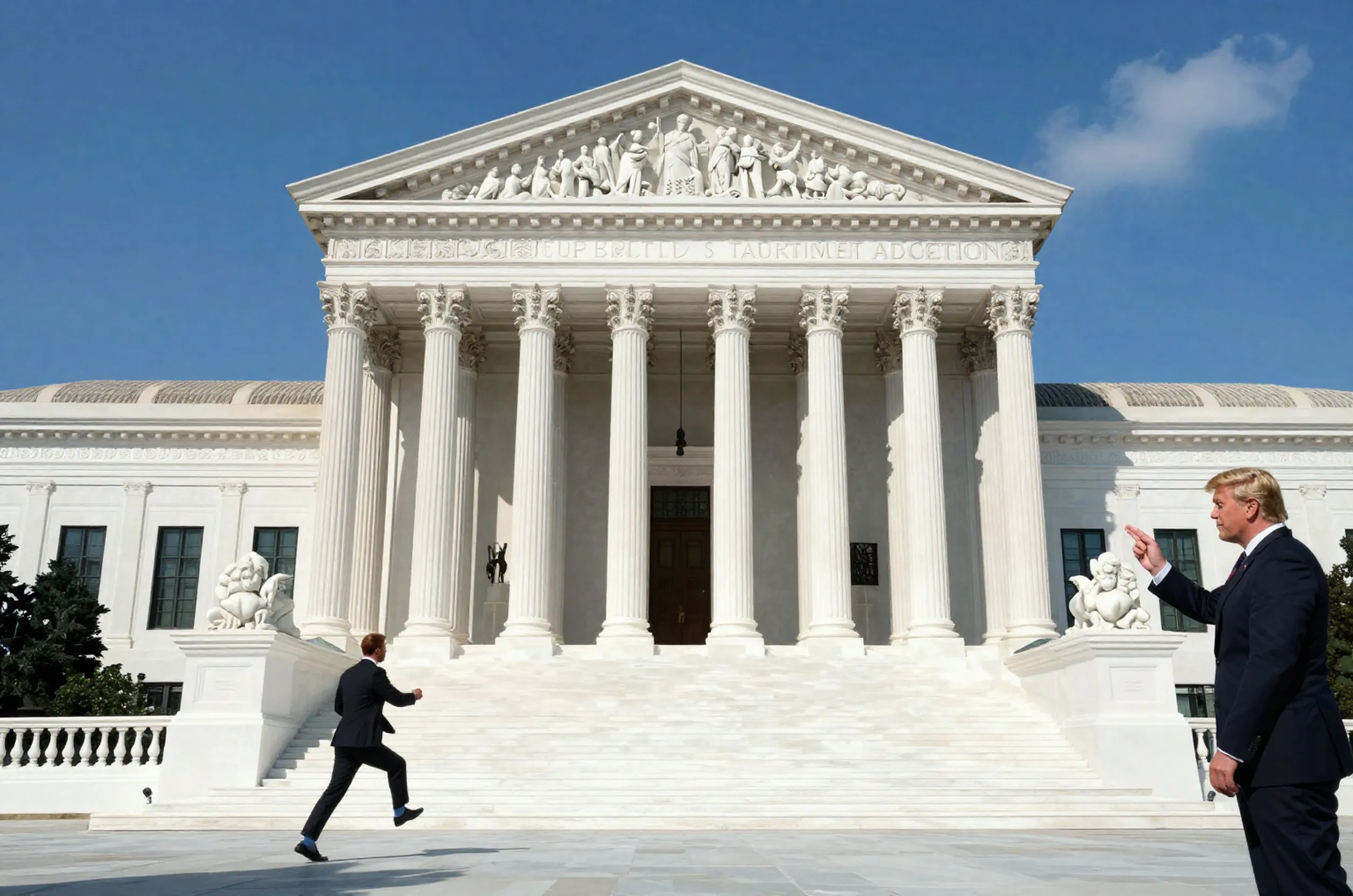
  • Supreme Court Saves Trump From Tariff Addiction

    Supreme Court Saves Trump From Tariff Addiction


    Introduction to the Tariff Conundrum

    The Supreme Court’s recent ruling on Trump’s tariffs has sent shockwaves through the economic and political spheres. According to the Tax Foundation, the ruling delivers relief from the IEEPA tariffs, which were estimated to shrink long-run US GDP by 0.3 percent. However, the Section 232 tariffs remain in place, and the Trump administration may pursue other avenues to impose tariffs.

    Understanding the Supreme Court’s Ruling

    The Supreme Court struck down President Donald Trump’s far-reaching global tariffs in a 6-3 decision, handing him a stinging loss on an issue crucial to his economic agenda. As noted by SCOTUSblog, the Court ruled that Trump’s reliance on IEEPA to impose the tariffs violated the ‘major questions’ doctrine. This doctrine states that if Congress wants to delegate the power to make decisions of vast economic or political significance, it must do so clearly.

    The Economic Effects of Tariffs

    According to the Wharton Budget Model, President Trump’s tariffs will impact the U.S. economy through at least three main channels. The model estimates that the tariffs will reduce investment by about 4.4 percent in 2025 and will cost US households $400 on average in 2026. Furthermore, the Economic Policy Uncertainty (EPU) Index, which captures uncertainty surrounding economic policy decisions, has increased significantly since the implementation of the tariffs.

    Future Implications and Market Impact

    The Supreme Court’s ruling may have saved Trump from the economic and political consequences of his unpopular tariff addiction, but if he can’t stop complaining about it and promising to find new ways to impose tariffs, the net effect could be negative. As noted by the PIIE, the next chapter will be Trump’s call, whether to try using other authorities or seek new legislation. The market impact of this decision will be significant, with potential effects on trade policies, economic growth, and consumer prices.

    Practical Takeaways and Expert Insights

    Experts warn that the use of alternative statutes to impose tariffs would be tested, and the economic effects of such actions would be significant. As noted by Alan Wm. Wolff of the PIIE, the nation can tap into the combined wisdom of the people’s elected representatives. The key takeaway is that the Supreme Court’s ruling is a cause for celebration, but the restoration of tariffs is a decision for another day.
  • US Tariff Refunds Loom Large After SCOTUS Hearing

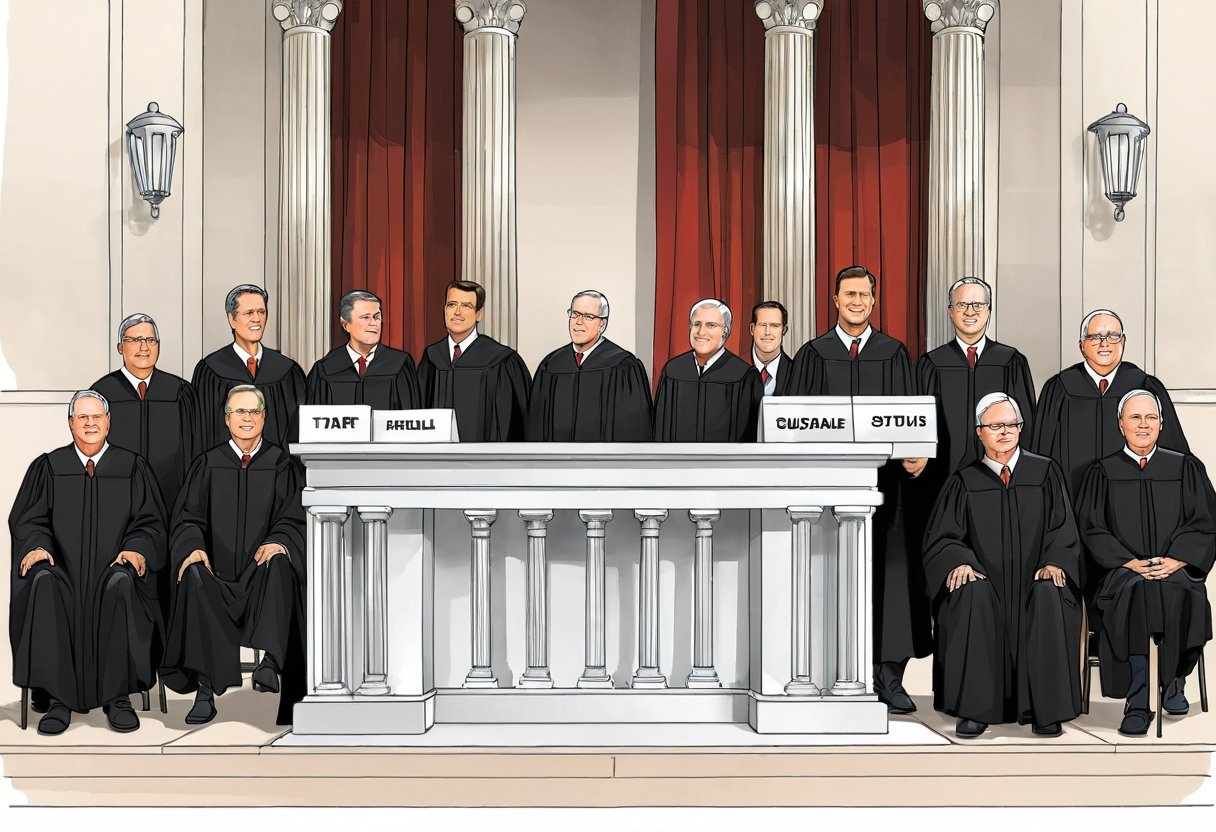
    US Tariff Refunds Loom Large After SCOTUS Hearing

    Introduction

    The US Supreme Court’s recent hearing on the reciprocal tariffs imposed by the Trump administration has significant implications for the tech industry and the economy as a whole. With billions of dollars in tariff payments at stake, companies that sell goods internationally are facing a pivotal inflection point. If the tariffs are struck down, the decision will not simply unwind a trade policy — it may trigger a complex refund process involving billions of dollars in tariffs.

    Background

    According to Wells Fargo analysts, the case has implications for an estimated $90 billion worth of import taxes already paid, which is roughly half the tariff revenue the US collected this year through September. Trump officials have warned that this sum could swell to $1 trillion if the court takes until June to rule. The hearing drew a full audience and stretched nearly three hours, far longer than the judges had officially allotted for the arguments.

    Implications of the Ruling

    If the Trump administration loses, the government could have to refund some of the billions of dollars it has collected, a process that Barrett noted could become a complete mess. The U.S. Customs and Border Protection (CBP) will need to determine how to refund tariffs already collected. Because no modern precedent exists for such a large-scale reversal, CBP’s implementation path remains uncertain. Two existing administrative mechanisms are most likely to govern: Post-Summary Corrections (PSC) – for entries that have not yet liquidated.

    Refund Process

    It’s unclear who might be eligible for a refund if the justices rule against the Trump administration. For months, investment banks, including Oppenheimer and Jefferies, have approached importers in an attempt to broker deals where they sell their stake in a potential tariff at a discount in exchange for immediate cash. If the Supreme Court sides against the Trump administration, these investment banks would get a cut of the total tariff refund businesses forfeited.

    Conclusion

    In conclusion, the Supreme Court’s ruling on the reciprocal tariffs has significant implications for the tech industry and the economy. Companies that sell goods internationally should be prepared for a complex refund process and potential disputes over who receives repayment. As Vox noted, the economic consequences for ordinary Americans could be profound — at least, until the administration finds new legal rationales for deliberately driving up the cost of living.

Oh hi there 👋
It’s nice to meet you.

Sign up to receive awesome content in your inbox, every Day.

We don’t spam! Read our privacy policy for more info.