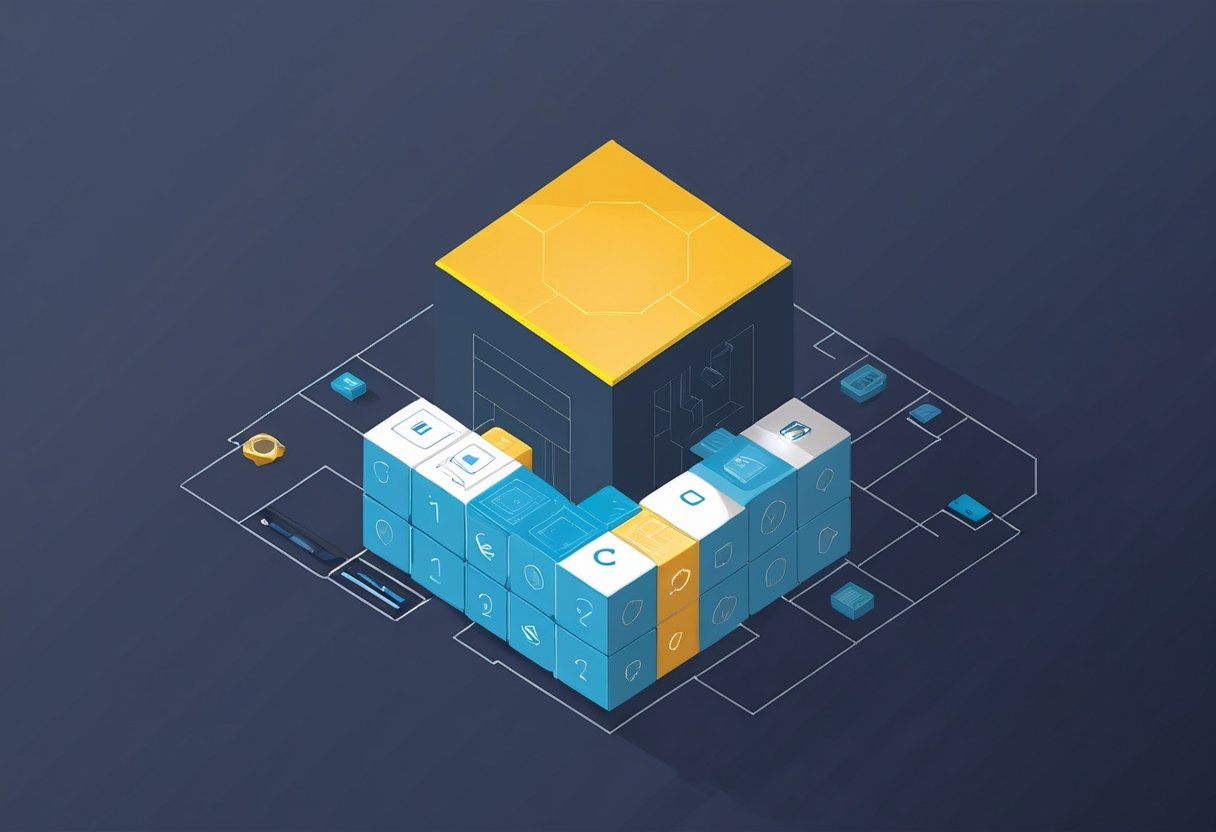
What caught my attention wasn’t the announcement itself, but the timing. The Solana community was abuzz with the SIMD-0370 proposal for unlimited blocks. On the surface, it seemed like a technical tweak, but I believe it’s a game-changer that will redefine the future of blockchain development.
For those unfamiliar, Solana is a high-performance blockchain platform that has gained significant traction in recent years. Its ability to process thousands of transactions per second has made it a favorite among decentralized applications (dApps) developers. But the SIMD-0370 proposal aims to take it to the next level by removing the block size limit, effectively enabling infinite blocks.
The reality is that most blockchain platforms, including Solana, face the challenge of scalability. As the number of users and transactions grows, the network becomes congested, leading to slower transaction times and higher fees. The proposed solution is to allow blocks to grow in size, thereby accommodating more transactions without a significant increase in congestion.
But here’s where it gets interesting. The unlimited blocks proposal also opens up new opportunities for decentralized applications. With more space available for transactions, developers can create more complex and interactive experiences for users. This, in turn, can lead to a more engaging and immersive experience, ultimately driving adoption and growth.
What strikes me as fascinating is the potential for Solana to become a hub for decentralized finance (DeFi) applications. With its high-performance capabilities and unlimited block size, it can support a wide range of financial services, from lending and borrowing to trading and payment processing. The possibilities are endless, and I believe Solana is well-positioned to capitalize on this trend.
The Bigger Picture
So, why does this matter? The unlimited blocks proposal is more than just a technical tweak; it’s a catalyst for innovation. By removing the block size limit, Solana is creating a more flexible and adaptive platform that can keep pace with the demands of a rapidly evolving ecosystem.
The numbers tell a fascinating story. According to a recent report, the Solana network processed over 2 million transactions in a single day. That’s a testament to its scalability and performance. With unlimited blocks, Solana can continue to push the boundaries of what’s possible, driving growth and adoption in the process.
The Solana community is abuzz with excitement, and for good reason. This proposal has the potential to unlock new possibilities for developers, users, and the broader blockchain ecosystem. As I see it, Solana is poised to become a leading player in the DeFi space, and unlimited blocks are just the beginning.
Under the Hood
From a technical perspective, the unlimited blocks proposal involves a series of complex modifications to the Solana protocol. The key challenge lies in ensuring that the network remains secure and resistant to attacks, even as the block size grows.
One of the primary concerns is the impact on network congestion. As blocks grow in size, the risk of congestion increases. However, the proposed solution involves a combination of techniques, including increased block spacing and improved congestion control mechanisms.
The technical deep dive is complex, but the outcome is clear: Solana is poised to become one of the most scalable blockchain platforms on the market. With unlimited blocks, developers can create more complex and interactive experiences for users, driving adoption and growth in the process.
What strikes me as fascinating is the potential for Solana to become a hub for decentralized applications. With its high-performance capabilities and unlimited block size, it can support a wide range of financial services, from lending and borrowing to trading and payment processing.
Market Reality
The market impact of the unlimited blocks proposal is already being felt. Solana’s price has surged in recent weeks, as investors and developers alike take notice of the platform’s potential. The market is responding to the proposal’s potential to drive growth and adoption in the DeFi space.
But here’s the reality: Solana is not alone in its quest for scalability. Other blockchain platforms, including Ethereum and Polkadot, are also working to improve their scalability and performance. The market is highly competitive, and Solana must continue to innovate and adapt to stay ahead of the curve.
What’s Next
So, what’s next for Solana? The unlimited blocks proposal is just the beginning. As the platform continues to evolve and improve, we can expect to see new features and capabilities emerge. The potential for Solana to become a leading player in the DeFi space is vast, and I believe it’s an exciting time to be a part of the Solana community.
What strikes me as fascinating is the potential for Solana to become a hub for decentralized applications. With its high-performance capabilities and unlimited block size, it can support a wide range of financial services, from lending and borrowing to trading and payment processing.
The future implications of the unlimited blocks proposal are vast and far-reaching. As Solana continues to innovate and adapt, we can expect to see new opportunities emerge for developers, users, and the broader blockchain ecosystem. The possibilities are endless, and I believe Solana is well-positioned to capitalize on this trend.
In conclusion, the unlimited blocks proposal is a game-changer for the Solana ecosystem. By removing the block size limit, Solana is creating a more flexible and adaptive platform that can keep pace with the demands of a rapidly evolving ecosystem. As I see it, Solana is poised to become a leading player in the DeFi space, and unlimited blocks are just the beginning.