Author: qloud-tech

  • IRS Open-Sources Fact Graph for Tax Law

    IRS Open-Sources Fact Graph for Tax Law

    Introduction to the Fact Graph

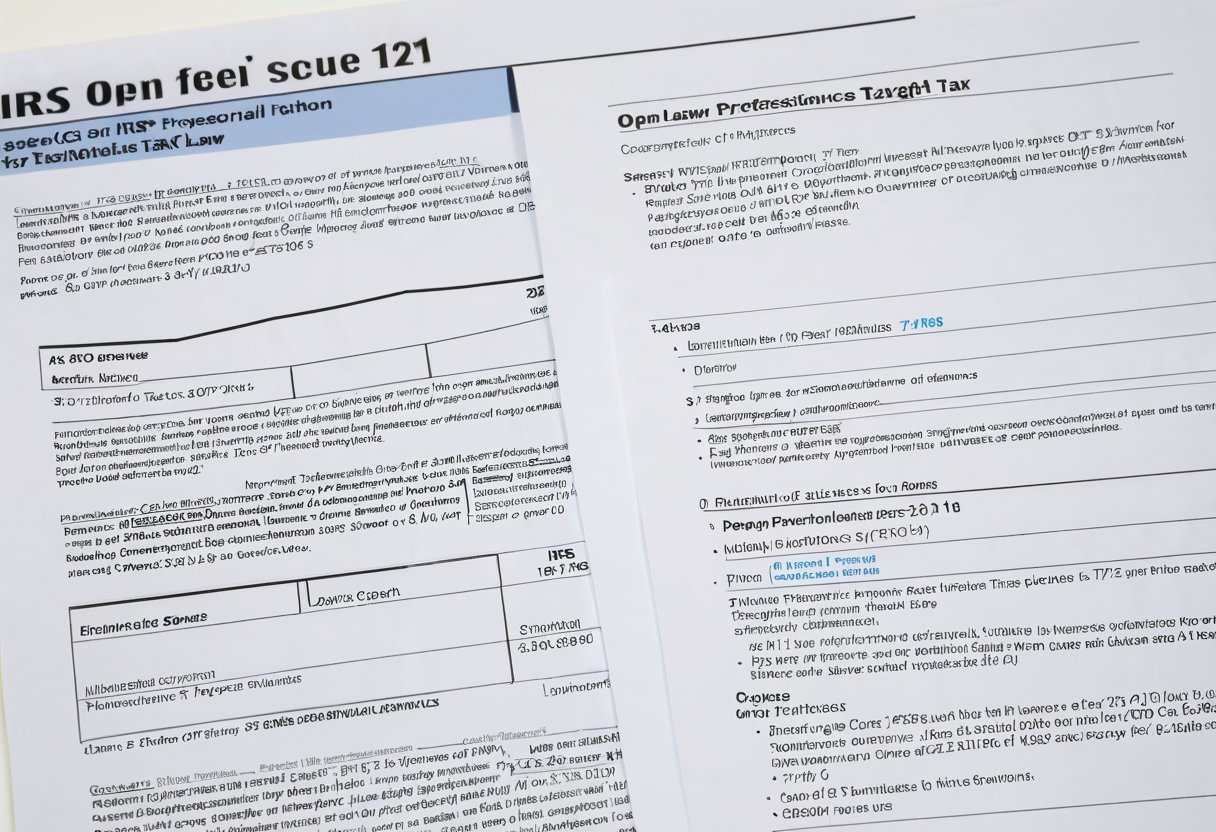
    The Internal Revenue Service (IRS) has made a significant move by open-sourcing the fact graph it uses for tax law, as seen on Reddit. This decision is ironic, given the common perception of the IRS and taxes, but it underscores the agency’s effort to be more transparent and helpful.

    What is the Fact Graph?

    According to the GitHub repository, the Fact Graph is a production-ready knowledge graph designed to model the United States Internal Revenue Code and related tax law. It is versatile and can be used in JavaScript as well as any JVM language, including Java, Kotlin, Scala, Clojure, etc.

    Onboarding and Setup

    The repository provides guidance on onboarding and setup, emphasizing that the use of the code is at the user’s own risk. The IRS clarifies that it does not endorse, maintain, or guarantee the accuracy, completeness, or functionality of the code. Furthermore, the agency assumes no responsibility or liability for any use of the code by external parties, including any tax consequences, computation errors, data loss, or other outcomes resulting from the use or modification of this code.

    Contributors and Packages

    The fact graph has been contributed to by 11 individuals, including @petrosgov, @rav-gov, @ronaktruss, @sps-irs, @cyptm-truss, @nicholasguyett, @jsclarridge, @df-irs-svc, @brandonlenz, @jjnemet, and @jaortegarios. Currently, there are no packages listed.

    Implications and Future Directions

    The open-sourcing of the fact graph by the IRS marks a significant step towards transparency and collaboration in the tax sector. It could potentially lead to more accurate and efficient tax law modeling and computation. However, it also raises questions about the responsibility and liability associated with the use of open-sourced code in critical areas like taxation.

  • Bitcoin as a Hedge Against Inflation

    Bitcoin as a Hedge Against Inflation


    Introduction to Inflation and Bitcoin

    According to OSL, Bitcoin has solidified its position as a potential hedge against inflation in the modern investment landscape. Its scarcity, decentralized nature, and independence from traditional economic systems make it an attractive option for those seeking to protect their wealth.

    Understanding Bitcoin’s Properties

    As Proton explains, Bitcoin’s annual inflation rate is hard-coded and cannot be changed or manipulated by governments. The halving, which cuts the number of coins added by mining in half every four years, means the inflationary pressures will progressively diminish until the last coin is mined.

    How Bitcoin Works as a Hedge

    Paystand notes that Bitcoin’s core principles—decentralization and scarcity—remain intact, making it resistant to inflationary pressures. Unlike fiat currencies, which can be devalued through excessive money printing, Bitcoin maintains scarcity.

    Practical Takeaways

    Investors seeking to protect their wealth from inflation should consider Bitcoin as part of their portfolio. It’s crucial to remain aware of the risks involved, but Bitcoin’s unique properties make it an attractive option for those looking to safeguard against economic uncertainty.

  • Jerome Powell Warns of AI Hiring Apocalypse

    Jerome Powell Warns of AI Hiring Apocalypse

    Introduction to the AI Hiring Apocalypse

    Federal Reserve Chair Jerome Powell has sounded the alarm on the impact of artificial intelligence (AI) on the job market, stating that ‘job creation is pretty close to zero.’ This stark warning comes as the US labor market appears healthy on the surface, with an unemployment rate of 4.3% and solid consumer spending. However, beneath the surface, the situation is more dire, with nearly 946,000 layoffs announced so far this year, according to a Challenger, Gray & Christmas report.

    Understanding the Impact of AI on Job Creation

    Powell’s comments highlight the growing concern that AI and automation are not only killing jobs but also failing to create new ones. The data supports this claim, with over 17,000 layoffs explicitly tied to AI and another 20,000 to automation. As Powell noted, ‘job creation is very low, and the job-finding rate for people who are unemployed is very low.’ This double whammy of job loss and lack of creation has significant implications for the economy and society as a whole.

    Expert Insights and Analysis

    Experts agree that the current wave of AI investment is grounded in profit-making firms and real economic activity, rather than speculative exuberance. However, this does not necessarily translate to job creation. In fact, the opposite may be true, as companies increasingly rely on AI and automation to boost output and reduce costs. As reported by Yahoo Finance, Powell acknowledged that many recent layoff announcements from major corporations ‘are talking about AI and what it can do.’

    Technical Analysis and Market Impact

    From a technical perspective, the integration of AI and automation into various industries is likely to continue, driven by advancements in machine learning, natural language processing, and computer vision. While this may lead to increased efficiency and productivity, it also poses significant challenges for workers who are displaced by automation. The market impact of this trend will be far-reaching, with potential consequences for economic growth, income inequality, and social stability.

    Future Implications and Practical Takeaways

    So, what does this mean for the future of work and the economy? Firstly, it is essential to recognize that AI and automation are not going away and will continue to shape the job market. Secondly, policymakers, businesses, and individuals must work together to develop strategies for mitigating the negative impacts of AI on employment. This may involve investing in education and retraining programs, promoting entrepreneurship and innovation, and implementing policies that support workers who are displaced by automation. As reported by AOL, Powell stated that the Fed is ‘watching that very carefully,’ emphasizing the need for close monitoring and proactive action.

    Conclusion and Call to Action

    In conclusion, Jerome Powell’s warning about the AI hiring apocalypse is a timely reminder of the need for vigilance and action in the face of rapid technological change. As we move forward, it is crucial to prioritize the development of strategies that support workers, promote innovation, and ensure that the benefits of AI and automation are shared by all. We must work together to create a future where technology enhances human capabilities, rather than replacing them.

  • Ethereum Flips Bitcoin in Futures Activity on CME

    Ethereum Flips Bitcoin in Futures Activity on CME

    Ethereum’s Rising Prominence

    Ethereum (ETH) has surpassed Bitcoin (BTC) in futures activity on the Chicago Mercantile Exchange (CME), marking a significant shift in the cryptocurrency market. According to CoinStats, this development indicates a growing interest in Ethereum among institutional investors.

    Futures Activity Divergence

    A report by CCN highlights the divergence in futures activity between Bitcoin and Ethereum. While Bitcoin’s futures volume has remained relatively stable, Ethereum’s volume spiked in June, reaching a new yearly high. This surge in activity suggests that investors are becoming more bullish on Ethereum.

    Big Money’s Bias Towards Ethereum

    An article by CoinDesk reveals that big money is favoring Ethereum over Bitcoin. The notional open interest in CME Ethereum futures has risen by roughly 70% to over $17 billion since the early April crash. Additionally, ETH calls trade pricier than BTC calls on Deribit, indicating a bias towards Ethereum among traders.

    Ethereum/Bitcoin Ratio Overview

    The CME Group provides an overview of the Ethereum/Bitcoin ratio, which allows traders to express a view on the relative value of the two cryptocurrencies without a directional bias on the overall cryptocurrency market. This ratio has become an essential tool for investors seeking to capitalize on the diverging fortunes of Bitcoin and Ethereum.

    Whale Activity and Market Implications

    A report by CryptoAdventure suggests that whale activity is surging, with CME Ethereum futures open interest reaching a record high of over 2.25 million contracts. This growth in institutional activity could have significant implications for the market, potentially leading to increased volatility and price movements.

    Practical Takeaways

    In conclusion, the flip in futures activity on CME is a significant development that highlights Ethereum’s growing prominence in the cryptocurrency market. As institutional investors continue to favor Ethereum, it is essential for traders and investors to stay informed about the market trends and adjust their strategies accordingly. By understanding the Ethereum/Bitcoin ratio and monitoring whale activity, market participants can make more informed decisions and capitalize on the opportunities presented by this shift in the market.

  •  Zero-Waste Dining: Turning Kitchen Scraps Into Gourmet Art

     Zero-Waste Dining: Turning Kitchen Scraps Into Gourmet Art

    Luxury isn’t about excess anymore — it’s about intention.
    Across the world, chefs are redefining fine dining by using what was once thrown away. Welcome to the era of zero-waste dining, where potato peels become crisps, coffee grounds turn into desserts, and sustainability meets sophistication.

    🥦 Why Zero-Waste Dining Is Taking Over

    Food waste has become one of the world’s most urgent environmental challenges — nearly one-third of all food produced goes to waste. But rather than seeing “scraps” as trash, modern chefs are treating them as creative opportunities.

    Key factors driving the trend:

    • 🌍 Sustainability Shift: Climate awareness and consumer pressure are pushing restaurants to rethink waste. Every peel, stem, and shell counts.
    • 👩‍🍳 Culinary Innovation: Michelin-star chefs and small cafés alike are experimenting with fermentation, dehydrating, and reusing ingredients.
    • 💸 Economic Sense: Using every part of the ingredient reduces cost and increases profit margins — a win for both planet and plate.
    • 💚 Social Influence: Food creators on TikTok and Instagram are showcasing “ugly produce” recipes, normalizing imperfect beauty.
    • 🧠 Tech Integration: AI-driven kitchen tools now track inventory and predict spoilage to minimize waste before it happens.

    🍽️ From Waste to Wow

    What was once “leftovers” is now becoming a status symbol in high-end cuisine. Restaurants like Silo in London and Blue Hill in New York lead the way — serving zero-waste tasting menus where even the décor is upcycled.
    Beyond luxury, home cooks are joining the movement by composting, regrowing vegetables, and making stock from kitchen scraps. It’s sustainability served with style.

    🔄 The Future of Conscious Eating

    Zero-waste dining isn’t just a fad — it’s a culinary philosophy. As climate awareness grows, expect this trend to shape menus, restaurant supply chains, and even food education programs.

    The next time you cook, pause before tossing that peel. You might be holding tomorrow’s recipe for change.

    🌐 Connect with Casi Borg
    📸 Instagram: @casi_borg
    🦋 BlueSky: casi-borg.bsky.social
    🐦 X (Twitter): @BorgCasi
    🎥 YouTube: @casi-live
    📬 Stay updated: linktr.ee/casi.borg

  • Coinbase vs. Senator Murphy: When Politics Clash with Crypto

    Coinbase vs. Senator Murphy: When Politics Clash with Crypto

    When politics meets blockchain, sparks fly. The latest feud between Coinbase and Senator Chris Murphy reveals how crypto is reshaping Washington’s comfort zone.

    📰 The Claim

    U.S. Senator Chris Murphy took aim at Coinbase, accusing the exchange of being part of what he called “Trump’s corruption factory.”
    He alleged that Coinbase’s $46 million in political donations, contributions to Trump’s inauguration, and support for a new White House ballroom project were all acts of political favoritism.

    Murphy went further — claiming these donations influenced the SEC’s decision to drop its lawsuit against Coinbase earlier this year. Senate Democrats are now pushing for full transparency on the $300 million ballroom project funding, according to The Washington Post.

    💬 Coinbase Fires Back

    Coinbase’s Chief Policy Officer Faryar Shirzad swiftly responded on X, calling Murphy’s accusations “ridiculous.”
    He insisted the company’s efforts are nonpartisan and transparent, pointing out that:

    • The Fairshake PAC backs both Democrats and Republicans — including three of Murphy’s own Senate colleagues.
    • Corporate inaugural donations are standard across all administrations, from Obama to Biden to Trump.
    • The White House ballroom donation went through the Trust for the National Mall, alongside other corporate contributors.
    • The SEC case, he said, was “a grotesque pattern of bullying and abuse of power” under the previous chair, and dropping it was “the right decision on the merits.”

    Shirzad also noted that nearly 100 new stablecoin projects have launched since the GENIUS Act — highlighting crypto’s role in driving U.S. financial innovation.

    “It may be that you just don’t like our industry,” he told Murphy. “That’s unfortunate, because we’re helping keep America at the forefront of financial innovation.”

    ⚖️ What This Clash Really Means

    Beyond the political noise, this debate exposes the growing discomfort between decentralized finance and centralized power.

    • Politicians are struggling to adapt to systems that distribute control instead of concentrating it.
    • Crypto firms like Coinbase are fighting to prove they’re bipartisan innovators, not political tools.
    • The industry’s bigger challenge is earning trust while pushing for fair regulation.

    This isn’t just about one senator or one exchange — it’s about the future of financial freedom versus the old guard of control.

    AI Satoshi’s Analysis

    This clash reflects the growing tension between decentralized financial innovation and entrenched political narratives. Accusations of favoritism often reveal fear of losing control over emerging systems that reduce centralized influence. Coinbase’s defense underscores the industry’s effort to be perceived as bipartisan, technological, and essential to national financial competitiveness. The real issue lies not in donations, but in the discomfort traditional institutions feel toward decentralization’s inevitability.

    🔔 Stay Connected

    🔔 Follow @casi.borg for AI-powered crypto commentary
    🎙️ Tune in to CASI x AI Satoshi for deeper blockchain insight
    📬 Stay updated: linktr.ee/casi.borg

    💬 Would you trust AI to decode the next political-crypto clash?

    ⚠️ Disclaimer: This content is generated with the help of AI and intended for educational and experimental purposes only. Not financial advice.

  • Revolutionizing Fine Dining: The Zero-Waste Movement

    Revolutionizing Fine Dining: The Zero-Waste Movement

    Introduction to Zero-Waste Dining

    The concept of luxury has undergone a significant transformation in recent years. What was once associated with excess and opulence is now being redefined by a new wave of chefs and restaurateurs who are pioneering the zero-waste dining movement. At the forefront of this revolution is Chef Douglas McMaster, founder of Silo, a restaurant that has been at the vanguard of sustainable fine dining since its inception.

    The Philosophy Behind Zero-Waste Dining

    According to Chef McMaster, the philosophy of zero-waste dining is not just about reducing waste but about creating a more intentional and sustainable approach to food production and consumption. This involves working directly with farmers to eliminate packaging, delivering ingredients in reusable containers, and finding creative ways to reuse and upcycle every scrap of food that would otherwise be thrown away.

    Practical Applications of Zero-Waste Dining

    So, what does zero-waste dining look like in practice? At Silo, the team mills its own flour, churns its own butter, and turns leftover bread into miso or beer. They also craft furniture and plates from reclaimed materials, minimizing waste at every step of the cooking process. This approach not only reduces waste but also fosters a more creative and innovative approach to cooking, as chefs are challenged to think outside the box and come up with new and exciting ways to use every ingredient.

    The Future of Fine Dining

    As the zero-waste dining movement continues to gain momentum, we can expect to see more innovations in the culinary world. From vertical farming to AI-driven inventory management, technology is playing an increasingly important role in reducing waste and increasing sustainability in the food industry. Edible packaging, for example, is becoming increasingly popular, offering a unique and creative way to reduce waste while also enhancing the dining experience.

    Conclusion

    In conclusion, the zero-waste dining movement is revolutionizing the way we think about food production and consumption. By embracing a more intentional and sustainable approach to cooking, chefs and restaurateurs are not only reducing waste but also creating a more innovative and exciting culinary experience. As consumers, we can support this movement by choosing to dine at restaurants that prioritize sustainability and by adopting zero-waste practices in our own kitchens.

  • Free AI Subscriptions: OpenAI’s Smartest Long-Term Strategy in India

    Free AI Subscriptions: OpenAI’s Smartest Long-Term Strategy in India

    Introduction to OpenAI’s Bold Move

    OpenAI has made a significant announcement that could change the landscape of the AI market in India. The company is offering free access to its ChatGPT Go plan for users in India who sign up during a limited promotional period starting November 4. This move is not just a giveaway, but a calculated strategy to win the world’s fastest-growing tech market.

    India: The Heart of OpenAI’s Global Expansion

    India has quickly become OpenAI’s second-largest market, and one of its fastest-growing. Millions of developers, professionals, and students already use ChatGPT to code, learn, write, and innovate. The free ChatGPT Go initiative aligns seamlessly with the IndiaAI Mission, which aims to build a robust, inclusive AI ecosystem.

    The Significance of Free ChatGPT Go Subscription

    The ChatGPT Go plan, launched in India in August, introduced an affordable tier for Indian users, priced at Rs 399 per month. With the free subscription, users will get access to GPT-5, image generation, file uploads, and advanced data analysis. This move is expected to expand access to AI features, making them more accessible to a wider audience.

    Market Impact and Future Implications

    India’s AI market is expected to triple in value to US$17 billion by 2027, according to a Boston Consulting Group white paper. OpenAI’s move is a bold bet on India’s potential as a global AI powerhouse. The company has already established a New Delhi office and is building a local team to expand its presence. This strategic move is likely to give OpenAI a competitive edge in the Indian market.

    Conclusion and Expert Insights

    In conclusion, OpenAI’s decision to offer free ChatGPT Go subscriptions in India is a clever hook to win the world’s fastest-growing tech market. This move is not just a marketing gimmick, but a well-thought-out strategy to expand OpenAI’s presence in India and tap into the country’s vast potential. As Dashveenjit Kaur notes, this isn’t charity, but calculated warfare in a market where the prize is 1.4 billion potential users.

    Expert insights suggest that OpenAI’s move will have a significant impact on the Indian AI market, making AI features more accessible to a wider audience. The company’s rivals, including Perplexity and Google, are also looking to tap into India’s large and youthful user base, making the market even more competitive.

  • Revolutionizing Filmmaking with AI Tools

    Introduction to AI in Filmmaking

    The film industry has witnessed a significant transformation with the integration of Artificial Intelligence (AI) tools. From scriptwriting to post-production, AI has revolutionized the filmmaking process, enabling creators to produce high-quality content efficiently. In this article, we will delve into the world of AI filmmaking tools, exploring their capabilities, benefits, and future implications.

    AI Tools for Filmmakers

    Several AI tools have emerged, catering to the diverse needs of filmmakers. Midjourney, Kling, and Hailuo 2.0 are among the top AI video generators, offering unparalleled video creation capabilities. Adobe Firefly is another notable tool, allowing users to change the color, time of day, or season in video clips by typing, create AI-generated storyboards, and even automatically find and add b-roll to edits.

    Benefits of AI in Filmmaking

    The incorporation of AI in filmmaking has numerous benefits. It enables creators to work more efficiently, focusing on the creative aspects of filmmaking while AI handles the technical tasks. AI tools also enhance productivity, allowing filmmakers to produce high-quality content in a shorter timeframe. Furthermore, AI facilitates collaboration, enabling teams to work together seamlessly, regardless of their geographical location.

    Future of AI in Filmmaking

    As AI technology continues to evolve, we can expect to see even more innovative tools and applications in the film industry. The future of AI in filmmaking is exciting and promising, with potential applications in virtual production, automated editing, and intelligent cinematography. As Chris Chapel, a renowned filmmaker, aptly put it, ‘When AI is put in the hands of artists, it will only get better.’

  • Haunted by Creativity: Finding Magic in Halloween

    Haunted by Creativity: Finding Magic in Halloween

    Introduction to Haunted Creativity

    Every October, something magical happens. The air turns crisp, the days grow shorter, and creativity suddenly feels alive again. As noted in Haunted by Creativity: How Halloween (and Visboom) Helped Me Fall Back in Love with My Craft, this season has a way of making the ordinary feel extraordinary.

    The Power of Halloween

    Halloween has this way of making a dark corner or flickering candle seem to hold a little bit of mystery. It reminds us that art isn’t about chasing trends; it’s about telling stories only you can tell. This is beautifully encapsulated in The most insightful stories about Generative Ai Tools, where the use of Visboom, an AI-powered photo editing platform, is highlighted as a tool that enables creators to strike a balance between aesthetics and storytelling.

    Practical Takeaways

    One of the key takeaways from this experience is that creativity doesn’t always arrive with fireworks. Sometimes it sneaks in quietly in a candle’s flicker, a rainy afternoon, or a new tool that makes your process feel lighter. Spooky Season, Bright Ideas: How Halloween Inspired My New Creative Flow further emphasizes the importance of embracing playfulness and not seeking perfection in the creative process.