Tag: AI

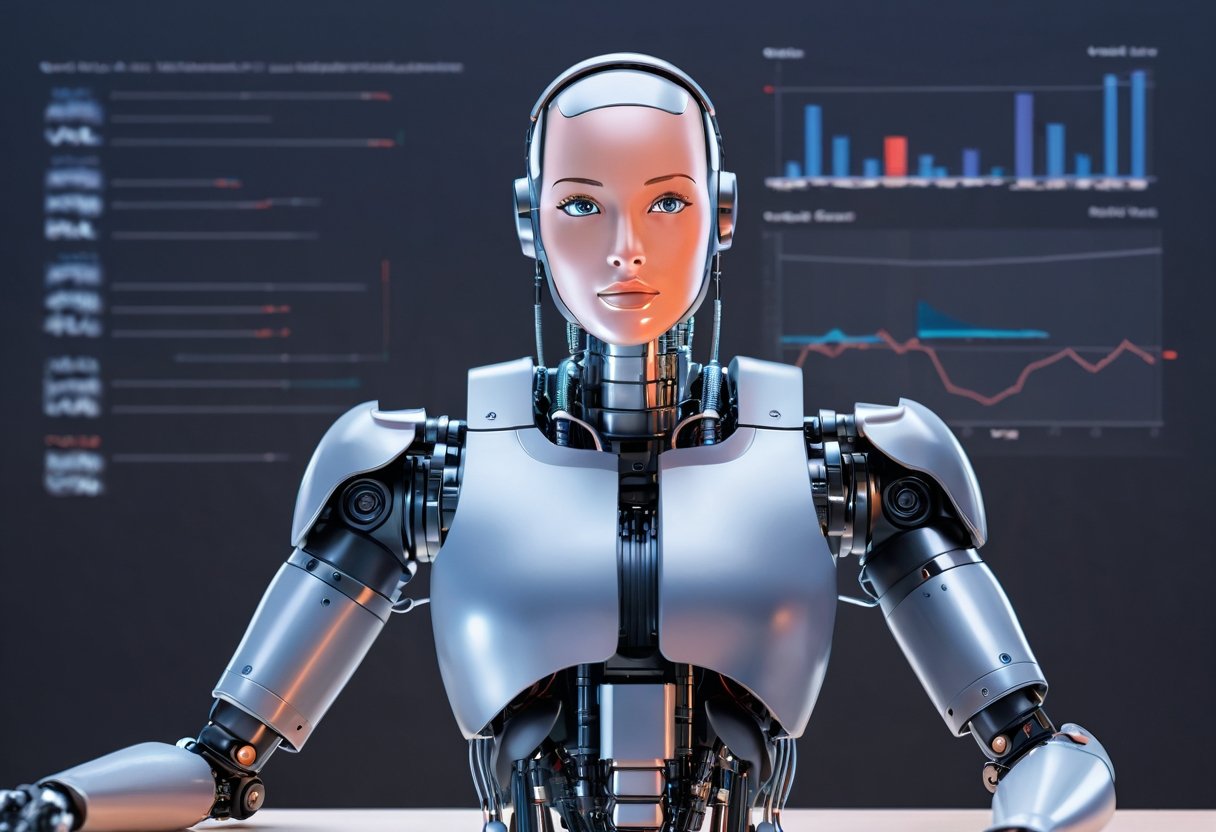
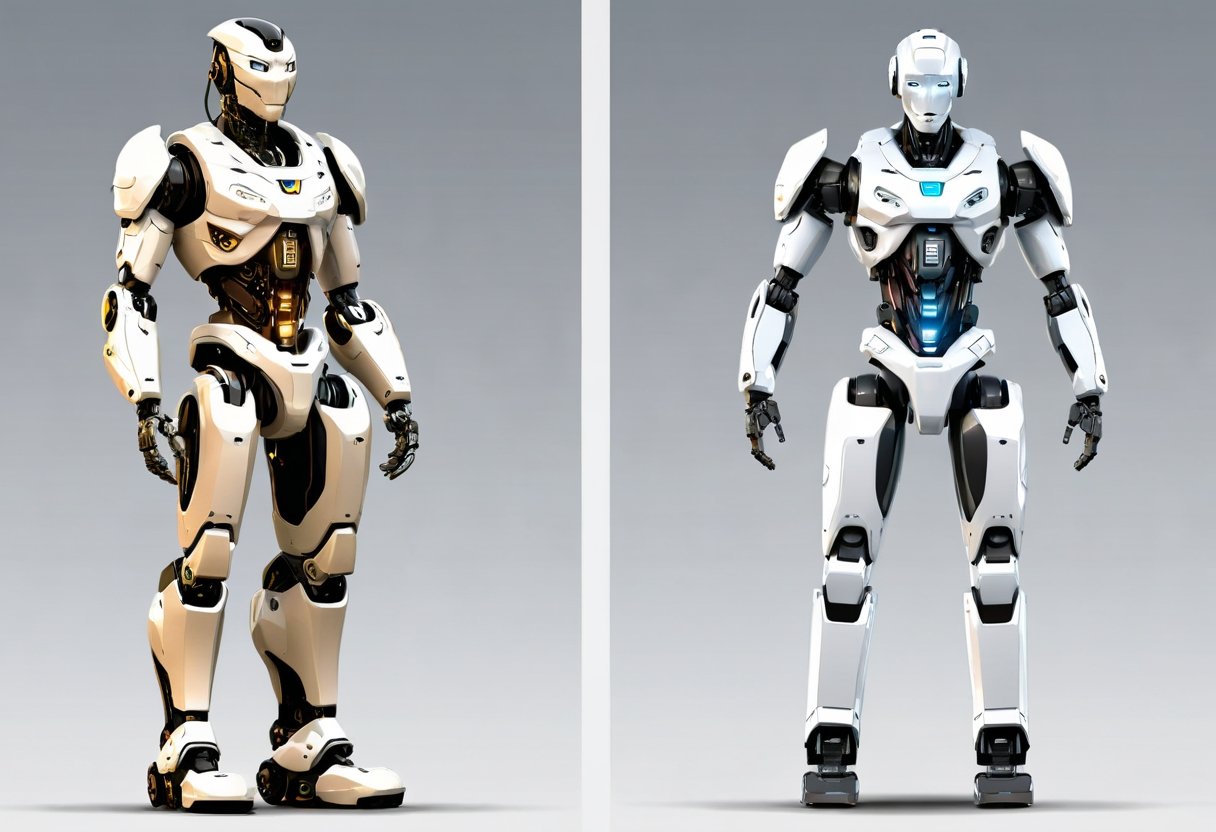
  • Humanoid Robots: The Future of Tech?

    Humanoid Robots: The Future of Tech?

    Introduction to Humanoid Robots

    Humanoid robots have long been a topic of interest in the tech world. With the commercial boom in artificial intelligence, the development of humanoid robots has gained significant traction. According to Modar Alaoui, founder of the Humanoids Summit, many researchers believe that humanoids or some other kind of physical embodiment of AI are “going to become the norm.”

    The Current State of Humanoid Robots

    The humanoid space has a very, very big hill to climb, said Cosima du Pasquier, co-founder of Haptica Robotics. There’s a lot of research that still needs to be solved. Despite the challenges, companies like Disney are making significant strides in the field. Disney’s contribution to the field, a walking robotic version of “Frozen” character Olaf, will be roaming on its own through Disneyland theme parks in Hong Kong and Paris early next year.

    The Role of AI in Humanoid Robots

    The same technical advances that made AI chatbots so good at language have played a role in teaching robots how to get better at performing tasks. Paired with computer vision, robots powered by “visual-language” models are trained to learn about their surroundings. This technology has the potential to revolutionize the way we interact with robots and could lead to the development of more advanced humanoid robots.

    The Future of Humanoid Robots

    While we are still far from having truly humanlike robots, the progress being made in the field is significant. According to McKinsey & Company, about 50 companies around the world have raised at least $100 million to develop humanoids, led by about 20 in China and 15 in North America. China is leading in part due to government incentives for component production and robot adoption and a mandate last year “to have a humanoid ecosystem established by 2025,” said McKinsey partner Ani Kelkar.

    In conclusion, humanoid robots are an exciting and rapidly evolving field. While there are still many challenges to overcome, the potential benefits of these robots are significant. As the technology continues to advance, we can expect to see more advanced humanoid robots that are capable of performing a wide range of tasks.
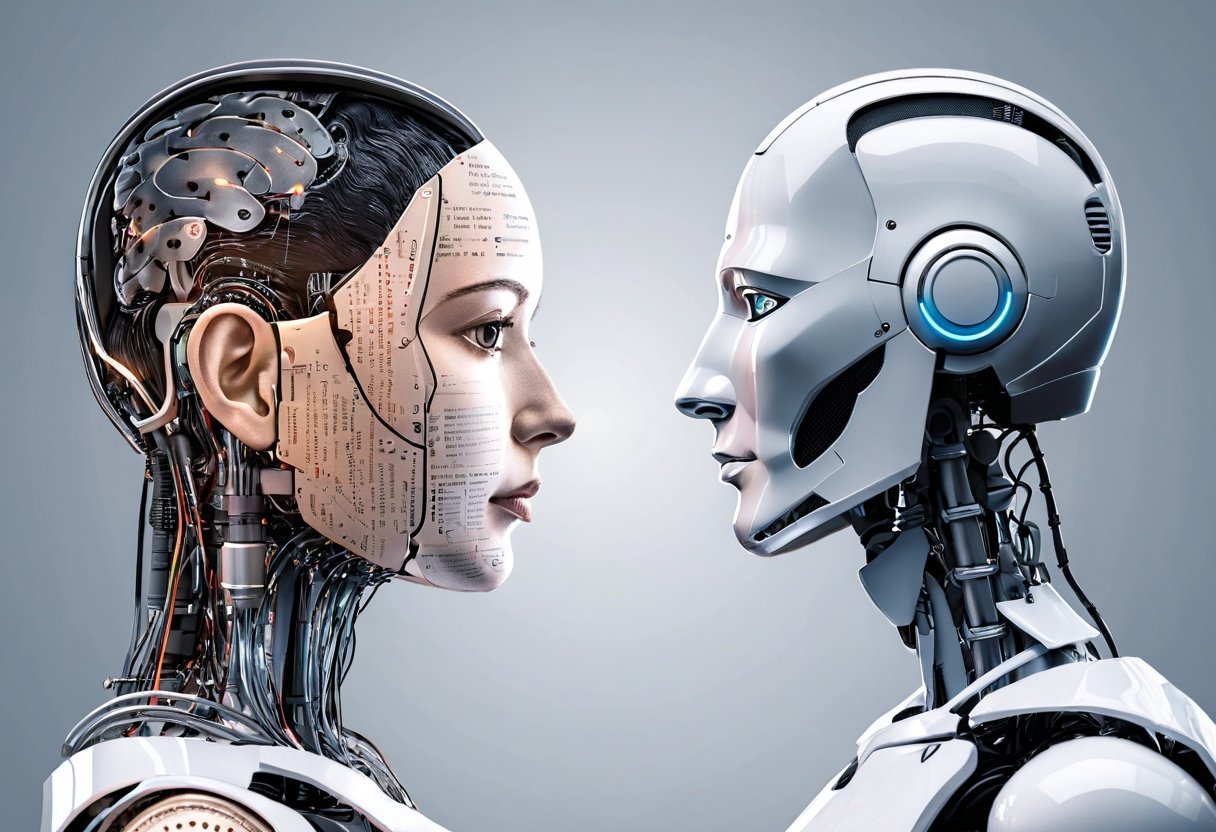
  • Leonardo DiCaprio on AI and Art: A Human Touch

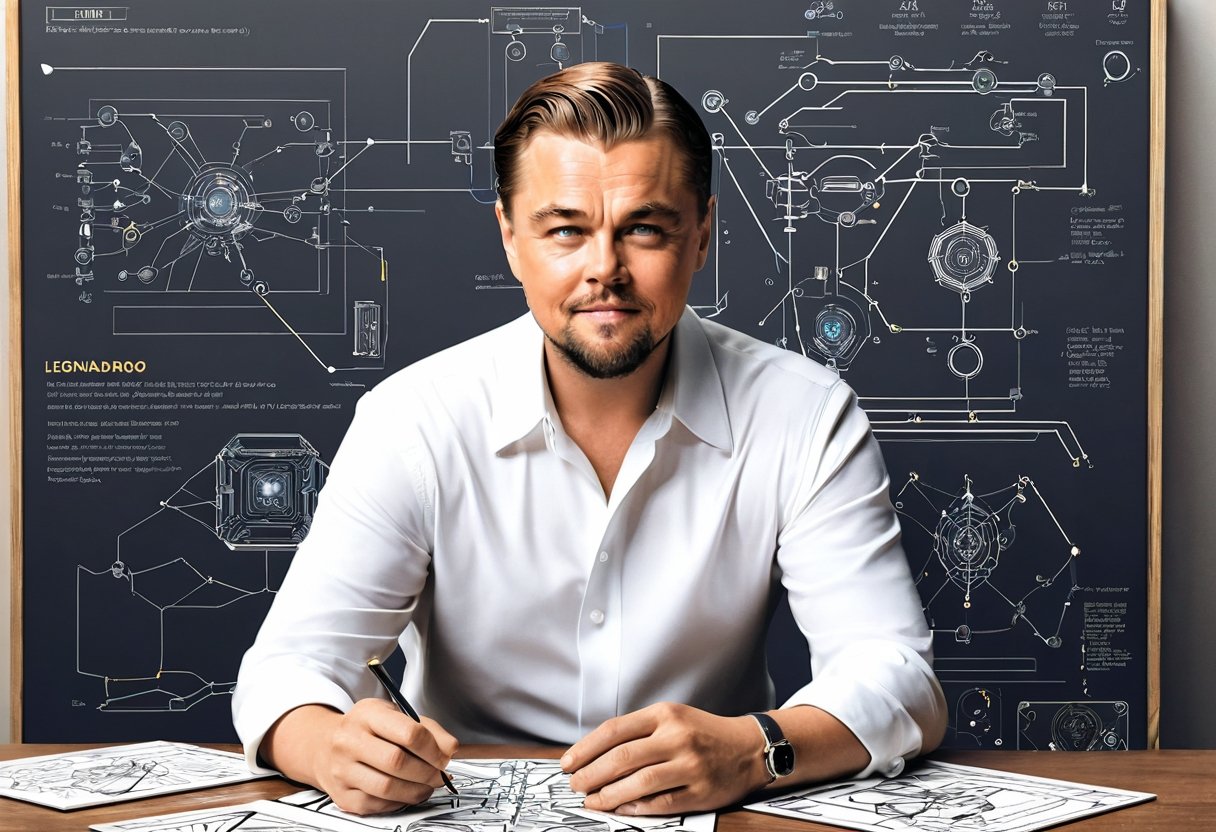
    Leonardo DiCaprio on AI and Art: A Human Touch


    Introduction to the Debate

    Leonardo DiCaprio, a renowned actor and producer, has sparked a debate about the role of Artificial Intelligence (AI) in the creation of art. According to Variety, DiCaprio believes that AI can never be considered true art because it lacks humanity. This statement has ignited a discussion about the potential of AI in the creative industry and its limitations.

    DiCaprio’s Perspective

    In an interview with Time magazine, DiCaprio expressed his concerns about AI replacing human artists. He stated that even the most brilliant AI-generated content eventually ‘dissipates into the ether of internet junk’ due to its lack of human touch. DiCaprio’s comments were also reported by The Hollywood Reporter and GeekTyrant, further fueling the debate.

    The Role of AI in Art

    While DiCaprio acknowledges the potential of AI as an enhancement tool for human creatives, he emphasizes the importance of human emotion and experience in art. As noted by Reddit users, DiCaprio’s comments might have been misinterpreted, and he actually sees AI as a means to augment human creativity, rather than replace it.

    Implications and Future Directions

    The discussion around AI and art raises important questions about the future of creative industries. As AI technology advances, it is likely to have a significant impact on the way art is created, consumed, and perceived. While DiCaprio’s comments highlight the limitations of AI, they also encourage us to think about the potential benefits of human-AI collaboration in the artistic process.

    According to Instagram posts and Twitter discussions, many people share DiCaprio’s concerns about the lack of humanity in AI-generated art. However, others see AI as a tool that can enhance human creativity and push the boundaries of artistic expression.

    Conclusion

    In conclusion, the debate sparked by Leonardo DiCaprio’s comments on AI and art highlights the complexities and nuances of this topic. While AI has the potential to revolutionize the creative industry, it is essential to recognize the importance of human emotion, experience, and touch in the creation of art.

  • Automating CEOs: The Future of Corporate Leadership

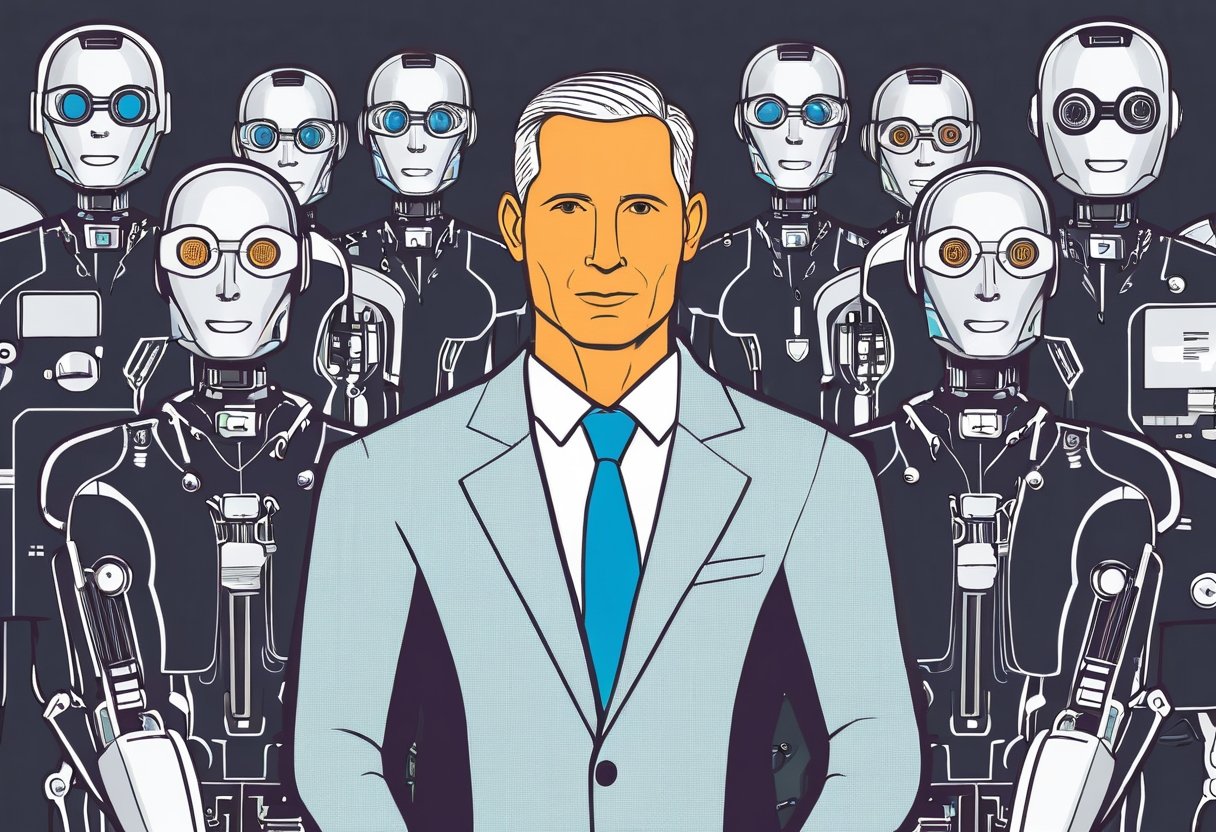
    Automating CEOs: The Future of Corporate Leadership

    Introduction

    The role of the CEO is one of the most expensive and critical positions in any company. With salaries and bonuses that can reach into the tens of millions of dollars, it’s no wonder that many are starting to ask: why not automate them? As technology continues to advance and AI becomes more sophisticated, it’s possible that the traditional role of the CEO could become a thing of the past.

    The Case for Automating CEOs

    According to a recent article in the New Statesman, CEOs are hugely expensive, with some companies paying out half a billion pounds to just 150 executives in a single year. Meanwhile, technology is becoming cheaper and more reliable, making it a prime candidate for automating many of the tasks that CEOs currently perform. As Will Lockett writes in his Medium article, We Should Replace CEOs With AI, it’s possible that AI could do a better job of making decisions and running companies than humans.

    Benefits of Automation

    Automating CEOs could have a number of benefits, including increased efficiency, reduced costs, and improved decision-making. AI systems can analyze vast amounts of data and make decisions based on that data, without the biases and emotions that can cloud human judgment. Additionally, AI systems can work around the clock, without the need for rest or vacation time, making them a more reliable option for companies.

    Challenges and Limitations

    However, as Databricks CEO Ali Ghodsi and Glean CEO Arvind Jain point out in a recent interview with Business Insider, automating CEOs is not as easy as it sounds. AI systems are not yet capable of replicating the complex decision-making and strategic thinking that CEOs require. Additionally, there are many tasks that CEOs perform that are difficult to automate, such as building relationships, negotiating deals, and making tough decisions in high-pressure situations.

    Technical Limitations

    According to a report by Goldman Sachs, there are two ways in which AI could lead to an increase in unemployment: if AI capabilities advance to the point where human input becomes redundant for many types of production, or if companies use AI to automate many roles, including those at the executive level. However, the report also notes that occupations at the highest risk of being displaced by AI are those that involve repetitive tasks, such as data entry or customer service, rather than high-level decision-making.

    Conclusion

    In conclusion, while automating CEOs is an intriguing idea, it’s not yet a reality. However, as AI technology continues to advance, it’s possible that we could see a future where CEOs are augmented or even replaced by AI systems. As companies continue to explore the possibilities of automation, it’s essential to consider the potential benefits and limitations of this technology, and to ensure that any decisions made are in the best interests of the company and its stakeholders.

  • Oracle’s AI Ambitions Under Scrutiny Amidst Worst Quarter

    Oracle’s AI Ambitions Under Scrutiny Amidst Worst Quarter

    Introduction

    Oracle, the database giant, is facing a crisis of faith in its ability to deliver on its promise to build massive data centers packed with Nvidia chips for OpenAI. The company’s stock has plummeted 30% this quarter, putting it on track for its worst performance since 2001. This drastic decline has raised concerns among investors and analysts about the company’s ability to execute its AI strategy.

    The New CEOs’ Challenges

    Just three months ago, Oracle named Clay Magouyrk and Mike Sicilia as its new CEOs. However, their tenure has been marked by a significant decline in the company’s stock price. The sell-off is a clear indication of the market’s loss of faith in Oracle’s ability to deliver on its AI promises. As reported by The Tech Buzz, Oracle’s commitment to build massive data centers for OpenAI was supposed to be a generational opportunity for the company.

    AI Build-out Concerns

    The main concern among investors is Oracle’s ability to keep its investment-grade debt rating while funding the massive AI build-out. The company is planning to spend $248 billion in leases and $50 billion in capital expenditures in fiscal 2026 to boost cloud capacity for OpenAI’s ChatGPT. This aggressive spending has raised eyebrows among investors, who are skeptical about the company’s ability to generate sufficient revenue to justify the investment.

    Technical Analysis

    From a technical perspective, Oracle’s AI cloud business is facing significant challenges. The company’s gross margin for its AI cloud business is around 14%, which is far lower than its traditional business margins. This raises concerns about the scaling economics of AI infrastructure. As Ground AI insights suggest, the company’s credibility in the market will hinge on the success of its AI buildout.

    Market Impact

    The decline in Oracle’s stock price has significant implications for the market. It reflects a broader trend of investors becoming increasingly skeptical about the ability of tech companies to deliver on their AI promises. As CNBC reports, Oracle’s stock slide marks a reversal of fortunes for a company that was once enjoying a blistering rally and clinching multibillion-dollar data center deals with the likes of OpenAI.

    Future Implications

    The future implications of Oracle’s AI ambitions are far-reaching. If the company is able to successfully execute its AI strategy, it could lead to significant revenue growth and increased market share. However, if the company fails to deliver, it could lead to a further decline in its stock price and a loss of faith among investors. As LinkedIn reports, Oracle’s new architecture of leadership, with two CEOs focusing on AI and cloud, and enterprise applications, respectively, is a bold experiment that could pay off if executed correctly.

  • The Fake Empathy Problem in AI and Legal Personhood

    The Fake Empathy Problem in AI and Legal Personhood

    The Algorithmic Empathy Deficit

    The rise of Artificial Intelligence (AI) has led to significant advancements in various fields, including healthcare, finance, and education. However, one of the most pressing concerns surrounding AI is its ability to exhibit empathy. As UX Tigers notes, artificial empathy is programmed and operates on predefined algorithms, lacking the spontaneity and depth inherent in human emotional responses.

    Emergent Agency and the Need for a New Legal Category

    The concept of emergent agency refers to the ability of complex systems to exhibit behaviors that are not predetermined by their individual components. In the context of AI, emergent agency raises important questions about the legal status of smart machines. As E Mik argues, the introduction of a new legal category, such as limited e-personhood or a sui generis form of personhood, may be necessary to address the governance gaps created by AI’s distinct lack of moral agency, subjective experience, and embedded human oversight.

    The Ethics and Challenges of Legal Personhood for AI

    The ethics and challenges of legal personhood for AI are complex and multifaceted. As The Yale Law Journal notes, the protections to which sentient AI should be entitled will be related to, but necessarily different from, those for the various categories of legal persons. The prospect of a sentient AI with unlimited First Amendment rights, for instance, may well be a framework to which we turn.

    A Practical Idea: Precautionary Algorithmic Personhood

    One practical idea for addressing the fake empathy problem in AI is to adopt a precautionary approach to algorithmic personhood. This would involve recognizing that AI systems, while not conscious or sentient in the classical sense, may still be capable of exhibiting behaviors that are similar to those of humans. As Novelli argues, the creation of fictional legal persons corresponding to a range of natural features, mainly as a way to give indigenous or environmental groups standing to initiate legal actions, may provide a useful precedent for the development of a new legal category for smart machines.

    In conclusion, the fake empathy problem in AI is a pressing concern that requires a nuanced and multifaceted approach. By recognizing the limitations of artificial empathy and the need for a new legal category for smart machines, we can begin to develop more effective solutions for addressing the governance gaps created by AI’s distinct lack of moral agency, subjective experience, and embedded human oversight.

  • Nokia’s Transformation: From Mobile Phones to AI-Powered Networks

    Nokia’s Transformation: From Mobile Phones to AI-Powered Networks

    Nokia’s Remarkable Journey

    Nokia, once a household name in the mobile phone industry, has undergone a significant transformation in recent years. From its humble beginnings as a paper mill to becoming the world’s leading mobile phone manufacturer, Nokia’s story is one of innovation and resilience. However, with the rise of smartphones, Nokia struggled to keep up, and its market share declined dramatically. But instead of fading away, the company pivoted, shifting its focus from mobile phones to network infrastructure and AI-powered connectivity systems.

    A New Strategic Direction

    According to a recent announcement, Nokia is simplifying its operational model into two primary operating segments: Network Infrastructure and Mobile Infrastructure. This move is aimed at capitalizing on the growing demand for AI-driven networks and 6G technology. As Yajur Bajaj notes, Nokia’s pivot from selling devices to powering the very networks that connect them is a bold shift, and the company’s partnership with NVIDIA is a significant step in this direction.

    Embracing AI and Cloud Infrastructure

    Nokia’s new strategy is focused on leading the AI-driven transformation of networks and capturing the value of the AI supercycle. The company is investing heavily in AI research and development, with a goal of creating AI-native networks that can support the growing demands of 5G and 6G technology. As TechBlog reports, Nokia’s CEO, Justin Hotard, emphasized the importance of AI integration and enterprise 5G in the company’s future growth strategy.

    A New Era for Nokia

    Nokia’s transformation is not just about adapting to changing market trends; it’s about creating a new era of innovation and growth. With its new strategic direction, the company is poised to become a leading player in the AI-powered network infrastructure market. As Nicky Verd notes, Nokia’s story is a testament to the power of reinvention and the importance of embracing change in the face of disruption.

    In conclusion, Nokia’s transformation from a mobile phone manufacturer to a network infrastructure and AI-powered connectivity systems provider is a remarkable story of innovation and resilience. With its new strategic direction, the company is poised to become a leading player in the AI-powered network infrastructure market, and its partnership with NVIDIA is a significant step in this direction.

  • Nvidia Acquires Groq for $20 Billion in Historic AI Deal

    Nvidia Acquires Groq for $20 Billion in Historic AI Deal


    Nvidia’s Largest Acquisition to Date

    Nvidia has agreed to acquire assets from artificial intelligence chip startup Groq for approximately $20 billion, marking the company’s largest transaction on record. This deal is a significant move for Nvidia, as it continues to absorb potential competitors and reinforce its market dominance in the AI chip landscape.

    Background on Groq

    Groq is a designer of high-performance AI accelerator chips, and its unique SRAM-based chip architecture solves critical memory bottlenecks. The company was last valued at $6.9 billion, and Nvidia is paying roughly 190% above its recent valuation. Groq’s revenue as of 2023 was modest, around $3.2 million, highlighting that this deal is strategic rather than revenue-driven.

    Deal Structure and Implications

    The deal is structured as a non-exclusive licensing agreement with key talent acquisitions. Groq’s founder and CEO, Jonathan Ross, as well as other company leaders, will join Nvidia to scale up the tech. Groq Cloud will remain independent and continue operating separately under CFO-turned-CEO Simon Edwards.

    Nvidia’s Aggressive Investment Strategy

    This acquisition follows Nvidia’s aggressive investment strategy across the AI ecosystem. The company’s growing financial strength, with cash and short-term investments reaching $60.6 billion by the end of October, up from $13.3 billion in early 2023, has enabled it to make significant investments in the AI space.

    Market Impact and Future Implications

    The acquisition highlights the explosive value of AI inference technology and reinforces Nvidia’s position as a leader in the AI chip market. The deal is expected to have significant implications for the future of AI, as Nvidia continues to shape the landscape and drive innovation in the industry.

  • AI as Personal COO: Revolutionizing Life Management

    AI as Personal COO: Revolutionizing Life Management


    Introduction to AI as a Personal COO

    Imagine having a personal chief operating officer (COO) to manage your daily life, ensuring that everything runs smoothly and efficiently. With the advent of artificial intelligence (AI), this concept is no longer a fantasy. AI can now be used as a personal COO, helping individuals to boost productivity and clarity in their lives. As Jay Allen notes in his LinkedIn post, AI isn’t replacing leaders. It’s just quietly replacing the hours we used to waste.

    How AI Can Be Used as a Personal COO

    There are several ways in which AI can be used as a personal COO. For instance, AI can assist with writing tasks such as board updates, follow-up emails, and even the first draft of holiday messages. According to Jay Allen, AI spots patterns in KPIs faster than my spreadsheets ever could. Additionally, AI can help with analysis, providing insights that can inform decision-making.

    The Benefits of Using AI as a Personal COO

    The benefits of using AI as a personal COO are numerous. For one, it can help to increase productivity, as AI can automate many tasks that would otherwise take up a significant amount of time. Additionally, AI can provide clarity, helping individuals to prioritize tasks and make informed decisions. As Jay Allen notes, small teams using AI are now doing what used to require entire departments.

    Practical Takeaways

    So, how can individuals start using AI as a personal COO? Here are a few practical takeaways: Start by identifying areas where AI can assist, such as writing and analysis. Explore different AI tools and platforms to find the ones that best meet your needs. Begin by automating small tasks and gradually increase the scope of AI’s involvement.

  • The Enshittification of AI: Understanding the Trend

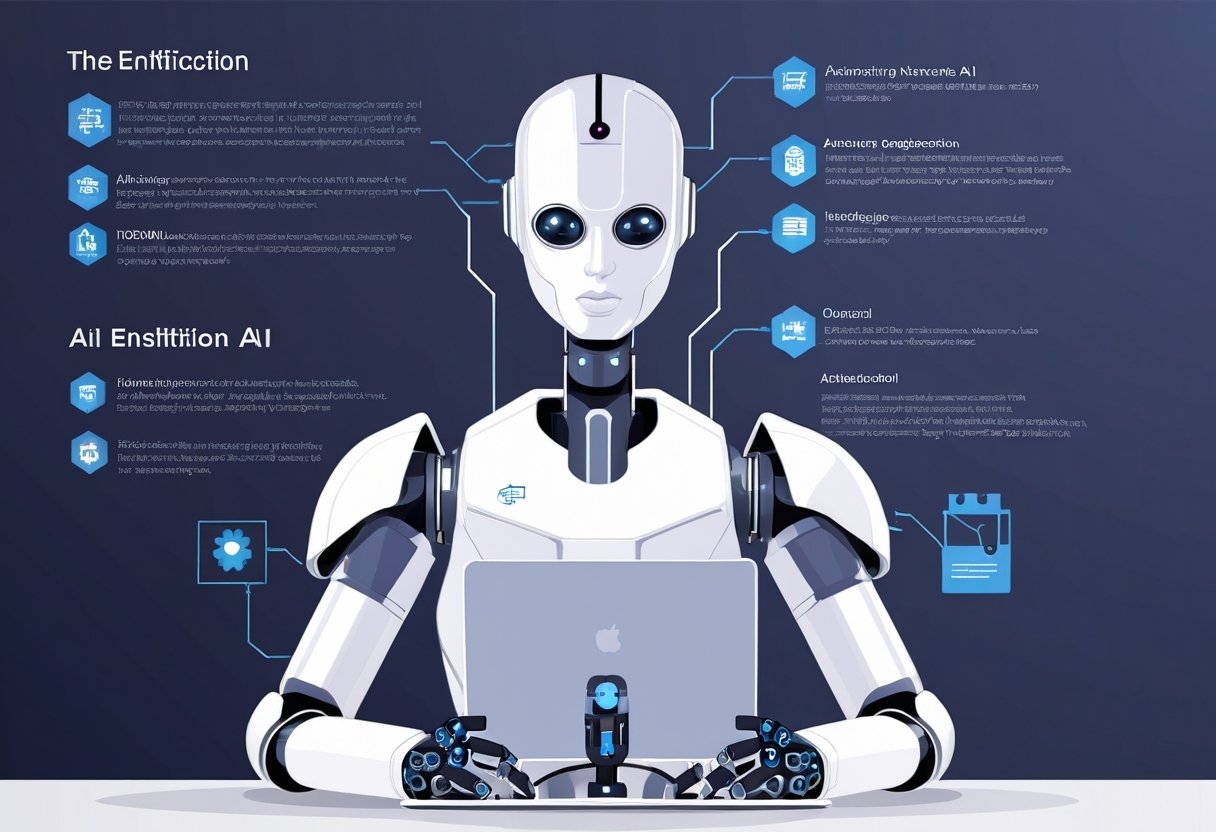
    The Enshittification of AI: Understanding the Trend


    Introduction to Enshittification

    Enshittification, a term coined by Cory Doctorow, describes the inevitable decline in quality of two-sided online products and services over time. This phenomenon is characterized by three distinct stages: being good to users, exploiting user dependence to benefit business customers, and finally, squeezing both users and businesses to extract maximum profit, leading to a terrible service for everyone.

    Stage 1: Good to Users

    In the initial stage, platforms attract users with great features, locking them in. This is evident in the early days of social media platforms and dating apps, where the primary focus was on providing a seamless and enjoyable user experience.

    Stage 2: Good to Businesses

    As platforms grow in popularity, they start to exploit user dependence to benefit business customers. This is achieved through the introduction of ads, fees, and other revenue-generating strategies. While this stage may seem beneficial for businesses, it marks the beginning of the end for users.

    Stage 3: Good to Shareholders/Platform

    The final stage is where platforms prioritize their shareholders’ interests over users and businesses. This leads to a decline in service quality, as companies focus on extracting maximum profit. The consequences of enshittification can be seen in the examples of Google Search, Facebook, and other platforms that have prioritized profit over user experience.

    The Enshittification of AI

    As AI technology advances, it’s essential to consider whether it will follow the same path as other digital platforms. According to Cory Doctorow, the enshittification of AI is a predictable decline that sets in as digital platforms and services go from dazzling to dreadful. The signs of enshittification are already visible in AI-powered platforms, with the introduction of ads and price hikes.

    Practical Takeaways

    To avoid the pitfalls of enshittification, it’s crucial for companies to prioritize user experience and transparency. This can be achieved by implementing fair pricing models, providing clear guidelines on data usage, and ensuring that AI-powered services are designed with users’ best interests in mind.

  • Open Source: The Future of Tech and AI

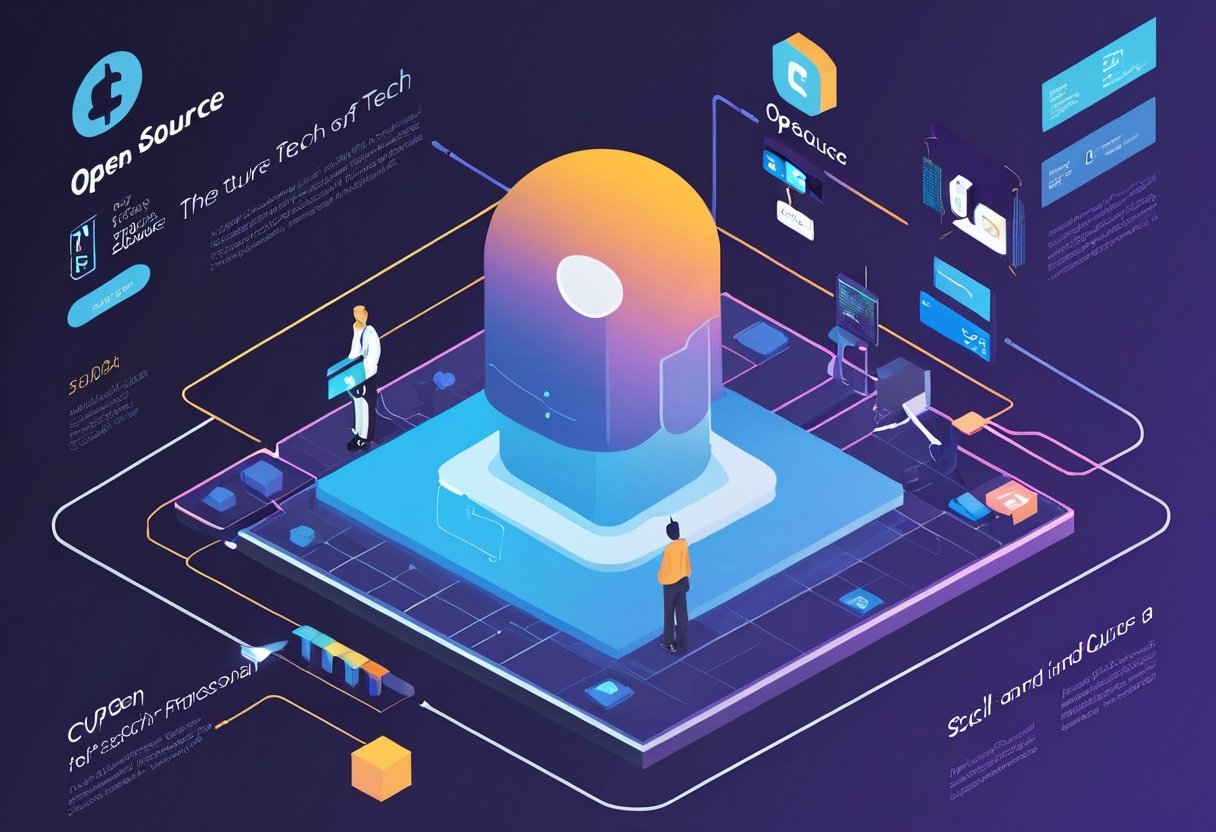
    Open Source: The Future of Tech and AI


    Introduction to Open Source

    Open source software has been around for decades, but its importance has grown significantly in recent years. With the rise of artificial intelligence (AI), open source is becoming the default choice for many developers and organizations. As Eric Raymond notes, ‘Open source is a development methodology, not a business model.’

    Benefits of Open Source

    The benefits of open source are numerous. It allows for collaboration among developers, transparency in code, and customization to meet specific needs. According to a GitHub survey, 90% of developers believe that open source is essential for their work.

    The Role of AI in Open Source

    AI is accelerating the shift towards open source by making scrutiny scalable. Automated code review and supply-chain analysis are just a few examples of how AI is being used to improve open source software. As Forbes notes, ‘AI is the future of open source, and open source is the future of AI.’

    Examples of Open Source AI

    There are many examples of open source AI projects, including TensorFlow and PyTorch. These projects have democratized access to AI and have enabled developers to build innovative applications. According to a Red Hat survey, 75% of organizations are using open source AI in their development workflows.

    Conclusion

    In conclusion, open source is the default future of tech and AI. With its numerous benefits and the accelerating role of AI, open source is becoming the go-to choice for developers and organizations. As Linus Torvalds notes, ‘The future of technology is open source.’

Oh hi there 👋
It’s nice to meet you.

Sign up to receive awesome content in your inbox, every Day.

We don’t spam! Read our privacy policy for more info.