Tag: AI

  • The AI Investment Conundrum: J.P. Morgan’s $650 Billion Dilemma

    The AI Investment Conundrum: J.P. Morgan’s $650 Billion Dilemma


    Introduction to the AI Investment Conundrum

    As the world delves deeper into the realm of Artificial Intelligence (AI), the financial implications of such ventures are coming to the forefront. Recently, J.P. Morgan highlighted the immense cost associated with AI development, stating that a whopping $650 billion in annual revenue would be required to deliver a mere 10% return on AI buildout. This staggering figure translates to $35 from every iPhone user or $180 from every Netflix subscriber ‘in perpetuity’. The question on everyone’s mind is: can such an investment yield the expected returns, and what does this mean for the future of AI development?

    Understanding the Cost of AI Development

    The development of AI is a complex and costly endeavor. From research and development to deployment and maintenance, the expenses add up quickly. According to various sources, including a report by McKinsey, the cost of developing and deploying AI solutions can range from a few million dollars to tens of billions of dollars, depending on the scope and complexity of the project. J.P. Morgan’s estimate of $650 billion in annual revenue required to achieve a 10% return on investment highlights the significant financial commitment needed to drive AI innovation forward.

    Breakdown of AI Development Costs

    The costs associated with AI development can be broken down into several key areas, including talent acquisition and retention, data collection and processing, and infrastructure development. The cost of hiring and retaining top AI talent can be substantial, with salaries ranging from $100,000 to over $1 million per year, depending on the level of experience and expertise. Additionally, the collection, processing, and storage of large datasets required to train AI models can be a significant expense, with costs ranging from tens of thousands to millions of dollars per year.

    Implications of J.P. Morgan’s Estimate

    J.P. Morgan’s estimate of $650 billion in annual revenue required to achieve a 10% return on AI investment has significant implications for the future of AI development. For one, it highlights the need for substantial investment in AI research and development, as well as the importance of creating sustainable business models that can support the long-term growth and development of AI solutions. Furthermore, it underscores the importance of collaboration and knowledge-sharing among industry stakeholders, including tech companies, investors, and policymakers, to drive AI innovation forward and ensure that the benefits of AI are shared by all.

    Expert Insights and Analysis

    According to Dr. Kai-Fu Lee, a renowned AI expert and venture capitalist, ‘the development of AI is a marathon, not a sprint. It requires significant investment, patience, and perseverance to achieve meaningful returns.’ Similarly, Forbes notes that ‘the future of AI depends on our ability to create sustainable business models that can support the long-term growth and development of AI solutions.’ These insights highlight the importance of taking a long-term view when it comes to AI development and investment.

    Conclusion and Future Outlook

    In conclusion, J.P. Morgan’s estimate of $650 billion in annual revenue required to achieve a 10% return on AI investment is a sobering reminder of the significant financial commitment needed to drive AI innovation forward. As we look to the future, it is clear that the development of AI will require sustained investment, collaboration, and knowledge-sharing among industry stakeholders. By working together and taking a long-term view, we can unlock the full potential of AI and create a brighter future for all.

  • Bill Gates Warns of AI Bubble Similar to Dot-Com

    Bill Gates Warns of AI Bubble Similar to Dot-Com

    Introduction to the AI Bubble

    The recent surge in artificial intelligence (AI) investments has sparked concerns of a potential bubble, similar to the dot-com bubble of the late 1990s. Bill Gates, the billionaire philanthropist and co-founder of Microsoft, has weighed in on the matter, stating that the current AI bubble is akin to the dot-com bubble, but with some key differences.

    Parallels with the Dot-Com Bubble

    According to Gates, the current AI bubble is characterized by a surge in investments, with over 1,300 AI startups having valuations of over $100 million, and 498 AI “unicorns” with valuations of $1 billion or more, as reported by CB Insights. This has led to concerns that the AI boom is a looming bubble that will eventually burst, similar to the dot-com bubble.

    Differences from the Dot-Com Bubble

    However, Gates notes that the current AI bubble is not a product of pure speculation, unlike the dot-com bubble. Many of today’s larger AI players have legitimate revenue and earnings, and AI technology appears to be yielding real productivity gains. For example, NVIDIA’s share price has surged approximately 1300% since late 2022, and companies like OpenAI and Databricks have significant valuations, with OpenAI valued at over $300 billion.

    Expert Insights and Analysis

    Analysts and experts have varying opinions on the matter. Some, like Jared Bernstein, former Biden CEA chairman, point out that the share of the economy devoted to AI investment is nearly a third greater than the share of the economy devoted to internet-related investments during the dot-com bubble. Others, like Garran, conclude that the current frenzy is 17 times bigger than the dot-com bubble and four times bigger than the 2008 real-estate bubble.

    Market Impact and Future Implications

    The potential burst of the AI bubble could have significant implications for the market and industry. If the bubble bursts, it could lead to a significant decline in investments and valuations, potentially harming companies that have invested heavily in AI. On the other hand, if the AI bubble is sustained, it could lead to significant advancements in AI technology and its applications, potentially transforming industries and revolutionizing the way we live and work.

    Conclusion

    In conclusion, while the current AI bubble shares some similarities with the dot-com bubble, there are key differences. The AI bubble is driven by real technological advancements and potential applications, rather than pure speculation. However, the potential risks and implications of the bubble bursting should not be ignored, and investors and companies should be cautious and strategic in their investments and decisions.

  • The Rise of Forward-Deployed Engineers in AI

    The Rise of Forward-Deployed Engineers in AI


    Introduction to Forward-Deployed Engineers

    The demand for forward-deployed engineers has skyrocketed, with job listings for such AI roles on Indeed jumping over 800% between January and September this year, as reported by Indeed’s Hiring Lab and the Financial Times. This trend highlights the industry’s push to make AI products more practical and useful for businesses.

    What do Forward-Deployed Engineers Do?

    Forward-deployed engineers design customized solutions so that AI tools deliver value instead of just sounding impressive. According to Michelle Lim, co-founder of tech start-up Flint, the FDE position is “an evolution of the solutions engineer,” describing it as the perfect fit for technical professionals who want to engage deeply with customers.

    Industry Influence and Job Description

    Pioneered by Palantir, leading artificial intelligence (AI) companies, including OpenAI and Anthropic, are on the lookout for forward-deployed engineers. These professionals will not only be expected to write code but also to understand customer needs and help them leverage AI tools effectively.

    Real-World Examples and Success Stories

    Novo Nordisk reduced clinical documentation time by 90% with the help of embedded Anthropic engineers, and John Deere cut chemical spraying by leveraging AI solutions. These examples demonstrate the tangible impact forward-deployed engineers can have on businesses.

    Market Trend and Hiring War

    The Financial Times reports a hiring war for technical specialists who embed directly within companies to make AI actually work. This trend is expected to continue as platform companies, especially AI, data, identity, and ERP, are under massive pressure to prove time-to-value.

    Positioning Yourself for the Role

    To become a forward-deployed engineer, one needs to combine deep technical knowledge with hands-on collaboration skills. As Craig Hepburn, AI Strategist & Builder, notes, the role requires a unique blend of software, sales, and platform engineering skills.

  • Tech YouTuber’s Account Terminated by AI: A Cautionary Tale

    Introduction to the Issue

    A recent incident involving a tech YouTuber, known as Enderman, has brought to light the potential risks of relying solely on Artificial Intelligence (AI) for content moderation. Enderman, who has over 350,000 subscribers on their main account, had their account terminated by YouTube’s AI system without any human intervention.

    Background on Enderman’s Situation

    According to Dexerto, Enderman’s issues with YouTube began when one of their secondary accounts was terminated without warning. This prompted Enderman to express concerns about the potential termination of their main account, which ultimately happened.

    Implications of AI-Driven Terminations

    The termination of Enderman’s account raises important questions about the role of AI in content moderation and the potential consequences for creators. As reported by Dexerto, Enderman’s situation highlights the need for human oversight in the decision-making process to ensure that such terminations are fair and just.

    Expert Insights and Analysis

    Experts in the field of AI and content moderation argue that while AI can be an effective tool for identifying and removing harmful content, it should not be relied upon as the sole decision-maker. Human intervention is necessary to ensure that the context and nuances of each situation are taken into account.

    Conclusion and Future Implications

    In conclusion, the termination of Enderman’s account by YouTube’s AI system serves as a cautionary tale about the potential risks of relying solely on AI for content moderation. As the use of AI in this area continues to grow, it is essential that platforms prioritize human oversight and intervention to ensure that decisions are fair, just, and transparent.

  • AI’s Impact on Junior Developers: Challenges and Opportunities

    Introduction to the Challenge

    The rise of Artificial Intelligence (AI) in the tech industry has sparked a heated debate about its impact on junior developers. According to a post on Reddit’s r/programming, AWS CEO Adam Selipsky stated that replacing junior developers with AI is the dumbest thing he’s ever heard. This sentiment is echoed by many in the industry, who believe that AI is not a replacement for human developers, but rather a tool to augment their work.

    The Current State of Junior Developer Roles

    A recent YouTube video, The Junior Dev Role Will Look Different With AI, highlights the changing landscape of junior developer roles. The video suggests that AI will handle mundane tasks, freeing up junior developers to focus on more complex and interesting problems. This shift will require junior developers to have a stronger foundation in programming fundamentals, as well as the ability to work alongside AI tools.

    Expert Insights and Analysis

    Industry leaders, such as Nicholas Ma, Staff Machine Learning Engineer at Iterable, believe that junior developers with strong fundamentals will remain in demand. Ma comments that AI is just a tool and should be considered as such. Junior developers who can’t do their tasks without AI won’t last long, emphasizing the need for a strong foundation in programming.

    Market Impact and Future Implications

    The job market for junior developers is becoming increasingly competitive, with software job postings for entry-level roles dropping since 2022. According to Code Conductor, unemployment rates for computer science graduates have risen to around 6-7%. This trend is largely due to economic uncertainty and AI efficiency gains, making it essential for junior developers to adapt and learn to work with AI tools.

    Practical Takeaways

    For junior developers to succeed in this new landscape, they must focus on building a strong foundation in programming fundamentals, as well as learning to work alongside AI tools. Employers should also redefine tech jobs and set clear expectations for the use of AI in the development process. By doing so, junior developers can focus on solving complex problems and driving innovation in the industry.

  • Jerome Powell Warns of AI Hiring Apocalypse

    Jerome Powell Warns of AI Hiring Apocalypse

    Introduction to the AI Hiring Apocalypse

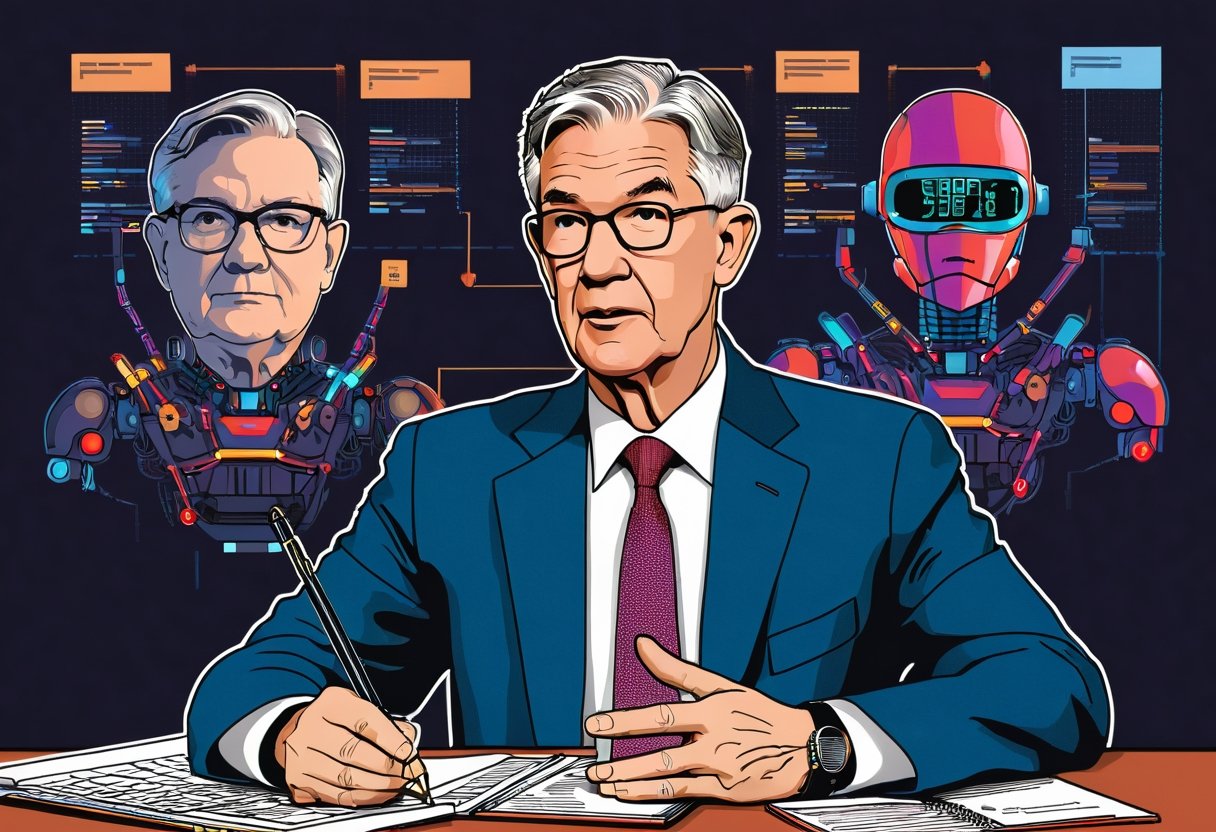
    Federal Reserve Chair Jerome Powell has sounded the alarm on the impact of artificial intelligence (AI) on the job market, stating that ‘job creation is pretty close to zero.’ This stark warning comes as the US labor market appears healthy on the surface, with an unemployment rate of 4.3% and solid consumer spending. However, beneath the surface, the situation is more dire, with nearly 946,000 layoffs announced so far this year, according to a Challenger, Gray & Christmas report.

    Understanding the Impact of AI on Job Creation

    Powell’s comments highlight the growing concern that AI and automation are not only killing jobs but also failing to create new ones. The data supports this claim, with over 17,000 layoffs explicitly tied to AI and another 20,000 to automation. As Powell noted, ‘job creation is very low, and the job-finding rate for people who are unemployed is very low.’ This double whammy of job loss and lack of creation has significant implications for the economy and society as a whole.

    Expert Insights and Analysis

    Experts agree that the current wave of AI investment is grounded in profit-making firms and real economic activity, rather than speculative exuberance. However, this does not necessarily translate to job creation. In fact, the opposite may be true, as companies increasingly rely on AI and automation to boost output and reduce costs. As reported by Yahoo Finance, Powell acknowledged that many recent layoff announcements from major corporations ‘are talking about AI and what it can do.’

    Technical Analysis and Market Impact

    From a technical perspective, the integration of AI and automation into various industries is likely to continue, driven by advancements in machine learning, natural language processing, and computer vision. While this may lead to increased efficiency and productivity, it also poses significant challenges for workers who are displaced by automation. The market impact of this trend will be far-reaching, with potential consequences for economic growth, income inequality, and social stability.

    Future Implications and Practical Takeaways

    So, what does this mean for the future of work and the economy? Firstly, it is essential to recognize that AI and automation are not going away and will continue to shape the job market. Secondly, policymakers, businesses, and individuals must work together to develop strategies for mitigating the negative impacts of AI on employment. This may involve investing in education and retraining programs, promoting entrepreneurship and innovation, and implementing policies that support workers who are displaced by automation. As reported by AOL, Powell stated that the Fed is ‘watching that very carefully,’ emphasizing the need for close monitoring and proactive action.

    Conclusion and Call to Action

    In conclusion, Jerome Powell’s warning about the AI hiring apocalypse is a timely reminder of the need for vigilance and action in the face of rapid technological change. As we move forward, it is crucial to prioritize the development of strategies that support workers, promote innovation, and ensure that the benefits of AI and automation are shared by all. We must work together to create a future where technology enhances human capabilities, rather than replacing them.

  • Grok 2 vs ChatGPT: The Future of Social Media AI

    Grok 2 vs ChatGPT: The Future of Social Media AI

    Introduction to Grok and ChatGPT

    Grok and ChatGPT are two of the most advanced AI chatbots available today, backed by tech titans Elon Musk and Sam Altman, respectively. According to learn.g2.com, Grok is fast, unfiltered, and a little chaotic, while ChatGPT is structured, safe, and built for scale.

    Key Differences

    As noted by ki-company.ai, Grok will not just be a chatbot, but part of an intelligent ecosystem, which filters content, generates suggestions, and takes digital communication to a new level. In contrast, ChatGPT is designed for a variety of technical and creative tasks and integrates with popular business applications, as stated by DigitalOcean.

    Grok vs ChatGPT: Features and Use Cases

    According to Phaedra Solutions, Grok is perfect for the latest information, with real-time data retrieval and a witty, informal tone. On the other hand, ChatGPT has web browsing capabilities but may not retrieve the latest updates as swiftly as Grok. Zapier notes that both Grok and ChatGPT offer powerful models, but ChatGPT has a lot of extra features.

    Expert Insights and Technical Analysis

    Experts in the field, such as those at learn.g2.com, suggest that the choice between Grok and ChatGPT depends on the specific needs of the user. While Grok excels in real-time information and social integration, ChatGPT offers better value and versatility across various applications.

    Market Impact and Future Implications

    The acquisition of X by xAI, as explained by ki-company.ai, allows xAI to access data and users without external dependencies, making it easier to develop powerful AI systems. This could potentially disrupt the social media landscape and change the way we interact with AI.

    In conclusion, the battle between Grok and ChatGPT is not just about which AI chatbot is better, but about two different visions for the future of AI and social media. As the technology continues to evolve, it will be interesting to see how these two platforms adapt and innovate.

  • Revolutionizing Brain Surgery with MRI-Guided Neurosurgery

    Revolutionizing Brain Surgery with MRI-Guided Neurosurgery

    Introduction to MRI-Guided Neurosurgery

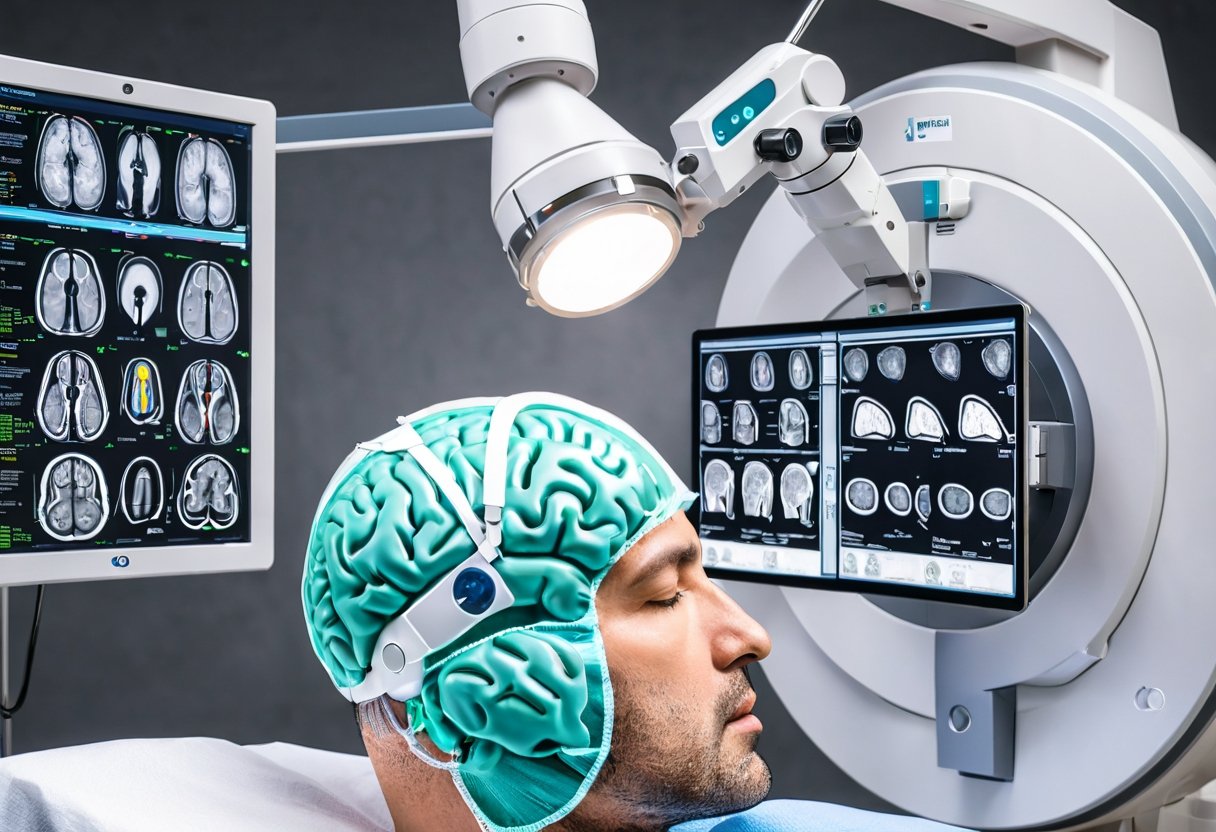
    MRI-guided neurosurgery is transforming the field of brain surgery by providing unprecedented precision and improving patient outcomes. This innovative approach combines real-time imaging, artificial intelligence, and robotics to redefine surgical precision. According to Faisal Ahmad, the integration of AI, robotics, and real-time imaging into surgical workflows is pushing the boundaries of what’s surgically possible, offering new hope to patients with complex neurological conditions.

    Why Is MRI-Guided Neurosurgery the Future of Precision Medicine?

    MRI-guided neurosurgery represents a significant leap in technological evolution, redefining surgical precision. By combining real-time visualization, AI-driven analytics, and robotic stability, it allows surgeons to operate with confidence and adaptability. As noted in Source 1, this integration is pushing the boundaries of what’s surgically possible, offering new hope to patients with complex neurological conditions.

    Role of Robotics in Neurosurgery

    Robotics in neurosurgery has been evolving over the years, with significant advancements in recent times. According to Source 2, the role of robotics in neurosurgery is less defined in certain segments, but available technology shows promising results in bringing a paradigm shift in other areas of neurosurgery. The development of robot-assisted microsurgery systems, such as the one developed by NASA in 1995, has been a major noteworthy advancement, using MRI for real-time imaging and better visualization of anatomical structures.

    MRI-Guided Robotic Positioner to Enhance Neurosurgery Precision

    The MRI-guided robotic positioner is a key breakthrough in MRI-guided stereotactic neurosurgery, allowing for precise interventions. As stated in Source 3, this system is capable of assisting with interventions involving cannula/needle targeting, including deep brain stimulation (DBS), for the treatment of movement disorders like Parkinson’s disease. The system can eliminate intrinsic errors in conventional frame-based stereotaxis, increasing insertion precision and securing surgical outcomes.

    New MRI Technology Improves Imaging Guidance for Neurosurgery

    New MRI technology is improving imaging guidance for neurosurgery, providing a paradigm-shifting approach for the more than 1.3 million people in the U.S. living with a brain tumor. According to Source 4, this technology could revolutionize how neurosurgeons make decisions, providing new understanding of the brain’s frontal cortex, an important center of cognition. The ability to collect both functional and metabolic information simultaneously could provide neurosurgeons with a new level of precision to delineate spatial margins between brain tumors and adjacent eloquent cortex, maximizing tumor resection while preserving important brain function.

    Conclusion

    In conclusion, MRI-guided neurosurgery is transforming the field of brain surgery, providing unprecedented precision and improving patient outcomes. The integration of AI, robotics, and real-time imaging into surgical workflows is pushing the boundaries of what’s surgically possible, offering new hope to patients with complex neurological conditions. As this technology continues to evolve, we can expect to see significant improvements in the field of neurosurgery, leading to better patient outcomes and more effective treatments for complex neurological conditions.

  • The Journey from AI to AGI: Unimaginable Innovations on the Horizon

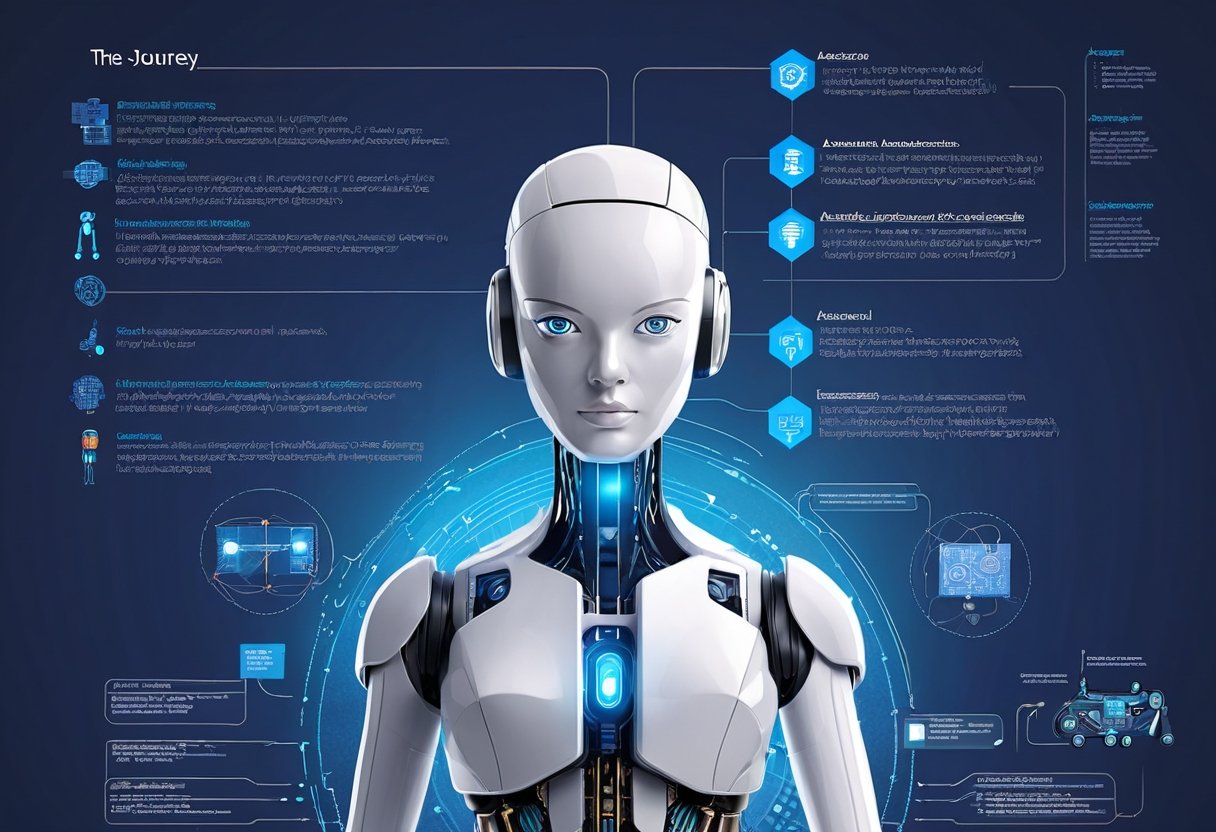
    The Journey from AI to AGI: Unimaginable Innovations on the Horizon

    The Road to AGI: A Timeline of Breakthroughs

    As AI continues to advance at an unprecedented rate, we find ourselves on the cusp of a revolution that will redefine the very fabric of our world.

    A Glimpse into the Past: Early Milestones

    The AI timeline is marked by significant milestones that have brought us to this juncture. From the early days of 2015 to the present, researchers and innovators have pushed the boundaries of what is possible.

    In 2015, the concept of AI was still in its infancy, with the likes of Google and Microsoft dabbling in machine learning. However, it wasn’t until 2016 that the AI landscape began to take shape.

    2016 saw the emergence of GPT-3, a groundbreaking language model that paved the way for future innovations. The following years witnessed the release of MuZero, DALL-E, and other pivotal models that have shaped the AI landscape.

    Recent Breakthroughs: AGI on the Horizon

    Fast-forward to the present, and we find ourselves on the cusp of a new era. Recent breakthroughs such as Gato, Claude 3.5 Sonnet, and xAI Colossus have brought us closer to achieving General Intelligence.

    The EU AI Act, signed into law in 2024, has brought much-needed regulation to the AI sector. As researchers and innovators push the boundaries of what is possible, we must ensure that AGI is developed responsibly and ethically.

    The Future of AI: Implications and Possibilities

    The journey from AI to AGI is not without its challenges. As we hurtle towards a future where machines possess general intelligence, we must confront the implications of such a reality.

    Will AGI bring about unprecedented benefits, or will it pose existential risks? The answer lies in our ability to develop and deploy AGI responsibly.

    Expert Insights

    AI expert, Dr. Andrew Ng, notes that ‘AGI is not just about creating a superintelligent machine, but about understanding the underlying principles that govern intelligence.’

    Another expert, Dr. Demis Hassabis, highlights the importance of ‘developing AGI in a way that complements human capabilities, rather than replacing them.’

    Technical Analysis

    AGI is not a single entity, but rather a culmination of various AI models and technologies. The convergence of deep learning, natural language processing, and computer vision has brought us to the threshold of General Intelligence.

    The technical analysis of AGI is complex and multifaceted, involving the integration of multiple AI models, data, and algorithms.

    Market Impact

    The impact of AGI on the market will be profound. As machines possess general intelligence, industries such as healthcare, finance, and education will undergo a seismic shift.

    The potential benefits of AGI include increased productivity, improved decision-making, and enhanced innovation. However, the risks associated with AGI, such as job displacement and bias, must be mitigated.

    Future Implications

    The future of AGI is uncertain, but one thing is clear – we must develop and deploy AGI responsibly. The implications of AGI will be far-reaching, influencing various aspects of our lives, from work to leisure.

    As we embark on this journey, we must remain vigilant, ensuring that AGI is developed in a way that benefits humanity as a whole.

  • The Toxic Workplace Culture: How One Tech CEO’s Humiliation Led to Murder

    The Toxic Workplace Culture: How One Tech CEO’s Humiliation Led to Murder

    The Dark Side of Tech: How Workplace Humiliation Can Have Deadly Consequences

    Discover the shocking story of a tech CEO who allegedly humiliated his employees before his murder, revealing the dark side of workplace culture and its devastating consequences.

    The Toxic Workplace Culture

    The alleged humiliation of employees by a tech CEO is a stark reminder of the toxic workplace culture that can be prevalent in the tech industry.

    Leadership plays a crucial role in shaping the culture of an organization, and a toxic leader can have far-reaching consequences.

    The intersection of technology and humanity is a delicate one, and companies must prioritize the well-being and dignity of their employees.

    Practical Takeaways

    Companies must prioritize creating a positive and inclusive work culture to remain competitive in the market.

    Leadership plays a crucial role in shaping the culture of an organization, and a toxic leader can have far-reaching consequences.

    The intersection of technology and humanity is a delicate one, and companies must prioritize the well-being and dignity of their employees.

Oh hi there 👋
It’s nice to meet you.

Sign up to receive awesome content in your inbox, every Day.

We don’t spam! Read our privacy policy for more info.