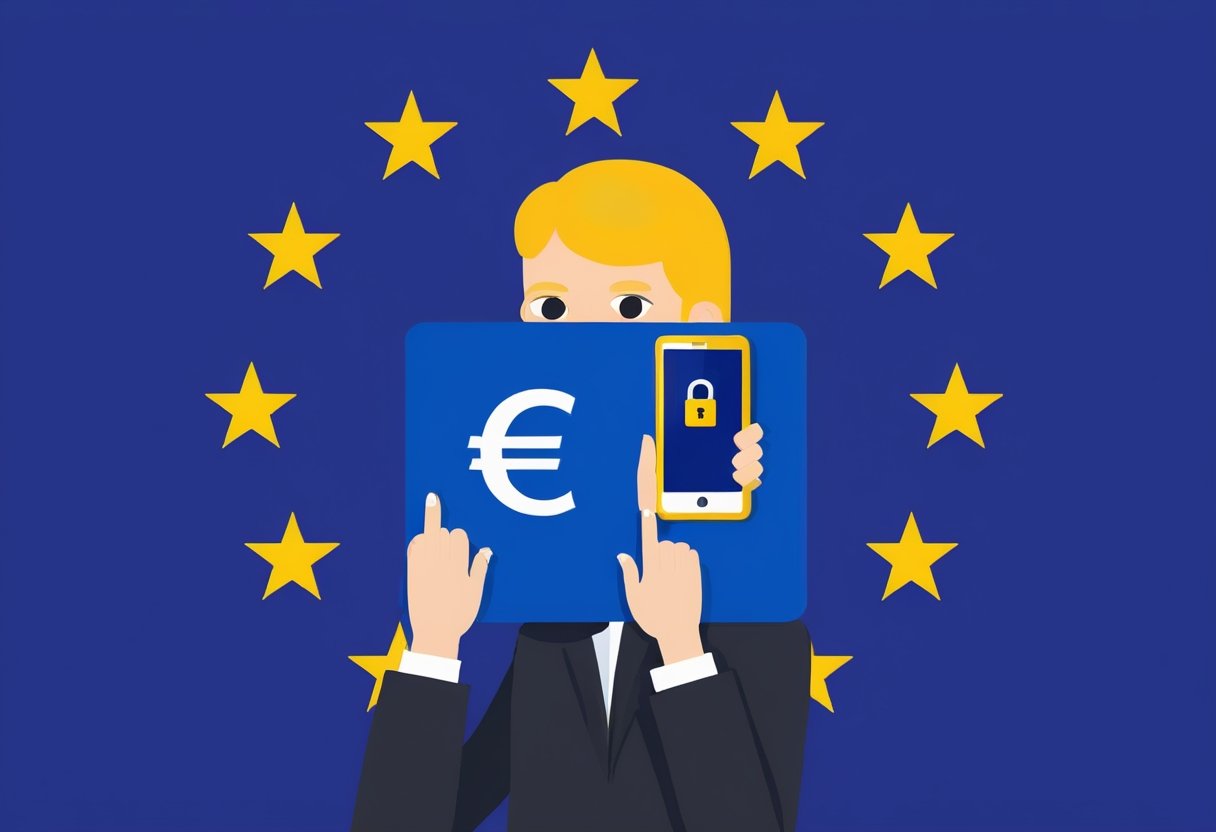
Vitalik Buterin, the co-founder of Ethereum, recently made headlines by slamming the EU’s chat control law as a threat to digital privacy. But what caught my attention wasn’t the announcement itself, but the timing. The EU’s proposal to regulate end-to-end encrypted messaging services is just the tip of the iceberg in a much larger debate about data sovereignty and digital rights.
The reality is, the EU’s move is just one of many attempts by governments and corporations to exert control over the online world. From China’s Great Firewall to the Indian government’s efforts to ban VPNs, it’s clear that the digital landscape is increasingly becoming a battleground for power.
But here’s the thing: this isn’t just a battle about data sovereignty – it’s also a battle about the future of the internet. The EU’s proposal, for instance, requires messaging services to provide governments with access to encrypted communications. But this raises a fundamental question: what happens when governments start to use this power to silence dissenting voices or stifle innovation?
The numbers tell a fascinating story. According to a recent report by the Global Voices Advocacy Network, governments around the world have used internet shutdowns and censorship to suppress dissenting voices in over 50 countries. And it’s not just governments – corporations are also increasingly using their power to shape the online narrative.
The Bigger Picture
The EU’s chat control law is just one of many attempts by governments and corporations to exert control over the online world. But here’s why this matters more than most people realize: it’s a battle for the future of the internet. The internet was born out of a desire for freedom and openness, but it’s increasingly becoming a battleground for power.
So, what’s the big deal about end-to-end encryption? In simple terms, it’s a way of ensuring that only the sender and recipient of a message can read it – not governments, not corporations, not even the messaging service itself. But this is exactly what the EU’s proposal seeks to undermine.
The impact is already being felt. Messaging services like WhatsApp and Telegram are already feeling the heat, with some countries pushing for backdoors to be installed in their apps. And it’s not just messaging services – the whole digital economy is at stake. If governments are able to access encrypted communications, it could have far-reaching implications for online commerce, finance, and more.
Under the Hood
So, how does this relate to the technology itself? In simple terms, end-to-end encryption is a complex system that relies on public-key cryptography. When a message is sent, it’s encrypted using the recipient’s public key, which can only be decrypted using their private key. This ensures that only the sender and recipient can read the message – not governments, not corporations, not even the messaging service itself.
But here’s the thing: this system is already being undermined by governments and corporations. For instance, some governments are pushing for backdoors to be installed in messaging apps, which would allow them to access encrypted communications. And it’s not just messaging apps – the whole digital economy is at stake.
The technical implications are far-reaching. If governments are able to access encrypted communications, it could have serious implications for online security. For instance, it could allow hackers to intercept sensitive information, or give governments the power to silence dissenting voices. And it’s not just technical implications – there are also human implications. The loss of digital rights could have serious consequences for freedom of expression, association, and more.
What’s Next
So, what’s the future of the internet going to look like? Will governments and corporations continue to exert control over the online world, or will the digital economy continue to thrive in the face of adversity? The answer is complex, but one thing is certain: the stakes are high. The future of the internet is at stake, and it’s up to us to shape its course.
As I see it, there are a few possible scenarios. First, governments and corporations could continue to exert control over the online world, leading to a fragmented and censored internet. Second, the digital economy could continue to thrive in the face of adversity, leading to a more open and free internet. And third, there could be a complete overhaul of the digital economy, leading to a new era of digital rights and freedoms.
The market impact is already being felt. Messaging services like WhatsApp and Telegram are already feeling the heat, with some countries pushing for backdoors to be installed in their apps. And it’s not just messaging services – the whole digital economy is at stake. If governments are able to access encrypted communications, it could have far-reaching implications for online commerce, finance, and more.
What This Means for the Future
So, what does this mean for the future of the internet? In short, it’s a battle for the future of the internet. The EU’s chat control law is just one of many attempts by governments and corporations to exert control over the online world. But here’s the thing: this isn’t just a battle about data sovereignty – it’s also a battle about the future of the internet.
As I see it, there are a few possible scenarios. First, governments and corporations could continue to exert control over the online world, leading to a fragmented and censored internet. Second, the digital economy could continue to thrive in the face of adversity, leading to a more open and free internet. And third, there could be a complete overhaul of the digital economy, leading to a new era of digital rights and freedoms.