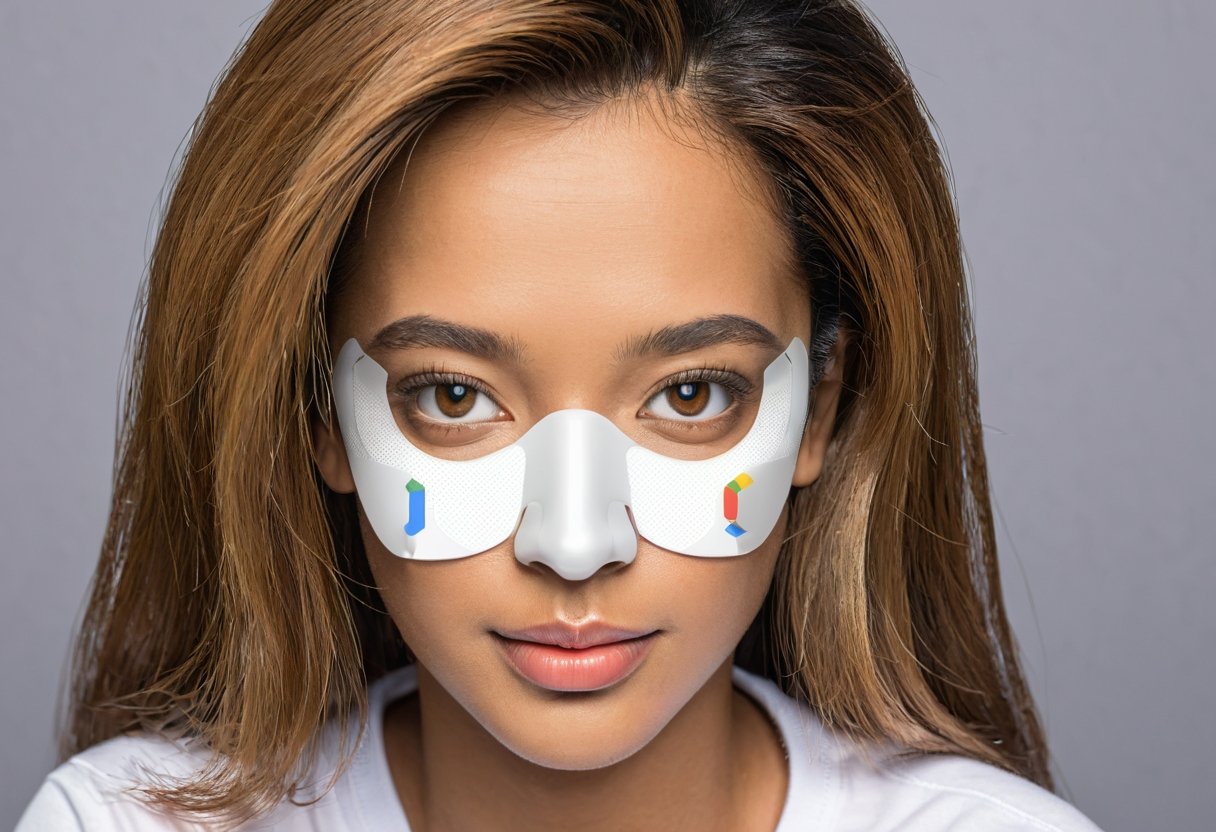
Introduction to Google’s Image Generation AI
Google’s image generation AI has been making waves in the tech community, with its ability to create realistic images that are almost indistinguishable from real photos. However, many of us can’t help but feel a sense of déjà vu when we see these images. The poses, the lighting, the random vacation-style smiling family – it’s all too familiar.
The Role of Google Photos in Training AI
While Google hasn’t explicitly confirmed that it uses Google Photos to train its image generation AI, it’s likely that the company is leveraging its vast repository of user-uploaded images to improve its AI models. After all, Google Photos has been around since 2015 and has amassed a staggering number of high-quality images.
Technical Analysis of Image Generation AI
Google’s image generation AI uses a combination of machine learning algorithms and neural networks to generate images. The process involves training the AI model on a large dataset of images, which allows it to learn patterns and relationships between different visual elements.
Market Impact and Future Implications
The implications of Google’s image generation AI are far-reaching. For one, it has the potential to revolutionize the field of computer vision, enabling applications such as self-driving cars and facial recognition technology. However, it also raises important questions about data privacy and the ethics of using user-generated content to train AI models.
Practical Takeaways and Expert Insights
So what can we learn from Google’s image generation AI? For starters, it’s clear that the company is committed to pushing the boundaries of what’s possible with AI. However, it’s also important to consider the potential risks and implications of this technology, particularly when it comes to data privacy and user consent.