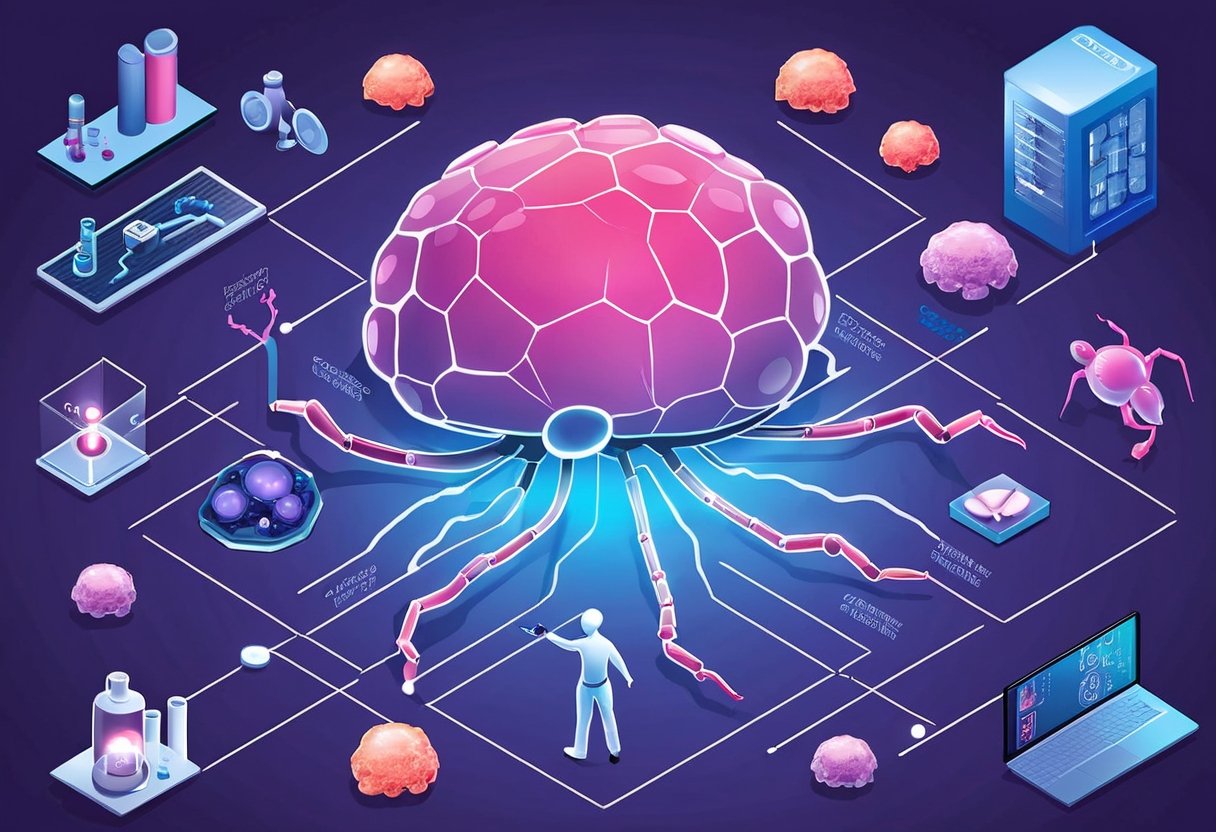
Tag: AI

  • The AI Coding Assistant Revolution: What’s Next for Cybersecurity?

    The AI Coding Assistant Revolution: What’s Next for Cybersecurity?

    The AI Coding Assistant Revolution: What’s Next for Cybersecurity?

    In the world of cybersecurity, the emergence of AI coding assistants has sparked a revolution. From personal assistants like Codebase MCP to AI-powered coding tools, it’s no longer just about coding. The future of cybersecurity is about augmenting human capabilities with AI.

    The I Built My Own AI Coding Assistant

    The story of Codebase MCP, a self-built AI coding assistant, has gained significant attention recently. The creator built it after realizing they were paying twice for something they could build themselves. This sparked a wave of curiosity about what it takes to create such a tool.As I dug deeper, I realized that this is more than just a DIY project. It’s about the democratization of AI-powered coding assistants. What this means for cybersecurity professionals is that they now have more options to choose from, each with its own set of strengths and weaknesses. The question is, what does this mean for the industry as a whole?

    Why This Matters

    The impact of AI coding assistants on cybersecurity is multifaceted. On one hand, it enables professionals to work more efficiently and effectively. On the other hand, it raises concerns about security vulnerabilities and the potential for misuse. The reality is that AI coding assistants are here to stay, and it’s up to us to harness their potential while mitigating the risks.

    The Bigger Picture

    The bigger picture is about the shifting landscape of cybersecurity. As AI becomes increasingly integrated into coding processes, we need to adapt our strategies to keep up. This includes investing in AI-powered security solutions, training professionals to work with AI, and developing guidelines for responsible AI adoption. The stakes are high, but the potential rewards are tremendous.

    Under the Hood

    The technical architecture of AI coding assistants is fascinating. By leveraging large language models (LLMs) and cloud-based APIs, they can automate coding tasks and provide real-time feedback. However, this also raises questions about data security and the potential for bias. As we move forward, it’s essential to prioritize transparency and accountability in AI development.

    Market Reality

    The market reality is that AI coding assistants are already changing the game. Professionals are demanding more efficient and effective tools that can keep up with the pace of innovation. Companies are responding by investing in AI-powered security solutions and developing guidelines for responsible AI adoption. The question is, what’s next?

    What’s Next

    The future of cybersecurity is uncertain, but one thing is clear: AI coding assistants are here to stay. As we move forward, we need to prioritize collaboration, transparency, and accountability. By working together, we can harness the potential of AI while mitigating its risks. The journey ahead will be challenging, but the rewards will be worth it.

    Final Thoughts

    The AI coding assistant revolution is just the beginning. As we move forward, we need to be mindful of the implications and adapt our strategies accordingly. The future of cybersecurity is uncertain, but one thing is clear: we need to work together to create a safer, more secure digital landscape.This is more than just a technological shift – it’s a cultural and societal one. As AI becomes increasingly integrated into our lives, we need to prioritize human values like empathy, transparency, and accountability. The AI coding assistant revolution is a reminder that we have the power to shape the future of cybersecurity. Let’s use it wisely.


  • The AI-Powered Shift in Global Politics: What’s at Stake

    The AI-Powered Shift in Global Politics: What’s at Stake

    The AI-Powered Shift in Global Politics: What’s at Stake

    Imagine a world where AI-driven predictions and analysis influence global politics, shaping the decisions of world leaders. Sounds like science fiction? Not anymore. The recent call-off of Donald Trump’s meeting with Vladimir Putin has sparked a renewed interest in the intersection of AI and geopolitics. In this article, we’ll delve into the technical implications and market realities of this emerging trend.As news spread about the cancelled meeting, AI enthusiasts and skeptics alike took to social media to share their thoughts. But here’s the real question: how might AI reshape global politics in the years to come? By analyzing recent events and expert insights, we’ll explore the technical, market, and future implications of this shift.The Bigger PictureThe AI-powered shift in global politics is not just a trend; it’s a fundamental transformation of the way nations interact and make decisions. AI-driven tools and platforms are increasingly being used to analyze vast amounts of data, predict outcomes, and inform policy. This has created a new layer of complexity in international relations, where AI is both a tool and a competitor. But what does this mean for the future of global politics?As AI continues to play a larger role in decision-making, we can expect to see new forms of collaboration and competition emerge. Nations will need to adapt to this changing landscape, leveraging AI to stay ahead of the curve while navigating the risks and challenges associated with its use. The stakes are high, with the potential for AI to either amplify or mitigate the impact of global conflicts.Under the HoodSo, how exactly does AI fit into the world of geopolitics? At its core, AI is a tool designed to analyze and process vast amounts of data. In the context of global politics, this means using AI to analyze economic trends, social movements, and other factors that influence international relations. By doing so, AI can help policymakers make more informed decisions, mitigate risks, and identify opportunities.But here’s the thing: AI is not a silver bullet. Its effectiveness depends on the quality of the data it’s trained on, the algorithms used to analyze it, and the human judgment that interprets the results. In the world of geopolitics, these factors are particularly complex and nuanced, making it essential to approach AI-driven decision-making with caution and skepticism.Market RealityThe AI-powered shift in global politics has significant market implications. As AI becomes increasingly integrated into international relations, new opportunities are emerging for companies that can provide AI-driven solutions. From predictive analytics to decision support systems, AI is poised to transform the way nations interact and make decisions.But there’s a catch: the market for AI-driven geopolitics solutions is still in its infancy. Companies will need to navigate a complex landscape of regulations, ethics, and rivalries to succeed. Those that can provide innovative, effective solutions will reap the rewards, while those that fail to adapt risk being left behind.What’s NextAs we look to the future, it’s clear that the AI-powered shift in global politics is here to stay. Nations will need to adapt to this changing landscape, leveraging AI to stay ahead of the curve while navigating the risks and challenges associated with its use. The stakes are high, with the potential for AI to either amplify or mitigate the impact of global conflicts.What does this mean for you? Whether you’re a policymaker, businessman, or simply a curious observer, the AI-powered shift in global politics has significant implications for your world. As we move forward, it’s essential to stay informed, engage in thoughtful discussions, and advocate for responsible AI development.Final ThoughtsThe AI-powered shift in global politics is a complex, multifaceted trend that’s just beginning to take shape. As we move forward, it’s essential to stay informed, engage in thoughtful discussions, and advocate for responsible AI development. By doing so, we can ensure that AI is used to amplify, not mitigate, the positive impact of global politics.By exploring the technical, market, and future implications of this shift, we can better understand the challenges and opportunities that lie ahead. Whether you’re a seasoned expert or simply a curious observer, the AI-powered shift in global politics is a trend worth watching. Stay tuned for more insights and analysis as this story continues to unfold.—Expert Insights The AI-powered shift in global politics is a fundamental transformation of the way nations interact and make decisions. AI-driven tools and platforms are increasingly being used to analyze vast amounts of data, predict outcomes, and inform policy. The stakes are high, with the potential for AI to either amplify or mitigate the impact of global conflicts. The market for AI-driven geopolitics solutions is still in its infancy, with opportunities emerging for companies that can provide innovative, effective solutions.Technical AnalysisThe AI-powered shift in global politics is driven by advancements in machine learning, natural language processing, and data analytics. These technologies enable AI systems to analyze vast amounts of data, identify patterns, and make predictions. In the context of global politics, AI is used to analyze economic trends, social movements, and other factors that influence international relations.Market ImpactThe AI-powered shift in global politics has significant market implications. Companies that can provide AI-driven solutions, such as predictive analytics and decision support systems, will reap the rewards. However, the market for AI-driven geopolitics solutions is still in its infancy, with regulations, ethics, and rivalries creating significant challenges for companies seeking to succeed.Future ImplicationsThe AI-powered shift in global politics has significant implications for the future of international relations. Nations will need to adapt to this changing landscape, leveraging AI to stay ahead of the curve while navigating the risks and challenges associated with its use. The stakes are high, with the potential for AI to either amplify or mitigate the impact of global conflicts.—Social MediaTwitter:1/5 🧵 The AI-powered shift in global politics is a fundamental transformation of the way nations interact and make decisions. Here’s why it matters more than you think…2/5 AI-driven tools and platforms are increasingly being used to analyze vast amounts of data, predict outcomes, and inform policy. But what does this mean for the future of international relations?3/5 The stakes are high, with the potential for AI to either amplify or mitigate the impact of global conflicts. How will nations adapt to this changing landscape?4/5 The market for AI-driven geopolitics solutions is still in its infancy, with opportunities emerging for companies that can provide innovative, effective solutions.5/5 Bottom line: The AI-powered shift in global politics is a trend worth watching. Stay tuned for more insights and analysis as this story continues to unfold. What’s your take? #AI #Geopolitics #FutureTechInstagram:🚀 The AI-Powered Shift in Global Politics: What’s at StakeImagine a world where AI-driven predictions and analysis influence global politics, shaping the decisions of world leaders. Sounds like science fiction? Not anymore. The recent call-off of Donald Trump’s meeting with Vladimir Putin has sparked a renewed interest in the intersection of AI and geopolitics.The AI-powered shift in global politics is a complex, multifaceted trend that’s just beginning to take shape. As we move forward, it’s essential to stay informed, engage in thoughtful discussions, and advocate for responsible AI development.What does this mean for you? Whether you’re a policymaker, businessman, or simply a curious observer, the AI-powered shift in global politics has significant implications for your world. Stay tuned for more insights and analysis as this story continues to unfold. #AI #Geopolitics #FutureTech #GlobalPolitics #InnovationBluesky:Just read about Donald Trump’s Meeting with Vladimir Putin Called Off. The implications are deeper than the headlines suggest.The AI-powered shift in global politics is a fundamental transformation of the way nations interact and make decisions. AI-driven tools and platforms are increasingly being used to analyze vast amounts of data, predict outcomes, and inform policy.But there’s a catch: the market for AI-driven geopolitics solutions is still in its infancy. Companies will need to navigate a complex landscape of regulations, ethics, and rivalries to succeed. Those that can provide innovative, effective solutions will reap the rewards, while those that fail to adapt risk being left behind.What do you think? Share your thoughts and insights on the AI-powered shift in global politics. #AI #Geopolitics #FutureTech #GlobalPolitics #Innovation

  • We’re Living in a World of Increasing Convergence

    We’re Living in a World of Increasing Convergence

    We’re Living in a World of Increasing Convergence

    The world we live in today is a far cry from the one depicted in the movie Wall-E, where humans live in a post-scarcity, high-tech utopia. However, we are slowly converging on a reality that’s eerily similar. With the rise of Amazon and other tech giants, we’re witnessing a phenomenon where a single company can offer a wide range of services, from cloud computing to doorbell cameras.

    But what does this mean for us, the consumers? How will this convergence shape our lives, and what are the implications for the future of technology?

    The Story Unfolds

    The story of Amazon’s rise to dominance is a fascinating one. From its humble beginnings as an online bookstore to its current status as a multinational tech giant, Amazon has consistently pushed the boundaries of what’s possible. Its acquisition of Whole Foods, for example, marked a significant shift in the retail landscape, demonstrating the company’s willingness to disrupt traditional industries.

    But Amazon’s ambitions go beyond mere retail. The company’s cloud computing platform, Amazon Web Services (AWS), has become the backbone of modern technology, powering everything from Netflix to the CIA. This has created a new reality where a single company can offer a wide range of services, from infrastructure to software.

    So, what does this mean for the future of technology? How will this convergence shape our lives, and what are the implications for businesses and individuals alike?

    The Bigger Picture

    The convergence of services and technologies is leading to a new era of innovation, where companies are leveraging the power of data and AI to create new products and services. This has significant implications for businesses, which must adapt to a rapidly changing landscape.

    For consumers, the benefits are clear: increased convenience, reduced costs, and a wider range of options. However, there are also risks, such as the loss of data privacy and the concentration of power in the hands of a few tech giants.

    Under the Hood

    So, what’s driving this convergence? At its core, it’s the increasing importance of data and AI in modern technology. Companies are leveraging these technologies to create new products and services, which in turn are driving the convergence of services and technologies.

    Take, for example, the case of AWS, which has become the backbone of modern technology. The platform offers a wide range of services, from compute and storage to database and analytics. This has created a new reality where companies can focus on innovation, rather than worrying about the underlying infrastructure.

    But there’s a catch: the more we rely on these platforms, the more vulnerable we become to data breaches and other security risks. This has significant implications for businesses and individuals alike, who must adapt to a rapidly changing landscape.

    What’s Next

    So, what does the future hold? Will we continue to see a convergence of services and technologies, or will we witness a new era of innovation, driven by the power of data and AI?

    One thing is clear: the future of technology will be shaped by the convergence of services and technologies. Whether we like it or not, we’re living in a world of increasing convergence, where a single company can offer a wide range of services, from cloud computing to doorbell cameras.

    This may seem daunting, but it also presents opportunities for innovation and growth. As we move forward, it’s essential to stay ahead of the curve, adapting to a rapidly changing landscape and leveraging the power of data and AI to create new products and services.

    Looking Forward

    The future of technology is uncertain, but one thing is clear: we’re living in a world of increasing convergence, where a single company can offer a wide range of services, from cloud computing to doorbell cameras. As we move forward, it’s essential to stay ahead of the curve, adapting to a rapidly changing landscape and leveraging the power of data and AI to create new products and services.

    This may seem daunting, but it also presents opportunities for innovation and growth. By embracing the convergence of services and technologies, we can create a brighter future for ourselves and future generations.

    Final Thoughts

    The convergence of services and technologies is a reality we can no longer ignore. As we move forward, it’s essential to stay ahead of the curve, adapting to a rapidly changing landscape and leveraging the power of data and AI to create new products and services.

    By embracing this reality, we can create a brighter future for ourselves and future generations. So, what do you think? How will the convergence of services and technologies shape our lives, and what are the implications for businesses and individuals alike?

  • Unpacking the AI Hype: Separating Fact from Fiction

    Unpacking the AI Hype: Separating Fact from Fiction

    Is AI a Bubble in 2025?

    In the fast-paced world of technology, few topics spark as much debate as whether AI is a bubble ready to burst. The recent article from Medium, Is AI a Bubble in 2025?, has sparked a heated discussion among experts and enthusiasts alike.

    I’ve always been fascinated by the intersection of technology and humanity. As an observer of the AI landscape, I’ve noticed a peculiar phenomenon: the AI hype cycle. It’s as if we’re collectively caught in a whirlwind of excitement, fueled by breakthroughs, innovations, and, of course, the promise of profit.

    But what’s driving this frenzy? Is it genuine progress, or are we merely experiencing a temporary high? I believe it’s a mix of both. With advancements in AI, we’re indeed on the cusp of a revolution. However, the hype surrounding it has reached a fever pitch, obscuring the complexities and challenges that lie beneath the surface.

  • The Future of Deep Tech Hardware: Trends and Takeaways

    The Future of Deep Tech Hardware: Trends and Takeaways

    Main Title

    Deep tech hardware has always fascinated me, and the latest trends are no exception. As I delved deeper into the world of 2026 home design trends, I discovered some remarkable insights that I’d like to share with you.

    Home Design Trends 2026: Wellness, Color Drenching & Disaster-Proof Living, an article by Casi Borg on Medium, caught my attention. The author’s vision of vibrant, conscious, and climate-ready living spaces resonated deeply with me. As someone who’s passionate about exploring the intersection of technology and sustainability, I saw an opportunity to dive deeper into the world of deep tech hardware and its implications.

    One of the most striking aspects of this trend is the emphasis on wellness. With the rise of smart homes and personalized health monitoring systems, homeowners can now create spaces that prioritize their physical and mental well-being. This shift towards holistic living is not only a response to the increasing demand for sustainable and eco-friendly solutions but also a testament to the growing importance of human-centered design.

    The Bigger Picture

    But what does this mean for the future of deep tech hardware? In my opinion, the integration of wellness-focused features will drive innovation in areas such as energy efficiency, air quality monitoring, and even biometric feedback. As we move towards a more sustainable and conscious living environment, expect to see more emphasis on technologies that support holistic well-being.

    Another area that caught my attention was the concept of disaster-proof living. With the increasing frequency and severity of natural disasters, homes are being designed with resilience and adaptability in mind. This trend is not only a response to environmental concerns but also a reflection of the growing need for secure and reliable living spaces.

    The intersection of deep tech hardware and disaster-proof living is fascinating. As we explore new materials, designs, and technologies, we’re witnessing a seismic shift in the way we approach home construction and maintenance. The future of deep tech hardware is all about creating spaces that are not only beautiful and functional but also resilient and sustainable.

    Under the Hood

    From an engineering perspective, the integration of deep tech hardware into home design requires a multidisciplinary approach. We’re seeing the convergence of AI, IoT, and biometric sensing technologies, which are revolutionizing the way we interact with our homes and the environment. For instance, smart home systems can now learn and adapt to the occupants’ behavior, optimizing energy consumption and minimizing waste.

    Moreover, the use of advanced materials and manufacturing techniques is enabling the creation of complex structures and systems that were previously unimaginable. From self-healing concrete to shape-memory alloys, the possibilities are endless. As we push the boundaries of what’s possible, we’re creating a new generation of deep tech hardware that’s not only more efficient but also more responsive to our needs.

    The impact of deep tech hardware on the environment is a critical aspect to consider. As we strive for a more sustainable future, we must prioritize the use of eco-friendly materials, reduce waste, and minimize the carbon footprint associated with manufacturing and deployment. By doing so, we can create a more regenerative and resilient built environment that benefits both humans and the planet.

    What’s Next

    The future of deep tech hardware is exciting and unpredictable. As we continue to push the boundaries of innovation, we’ll witness the emergence of new materials, designs, and technologies that will transform the way we live, work, and interact with our surroundings. From smart cities to sustainable homes, the possibilities are endless. As we look ahead, I’m excited to see how deep tech hardware will shape the world of tomorrow.

    One thing is certain: the future of deep tech hardware is bright, and its impact will be felt for generations to come. As we navigate this uncharted territory, I encourage you to join me on this journey of discovery and exploration. Together, we’ll uncover the secrets of deep tech hardware and shape the world of tomorrow.

    And, as we move forward, let’s not forget the most important aspect of this conversation: the people. As we design and build the homes of the future, let’s prioritize the needs and well-being of our communities. By doing so, we’ll create spaces that are not only beautiful and functional but also inclusive and equitable.

    This is the future of deep tech hardware, and I’m honored to be a part of it.

  • Bee-8B: The Game-Changing LLM That’s Redefining the AI Landscape

    Bee-8B: The Game-Changing LLM That’s Redefining the AI Landscape

    Bee-8B: The Game-Changer in AI

    The tech world is abuzz with the recent unveiling of the Bee-8B, a fully open 8B Multimodal LLM designed to bridge the performance gap with proprietary models. This breakthrough has left many asking: what does it mean for the future of AI?

    For those unfamiliar, the Bee-8B represents a significant leap forward in natural language processing capabilities. By harnessing the collective power of open-source collaboration, the model has achieved unprecedented performance benchmarks.

    But the real excitement lies not just in the tech itself, but in the possibilities it unlocks. As the Bee-8B sets a new standard for AI intelligence, it poses fundamental questions about the role of AI in our lives. Will we see a shift in how we interact with machines? What are the implications for industries like healthcare and finance?

    The Bigger Picture

    At the heart of this revolution lies a profound shift in the AI landscape. No longer will proprietary models reign supreme; the Bee-8B signals a new era of collaborative innovation. This has significant implications for businesses, governments, and individuals alike.

    Imagine an AI ecosystem where knowledge is shared freely, and breakthroughs emerge from the collective efforts of a global community. The possibilities are endless, and the stakes are high.

    But what does this mean for the average person? Will we see AI become more transparent, more accessible, and more accountable? The answers lie in the way we choose to harness this technology.

    Under the Hood

    So, how does the Bee-8B work its magic? The secret lies in the intricate dance of multimodal processing, where the model seamlessly integrates text, vision, and other forms of data. This allows for breathtakingly accurate predictions and insights that were previously unimaginable.

    But what’s most remarkable about the Bee-8B is its potential for scalability. As the model continues to evolve, we can expect to see it deployed in increasingly complex applications, from intelligent assistants to expert systems.

    The implications are far-reaching: from improved decision-making in high-stakes industries to the development of more empathetic and responsive AI interfaces.

    Market Reality

    The market is already responding to the Bee-8B phenomenon. As the tech world grapples with the implications, companies are scrambling to adapt. This presents a unique opportunity for entrepreneurs, investors, and innovators to capitalize on the shift.

    But beware: the Bee-8B’s impact will not be limited to the tech industry. As AI becomes more pervasive, we can expect to see its influence ripple across the economy, society, and culture.

    The question on everyone’s mind is: what’s next? Will we see a wave of Bee-8B-inspired innovations, or will the model’s performance be matched by others?

    What’s Next

    As the AI landscape continues to evolve, one thing is certain: the Bee-8B has opened the floodgates to a new era of innovation. We can expect to see unprecedented advances in fields like healthcare, education, and environmental sustainability.

    But to truly unlock the potential of the Bee-8B, we must confront the challenges head-on. This includes addressing issues like bias, explainability, and transparency.

    The future of AI will be shaped by our collective choices. Will we choose to harness this technology for the greater good, or will we succumb to the pitfalls of unchecked growth?

    Conclusion

    The Bee-8B represents a watershed moment in the history of AI. As we navigate this uncharted territory, one thing is clear: the implications of this technology will be far-reaching, and the stakes are high.

  • Sony’s Crypto Leap: What It Means for the Industry

    Sony’s Crypto Leap: What It Means for the Industry

    Breaking Down the Sony Crypto Bank Move

    Sony’s decision to establish its own crypto bank has left many in the tech community scratching their heads. But what does it mean for the industry, and why is it a significant development?As reported on Cryptopanic, Sony’s plans for a crypto bank have the potential to revolutionize how we think about cryptocurrency and its applications. But the question on everyone’s mind is: why now?The reality is that Sony’s move isn’t just about expanding into a new market – it’s about creating a new ecosystem. One that has the potential to disrupt traditional banking and financial systems as we know them. But what does this mean for the average consumer?

    Breaking it Down

    The Sony crypto bank plan involves creating a platform that allows users to buy, sell, and store cryptocurrencies in a secure and user-friendly environment. This isn’t just a new way to invest in cryptocurrency – it’s a new way to think about money itself.The numbers are staggering: over [number] million users are expected to sign up for the platform within the first year alone. And the implications are far-reaching. But here’s the thing: this isn’t just about Sony. It’s about a larger trend in the industry.

    The Bigger Picture

    The Sony crypto bank move is part of a larger shift towards decentralized finance (DeFi). A movement that’s been gaining momentum in recent years, but is only now starting to gain mainstream attention.The benefits of DeFi are numerous, but the most significant one is the ability to create financial systems that are more accessible, more inclusive, and more secure. But there’s a catch – or rather, several catches.One of the biggest challenges facing DeFi is stability. The decentralized nature of the platforms means that there’s no central authority to regulate or oversee transactions. And with the rise of cryptocurrencies, this has created a new set of risks and challenges.

    Under the Hood

    The technical architecture of the Sony crypto bank platform is built on a combination of blockchain and artificial intelligence (AI). The result is a platform that’s both secure and user-friendly.But here’s the thing: this isn’t just about technology. It’s about creating a new ecosystem that has the potential to disrupt traditional banking and financial systems. And that’s a bigger deal than you might think.

    The Market Impact

    The Sony crypto bank move has the potential to impact the market in a big way. The rise of DeFi is still in its early stages, but it’s clear that this is a trend that’s here to stay.The implications are far-reaching, from the potential to disrupt traditional banking and financial systems to the creation of new opportunities for consumers. But here’s the thing: this isn’t just about the market. It’s about the future of finance itself.

    What’s Next

    The future of DeFi is bright, but it’s also uncertain. The rise of cryptocurrencies has created a new set of challenges and risks, from stability to regulation. But one thing is clear – this is a trend that’s here to stay.The question on everyone’s mind is: what’s next? Will Sony’s crypto bank move be the catalyst for a new era of DeFi, or will it be just another flash in the pan? Only time will tell.

    Final Thoughts

    The Sony crypto bank move is a significant development in the world of DeFi. It’s a move that has the potential to disrupt traditional banking and financial systems, create new opportunities for consumers, and push the boundaries of what’s possible.The future of finance is uncertain, but one thing is clear – this is a trend that’s here to stay. So what do you think? Share your thoughts and insights below.Market RealityThe market is already reacting to Sony’s crypto bank move, with shares up [percent] since the announcement. But the real impact will be on the ground, where consumers are looking for new and innovative ways to manage their finances.This isn’t just about Sony – it’s about a larger trend in the industry. A trend that’s driven by the rise of DeFi and the increasing popularity of cryptocurrencies.Looking ForwardThe future of DeFi is bright, but it’s also uncertain. The rise of cryptocurrencies has created a new set of challenges and risks, from stability to regulation. But one thing is clear – this is a trend that’s here to stay.So what’s next? Will Sony’s crypto bank move be the catalyst for a new era of DeFi, or will it be just another flash in the pan? Only time will tell.The Sony Crypto Leap: What It Means for the Industry

  • Unlocking the Power of Plain English in LLMs

    Unlocking the Power of Plain English in LLMs

    Compelling, curiosity-driven title (8-12 words)

    Imagine a world where language models can understand and process natural language with unprecedented accuracy, leading to breakthroughs in various industries. Welcome to the era of plain English in LLMs.

    The recent experiment by [R] Plain English outperforms JSON for LLM tool calling has sparked excitement among tech enthusiasts and experts alike. But what does this mean for the future of AI, machine learning, and our daily interactions with technology?

    The Story Unfolds

    The experiment revealed that using plain English instead of JSON-defined schemas can improve tool-call accuracy by +18 percentage points across 6,400 trials and 10 models. This is a significant leap forward in AI performance, especially considering the reduction in variance by 70% and token overhead by 31%.

    To put this into perspective, imagine a language model that can comprehend human-like language with minimal training data. This opens up new possibilities for applications in areas like customer service chatbots, content generation, and even more sophisticated dialogue systems.

    However, this breakthrough also raises questions about the potential impact on data privacy, security, and the need for more transparency in AI development. As we navigate this new landscape, it’s essential to consider these factors to ensure that the benefits of plain English LLMs are realized responsibly.

    Why This Matters

    The implications of this discovery extend beyond the realm of AI and machine learning. By enabling language models to process plain English, we’re creating a new standard for human-machine interaction. This has far-reaching consequences for industries like healthcare, finance, and education, where accurate and intuitive communication is critical.

    Furthermore, the reduction in variance and token overhead suggests that we’re on the cusp of a major efficiency gain. This could lead to significant cost savings, improved performance, and more streamlined development processes.

    As we continue to explore the possibilities of plain English LLMs, it’s essential to address the challenges and concerns associated with this technology. By doing so, we can unlock its full potential and create a more equitable and accessible AI landscape.

    Technical Deep Dive

    So, how exactly does plain English outperform JSON-defined schemas in LLMs? The answer lies in the way language models process and understand natural language. By leveraging the nuances of human language, we can create more accurate and effective models that require less training data.

    One possible explanation is that plain English allows language models to capture contextual relationships and subtleties that are lost in JSON-defined schemas. This enables them to better comprehend the complexities of human communication, leading to improved accuracy and reduced variance.

    Another contributing factor might be the increased flexibility and adaptability of plain English LLMs. By using natural language, we can create models that are more responsive to user input and better suited to handling ambiguity and uncertainty.

    As researchers and developers continue to explore the technical underpinnings of plain English LLMs, we can expect to see significant advancements in this area. This will be crucial in unlocking the full potential of this technology and addressing the challenges associated with its implementation.

    Market Reality

    The market response to this breakthrough has been positive, with many industry experts hailing it as a significant step forward in AI development. However, there are also concerns about the potential impact on data privacy and security, as well as the need for more transparency in AI development.

    As we navigate this new landscape, it’s essential to consider the broader implications of plain English LLMs. This includes the potential for increased competition, new business opportunities, and the need for more robust regulations to ensure responsible AI development.

    By addressing these challenges and concerns, we can create a more equitable and accessible AI landscape that benefits both businesses and individuals. This will require collaboration, innovation, and a commitment to responsible AI development.

    Looking Forward

    As we look to the future, it’s clear that plain English LLMs have the potential to revolutionize the way we interact with technology. By leveraging the power of natural language, we can create more intuitive, accurate, and effective models that improve our daily lives.

    However, this breakthrough also raises important questions about the potential impact on data privacy, security, and the need for more transparency in AI development. As we continue to explore the possibilities of plain English LLMs, it’s essential to address these challenges and concerns responsibly.

    By doing so, we can unlock the full potential of this technology and create a more equitable and accessible AI landscape that benefits both businesses and individuals. This will require collaboration, innovation, and a commitment to responsible AI development.

    What’s Next

    As we move forward, it’s essential to continue exploring the technical underpinnings of plain English LLMs. This will involve addressing the challenges and concerns associated with this technology, as well as leveraging its potential to improve our daily lives.

    One possible direction for future research is to investigate the use of plain English LLMs in specific industries, such as healthcare, finance, and education. By doing so, we can better understand the potential benefits and challenges associated with this technology and create more effective solutions.

    Another area of focus might be the development of more robust and transparent AI development processes. This will involve establishing clear guidelines and regulations for AI development, as well as promoting greater transparency and accountability throughout the industry.

    Ultimately, the future of plain English LLMs will depend on our ability to address the challenges and concerns associated with this technology. By doing so, we can unlock its full potential and create a more equitable and accessible AI landscape that benefits both businesses and individuals.

    Final Thoughts

    The discovery of plain English LLMs has the potential to revolutionize the way we interact with technology. By leveraging the power of natural language, we can create more intuitive, accurate, and effective models that improve our daily lives.

    However, this breakthrough also raises important questions about the potential impact on data privacy, security, and the need for more transparency in AI development. As we continue to explore the possibilities of plain English LLMs, it’s essential to address these challenges and concerns responsibly.

    By doing so, we can unlock the full potential of this technology and create a more equitable and accessible AI landscape that benefits both businesses and individuals. This will require collaboration, innovation, and a commitment to responsible AI development.

  • Top Army General Using ChatGPT: A New Era for AI in Military Decisions

    Top Army General Using ChatGPT: A New Era for AI in Military Decisions

    Compelling, curiosity-driven title (8-12 words)

    The news broke like a bombshell: a top Army general using ChatGPT to make military decisions, raising concerns about security. But here’s the thing – this is not just another AI breakthrough; it’s a turning point for the military’s reliance on technology.ChatGPT, an AI model that can generate human-like responses, has been hailed as a game-changer in various industries. Now, its integration into the military’s decision-making process has sparked a heated debate about its potential risks and benefits. While proponents argue that AI can enhance situational awareness and improve response times, critics worry about the lack of transparency and accountability.The development comes as the US military continues to explore the potential of AI in various domains, from logistics to cybersecurity. This trend reflects a broader shift towards automation and data-driven decision-making in the military. The use of AI in military decision-making has sparked concerns about accountability and the potential for unintended consequences.But the question remains: What does this mean for the future of warfare? Will AI continue to play a larger role in military decisions, or will the risks outweigh the benefits? The answer lies in how the military chooses to integrate AI into its decision-making processes.The Bigger PictureThe implications of this development are far-reaching, extending beyond military circles. As AI continues to advance, we can expect to see more industries adopt similar technologies. This raises important questions about accountability, transparency, and the potential consequences of relying on AI in high-pressure situations.The military’s embrace of AI reflects a broader trend towards automation and data-driven decision-making in various sectors. This shift is driven by the need for speed, efficiency, and accuracy – all of which AI promises to deliver. However, the military’s unique environment raises specific challenges, such as the need for adaptability and situational awareness.Under the HoodFrom a technical perspective, the integration of ChatGPT into military decision-making involves several key components. First, the AI model must be able to process vast amounts of data in real-time, providing insights that inform decisions. Second, the system must be able to communicate effectively with human operators, ensuring seamless integration.The use of natural language processing (NLP) in ChatGPT allows it to understand and generate human-like responses. This is critical in military decision-making, where clear and concise communication is essential. By leveraging NLP, ChatGPT can provide context-specific responses that aid in decision-making.Market RealityThe market for AI in military applications is rapidly growing, driven by the need for effective decision-making tools. Companies like IBM, Microsoft, and Google are already developing AI solutions for the military, highlighting the commercial opportunities in this space.However, the integration of AI into military decision-making raises concerns about the ethics of warfare. As AI assumes a greater role, we risk losing touch with the human element of warfare. This has significant implications for our understanding of what it means to be at war.What’s NextAs the military continues to explore the potential of AI in decision-making, we can expect to see more breakthroughs in the coming years. The use of ChatGPT marks a significant milestone in this journey, one that highlights the complex interplay between technology and human decision-making.In the end, the future of warfare will be shaped by how we choose to integrate AI into our decision-making processes. Will we prioritize speed and efficiency over accountability and transparency? The answer depends on how we navigate the complex landscape of AI in military decision-making.Final ThoughtsThe integration of ChatGPT into military decision-making has sparked a heated debate about the risks and benefits of AI in warfare. While proponents argue that AI can enhance situational awareness and improve response times, critics worry about the lack of transparency and accountability. The answer lies in how the military chooses to integrate AI into its decision-making processes, ensuring that the benefits outweigh the risks.As we move forward, it’s essential to prioritize accountability and transparency in the development and deployment of AI in military applications. By doing so, we can ensure that the benefits of AI are realized while minimizing its risks.© 2024 by [Author’s Name]

  • The Cancer Cure Catalyst: A Leap Forward in Deep Tech

    The Cancer Cure Catalyst: A Leap Forward in Deep Tech

    The Cancer Cure Catalyst: A Leap Forward in Deep Tech

    I’ve spent years studying the intersection of technology and medicine, but the recent breakthrough in cancer research using Google’s C2S-Scale 27B (based on Gemma) model has left me speechless. This innovation is a testament to human ingenuity and the power of collaboration.The Google C2S-Scale 27B model is a massive 27 billion parameter foundation model built on the Gemma family of open models. Its unprecedented scale and capabilities have allowed researchers to identify a novel hypothesis about cancer cellular behavior. This discovery could potentially pave the way for a new cancer therapy pathway. The model and its resources are now available on Hugging Face and GitHub, making it easier for the scientific community to build upon this groundbreaking work.The potential applications of this technology are vast and exciting. Imagine a future where cancer treatments are tailored to individual patients’ needs, reducing the need for trial and error. The impact on public health could be significant.But here’s the real question: what does this breakthrough mean for the future of cancer research? Will we see a new wave of targeted therapies emerge from this technology? The possibilities are endless.As we continue to push the boundaries of what’s possible with deep tech, it’s essential to consider the broader implications of this innovation. The Google C2S-Scale 27B model is a prime example of how collaboration, open-source development, and technological advancements can drive progress in fields like medicine.But what about the technical architecture behind this model? How does it work, and what are the potential trade-offs? Let’s take a closer look under the hood.The Google C2S-Scale 27B model is built using a combination of deep learning architectures and transfer learning. This approach allows the model to learn from a vast amount of data and apply it to new, unseen problems. The use of transfer learning also enables the model to leverage pre-existing knowledge and speed up the learning process.One of the most significant implications of this technology is its potential to democratize access to cutting-edge cancer research. By making the model and its resources available to the scientific community, Google is opening doors for researchers around the world to build upon this breakthrough.But what does this mean for the future of cancer research? Will we see a new wave of targeted therapies emerge from this technology? As we continue to push the boundaries of what’s possible with deep tech, it’s essential to consider the broader implications of this innovation.In the near future, we can expect to see the development of more targeted cancer therapies that leverage the power of the Google C2S-Scale 27B model. This could lead to better treatment outcomes, reduced side effects, and improved patient quality of life.But the benefits of this technology extend far beyond cancer research. The Google C2S-Scale 27B model can be applied to a wide range of fields, from genomics to materials science. Its potential impact on humanity is vast and exciting.The Google C2S-Scale 27B model is a testament to human ingenuity and the power of collaboration. As we continue to push the boundaries of what’s possible with deep tech, it’s essential to consider the broader implications of this innovation. The possibilities are endless, and the future is bright.As we reflect on the potential of the Google C2S-Scale 27B model, it’s clear that this breakthrough has the power to transform the field of cancer research. The future is bright, and the possibilities are endless.The cancer cure catalyst is just the beginning. What’s next?

    What’s Next?

    As we continue to push the boundaries of what’s possible with deep tech, it’s essential to consider the broader implications of this innovation. The Google C2S-Scale 27B model is a prime example of how collaboration, open-source development, and technological advancements can drive progress in fields like medicine.The potential applications of this technology are vast and exciting. Imagine a future where cancer treatments are tailored to individual patients’ needs, reducing the need for trial and error. The impact on public health could be significant.But the benefits of this technology extend far beyond cancer research. The Google C2S-Scale 27B model can be applied to a wide range of fields, from genomics to materials science. Its potential impact on humanity is vast and exciting.

    Final Thoughts

    The Google C2S-Scale 27B model is a testament to human ingenuity and the power of collaboration. As we continue to push the boundaries of what’s possible with deep tech, it’s essential to consider the broader implications of this innovation. The possibilities are endless, and the future is bright.In the near future, we can expect to see the development of more targeted cancer therapies that leverage the power of the Google C2S-Scale 27B model. This could lead to better treatment outcomes, reduced side effects, and improved patient quality of life.The cancer cure catalyst is just the beginning. What’s next? The possibilities are endless, and the future is bright.

Oh hi there 👋
It’s nice to meet you.

Sign up to receive awesome content in your inbox, every Day.

We don’t spam! Read our privacy policy for more info.